Cassie was born in Athens and has lived in the city ever since. Growing up here meant Sunday lunches around the family table, lamb on the spit at Easter and walking the old streets of Plaka and Psirri long before they filled with tourists.
Cassie writes our guides to Athens food, neighborhoods, Greek traditions and culture: where to eat souvlaki and seafood, how to spend Easter and Christmas like a local, which museums and ancient sites are worth your time, and the hidden corners most visitors walk straight past. The rule is simple: every recommendation is a place Cassie would take a friend.
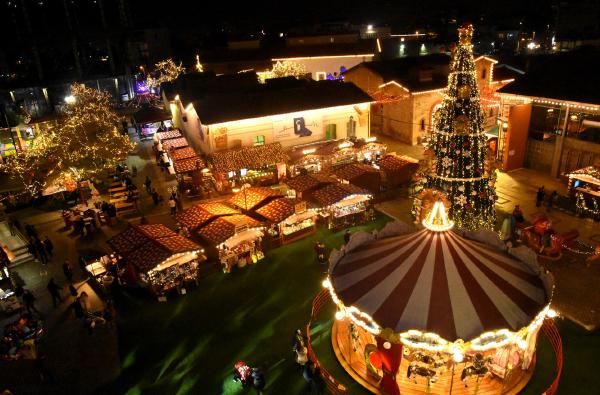
ℹ️ TL;DR: Christmas in Athens runs from the Syntagma tree lighting in late November to Epiphany on January 6. Expect a giant lit tree in Syntagma, Christmas markets, decorated Ermou Street, children singing kalanda carols door to door, honey-soaked melomakarona in every bakery, and a free New Year’s Eve concert in Syntagma with fireworks and a drone show at midnight. December weather is mild (about 14°C by day). The Acropolis and state museums are closed on December 25, 26 and January 1, so plan your sightseeing around them. Hotels are cheap until the New Year week, when prices jump. Most people picture Athens in summer: blinding sun, white marble, crowded beaches. Very few picture it with a 21-meter Christmas tree in front of the Parliament, streets strung with lights, and the smell of roasted chestnuts drifting through Monastiraki.
ℹ️ TL;DR: Autumn is the sweet spot for Athens in 2026. September (29°C highs, sea at 24-25°C) is still summer without the brutal heat. October (24°C, sea at 22°C) is the best all-round month: comfortable sightseeing, swimmable beaches, and hotel prices 20-35% below peak. November (19°C, some rain) is quiet, cheap, and perfect for museums. Book the Acropolis for early morning in September, catch a Cape Sounion sunset before the clocks change on October 25, and use the free-entry days on October 28 and November 1. Summer in Athens is loud, hot, and crowded. Winter is calm but grey some days. Autumn sits right in the middle, and a lot of people who know the city well (Athenians included) will tell you it’s the best time of the year.
ℹ️ TL;DR: Athens is one of the safest European capitals for solo female travelers in 2026, violent crime against tourists is very rare, the city center stays lively until midnight, and Greek culture is genuinely warm and social. Best base: Koukaki (quiet, well-lit, 5 minutes from the Acropolis). Budget €50-70/day. Join a food tour on Day 1 to go from solo to social instantly. I landed in Athens alone for the first time on a Tuesday evening in May. My flight was delayed, the taxi driver spoke zero English, and I had exactly one Greek phrase memorized: parakal (please). By the time I dropped my bag at the hotel in Koukaki, the neighborhood was alive, families eating dinner outside, couples walking their dogs past illuminated apartment blocks, the smell of grilled lamb drifting from a taverna two doors down.
ℹ️ TL;DR: Hydra is the most unique island day trip from Athens in 2026: 90 minutes by fast ferry from Piraeus (about €32-42 one way), and completely car-free. No cars, no motorbikes, just donkeys and water taxis. Take the 7:30-8 AM ferry, explore the stone harbor, swim from the rocks, eat fresh fish for lunch, and return by 6 PM. Overnight visitors get the island entirely to themselves after the day-trippers leave. There’s a moment, maybe twenty minutes out of Piraeus, when the cargo cranes and apartment blocks of mainland Greece fall behind and the Aegean opens up, flat and impossibly blue and stretching in every direction. That’s when the Hydra trip actually starts. Not at the dock, not when you buy the ticket, but when Athens disappears and you realize you’re heading to an island where nothing has an engine.
ℹ️ TL;DR: The best beach clubs near Athens in 2026: Astir Beach (Vouliagmeni, about €50-80/person, luxury Four Seasons quality), Balux Café (Glyfada, minimum spend, upscale casual), Island (Varkiza, €20-40, best for nightlife). Budget-friendly: Yabanaki (€5-12 entry). Tram to Glyfada takes about 45-55 min from Syntagma (€1.20). Taxi is simplest for Vouliagmeni. The Athens Riviera has a beach club scene that most visitors don’t even know exists. While everyone crowds the Plaka restaurants and Acropolis viewpoints, a 30-minute tram ride south delivers you to a coastline dotted with loungers, cocktail bars, DJ sets, and water so clear you’d think you took a wrong turn to Mykonos.
ℹ️ TL;DR: Thissio is Athens’ most scenic and calm central neighborhood in 2026, a long pedestrian promenade with direct Acropolis views, immediate access to the Ancient Agora and Filopappou Hill, and excellent sunset cafes. Served by Thissio Metro (Line 1). Best for travelers who want calm, views, and walkable ancient sites. Quieter nightlife than Psyrri, more space than Plaka. If Monastiraki feels like Athens with the volume turned all the way up, Thissio feels like the moment you step half a block away, exhale, and realize the Acropolis is still right there.
ℹ️ TL;DR: Kolonaki is Athens’ upscale neighborhood in 2026, shaded cafe squares, boutique shopping, world-class museums (Benaki Museum, Museum of Cycladic Art), and the cable car up Lycabettus Hill. It’s pricier than other neighborhoods (€€€ for most things) but more affordable than comparable upscale districts in Western Europe. Excellent for a half-day or full day even if you’re based elsewhere in Athens. Kolonaki is the part of Athens that tends to win people over slowly.
ℹ️ TL;DR: Psirri is Athens’ best nightlife and creative food district in 2026, cocktail bars, live music, street art, and tavernas that fill from 10 PM and run until 2-3 AM. Central location, 15-25 min walk to the Acropolis. The neighborhood is lively and generally safe. Best for: travelers who want bar-and-taverna energy within walking distance of the Acropolis and Monastiraki. Light sleepers: choose Koukaki instead. If Monastiraki is where Athens announces itself, Psirri is where it loosens its collar.
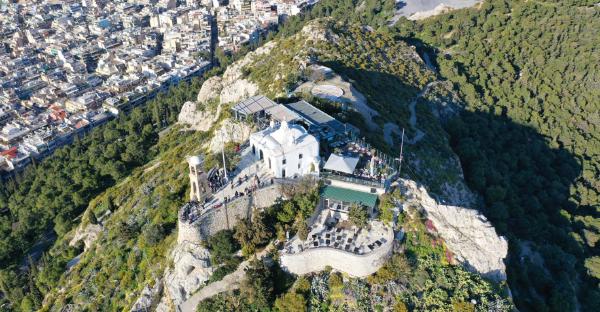
ℹ️ TL;DR: Athens is more outdoorsy than its reputation suggests in 2026. Best free activities: hike Lycabettus Hill (30 min, panoramic city views), sunset at Filopappos Hill (direct Acropolis view), and swim at Athens Riviera beaches (35 min by tram). For active paid experiences: kayaking at Cape Sounion, e-bike tours through the ancient sites, and sailing day trips to the Saronic islands. Most people think of Athens as an ancient-ruins-and-tavernas city. They’re not wrong, but they’re missing something. Athens is hemmed in by hills to the north and coastline to the south, which means you can hike to a panoramic viewpoint, swim in the Aegean, and eat souvlaki on a rooftop all in the same day, without ever needing a car.
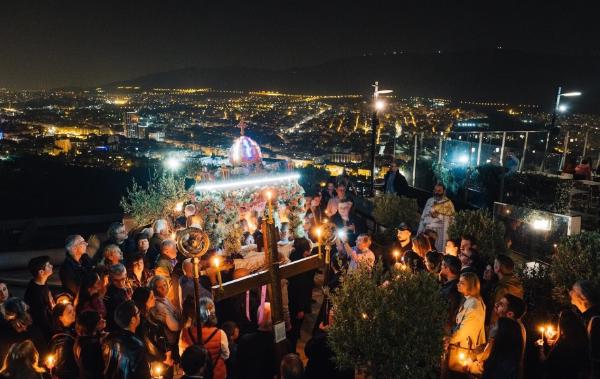
ℹ️ TL;DR: Greek Orthodox Easter 2027 falls on May 2 (Holy Week: April 25 to May 2). The two unmissable events: the Epitaphios candlelit procession on Good Friday (April 30) through Athens streets, and the midnight Resurrection service (night of May 1 to 2) which erupts in fireworks and bells. Most shops and museums close Easter Sunday. Athens is an excellent place to experience Holy Week, smaller villages add communal warmth if you can combine both. Greek Easter is not like any Easter you have experienced before. Forget chocolate eggs and Sunday brunch. This is a week-long build-up of fasting, candlelit processions through darkened streets, a midnight Resurrection service that erupts in fireworks and church bells, and then a Sunday feast centered around a whole lamb turning slowly on a spit while families gather on balconies and in parks across the city.
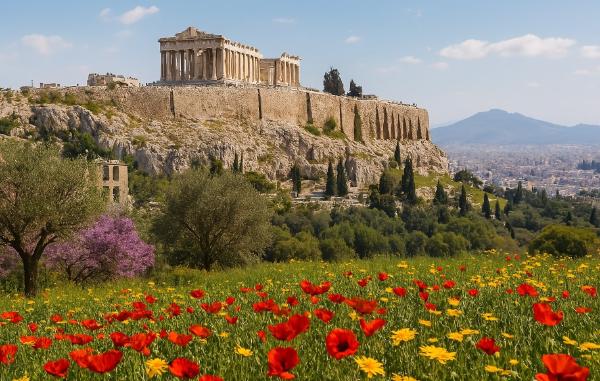
ℹ️ TL;DR: Spring (March-May) is the best time to visit Athens, mild weather (roughly 14-25°C), fewer crowds than summer, lower hotel prices, and comfortable all-day sightseeing. April and May are the sweet spot. Greek Orthodox Easter (May 2 in 2027) adds extraordinary atmosphere, the midnight Resurrection service is one of the most memorable things you can witness in Greece. Spring is when Athens stops being a destination and starts being the city everyone imagines when they close their eyes and think of Greece. The light changes. The temperature shifts from cool mornings into warm, golden afternoons. The outdoor cafes fill up, the archaeological sites empty out, and the whole city starts living outside again.
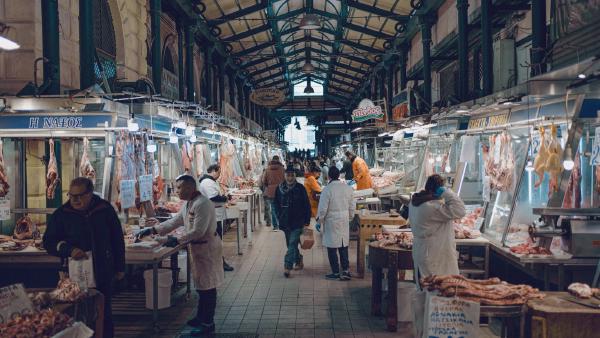
ℹ️ TL;DR: Athens has two essential markets in 2026. Varvakeios Central Market (Athinas Street, open Mon-Sat, best weekday mornings): a working wholesale food market since 1886 with meat, fish, cheese, olive oil, and spice vendors, the most authentic food experience in the city. Monastiraki Flea Market: daily for browsing, Sundays for antiques and vintage at their best. Take a food tour to navigate Varvakeios properly. The smell hits you first. Not unpleasant, more like a wall of olive oil, dried oregano, fresh fish, and raw meat all mingling together in a building that’s been doing exactly this since 1886. That’s Varvakeios, Athens’ Central Market, and walking through it for the first time made me realize how disconnected I’d become from where food actually comes from.