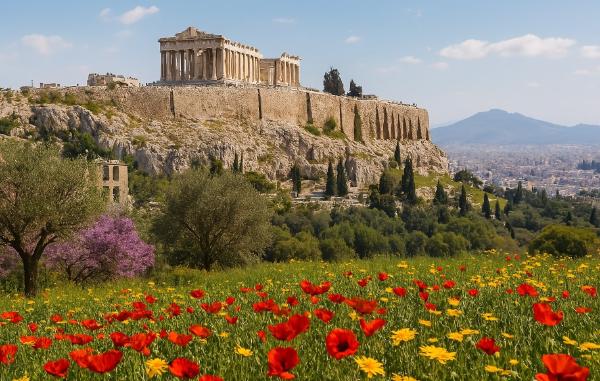
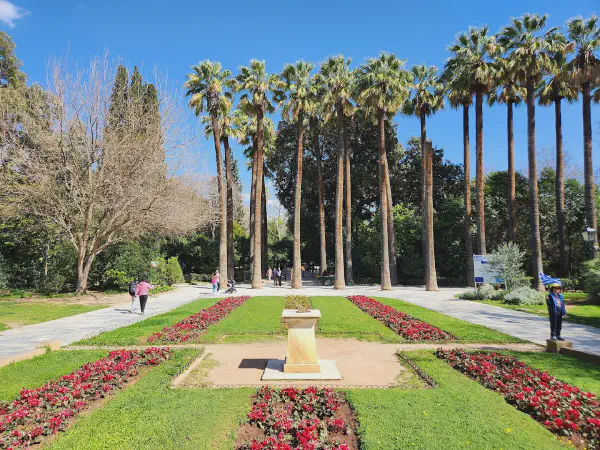
ℹ️ TL;DR: Spring (March-May) is the best time to visit Athens in 2026 — mild weather (14-28°C), fewer crowds than summer, lower hotel prices, and comfortable all-day sightseeing. April and May are the sweet spot. Greek Orthodox Easter (April 12, 2026) adds extraordinary atmosphere — the midnight Resurrection service is one of the most memorable things you can witness in Greece. Spring is when Athens stops being a destination and starts being the city everyone imagines when they close their eyes and think of Greece. The light changes. The temperature shifts from cool mornings into warm, golden afternoons. The outdoor cafes fill up, the archaeological sites empty out, and the whole city starts living outside again.
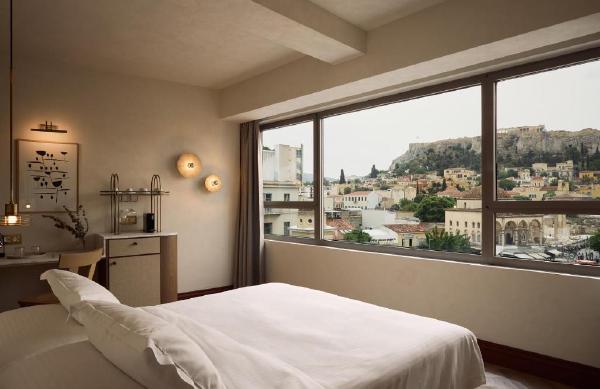
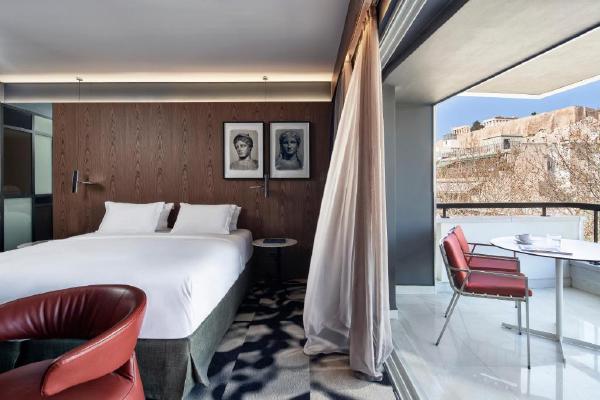
ℹ️ TL;DR: The best boutique hotels in Athens in 2026 range from €90-130/night in shoulder season to €200+ in peak summer. Top picks: AthensWas Design Hotel (Makrigianni, direct Acropolis views), A for Athens (Monastiraki, rooftop bar with the iconic view), Ergon House (Monastiraki, food-forward hotel with market below), Perianth (Monastiraki, design-led). Plaka and Makrigianni have the most charming boutique options. Big chain hotels make practical sense in Athens. Boutique hotels make emotional sense.
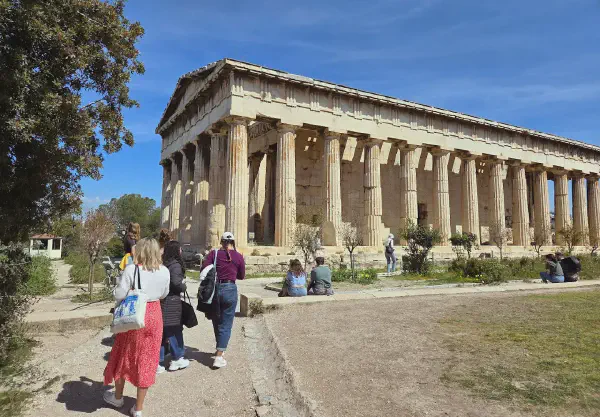
The Ancient Agora is the part of Athens that tends to surprise people. Everyone arrives obsessed with the Acropolis, and fair enough, but the Agora is where the city starts to feel human instead of monumental. This is where Athenians traded, argued, voted, gossiped, worshipped, and tried to invent democracy while wearing sandals.
And unlike some archaeological sites that demand a lot of imagination, this one still gives you real architectural payoff: the Temple of Hephaestus is stunningly intact, the Stoa of Attalos has been reconstructed with unusual confidence, and the museum inside helps the whole place make sense.
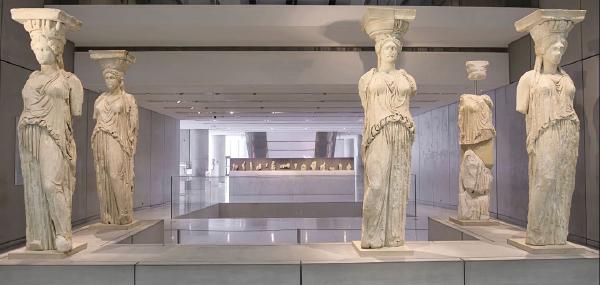
The first time I walked into the Acropolis Museum, I expected the usual museum experience — dimly lit rooms, roped-off displays, lots of squinting at tiny plaques. What I got instead was sunlight pouring through floor-to-ceiling glass, the actual Parthenon framed perfectly through the top-floor windows, and a 2,500-year-old marble girl smiling at me like she knew something I didn’t.
This museum doesn’t feel like a museum. It feels like someone cracked open the Acropolis and let you walk through its history in running shoes and air conditioning.
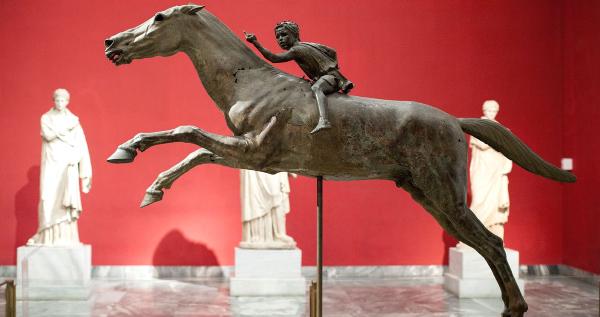
There’s a moment in the National Archaeological Museum when you turn a corner and come face to face with a bronze god hauled from the sea floor — arm cocked, muscles taut, frozen mid-throw for over two thousand years. The Artemision Bronze. It stops you in place. No photo prepares you for the sheer physical presence of it.
This museum doesn’t get the foot traffic of the Acropolis Museum, and honestly, that’s part of its charm. It’s quieter, deeper, and covers a staggering 7,000 years of Greek civilization — from Neolithic clay figurines to Roman portrait busts. If the Acropolis Museum is the greatest-hits album, this is the complete discography, B-sides and all.
ℹ️ TL;DR: Athens is one of Europe’s best cities for solo travel in 2026 — safe, social, affordable, and endlessly walkable alone. Budget solo travelers can manage on €50-60/day. The best base is Koukaki or a central hostel in Monastiraki (dorms from €20/night). Join a food tour on your first day to meet other travelers instantly — you will not eat alone again for the rest of your trip. Athens is one of those cities that works brilliantly for solo travelers. The neighborhoods are walkable. The food is cheap and delicious. The locals are warm (sometimes aggressively so — you will be waved into restaurants). Public transport is reliable. And the city is safe enough that you can wander at midnight without thinking twice.
ℹ️ TL;DR: The best Athens hotels with Acropolis views in 2026: AthensWas Design Hotel (direct view, from €160), Electra Palace Athens (rooftop pool, from €180), Herodion Hotel (best value, from €130). Budget option: Acropolis View Hotel (from €80-130). The Makrigianni neighborhood south of the Acropolis has the most direct views. Always request a view-facing room explicitly when booking. I’ll be honest: an Acropolis view from your hotel room is one of those things that sounds like a tourist gimmick until you actually experience it. Then you’re standing on your balcony at sunset, the Parthenon turns golden, and you realize this is why people come to Athens.
ℹ️ TL;DR: Athens’ historic center is walkable in a 6 km self-guided tour in 2026 — covering Syntagma Square, the Acropolis, Plaka, Monastiraki flea market, Ancient Agora, and Areopagus Hill. Budget 5-7 hours for the full route. The Acropolis entry costs €20-30 (combo ticket); everything else on the route is free. Start at Syntagma at 8 AM to beat crowds at the Acropolis. You don’t need a guide to see Athens. The city’s historic center is compact, walkable, and follows a natural route that connects the major sites in a logical loop. With a good map and some context about what you’re looking at, you can cover the best of Athens in a single day on foot — at your own pace, on your own schedule, stopping where you want and skipping what doesn’t interest you.
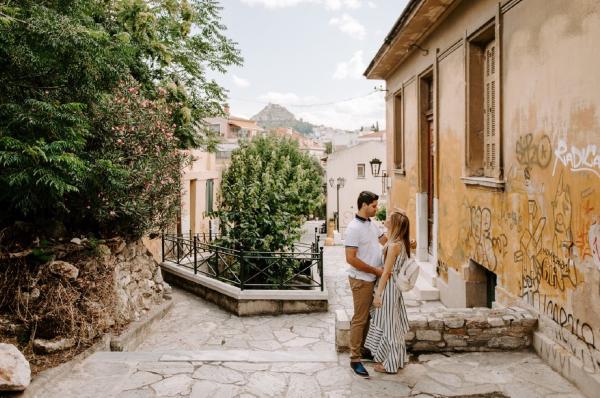
ℹ️ TL;DR: Athens is one of Europe’s most underrated romantic destinations in 2026. Best experiences for couples: sunset sailing cruise (€75/person, dinner and wine included, 4 hours), rooftop dinner with Acropolis views at A for Athens or Couleur Locale (cocktails from €12), and an evening walk through Anafiotika village. Combining Athens with a Greek island makes for an exceptional honeymoon itinerary. Athens doesn’t usually top the “romantic getaway” lists. Paris gets the love locks. Santorini gets the sunset proposals. But Athens? Athens is where romance sneaks up on you — over a candlelit dinner where the Parthenon is glowing right above your table, on a sailboat watching the sun melt into the Aegean, or walking through a hidden neighborhood that feels like your own private discovery.
ℹ️ TL;DR: Athens has 25+ genuinely free experiences in 2026 — from the Acropolis on free Sundays (first Sunday of each month, November-March) to the iconic Areopagus Hill sunset, Anafiotika neighborhood, and Central Market. The Benaki Museum is free every Thursday. Budget travelers can fill 2-3 full days in Athens spending virtually nothing on sightseeing. Athens has a dirty secret that the tour companies don’t want you to know: some of the best experiences in the city are completely free.
ℹ️ TL;DR: The two essential Athens museums in 2026: the Acropolis Museum (€15, 1.5-2 hours) and the National Archaeological Museum (€12, 2-3 hours) — both genuinely world-class. The Benaki Museum (€12, free Thursdays) is the best third option. There is no single city museum pass — buy individual tickets. Most state museums are free on the first Sunday of each month (November-March). Athens has over 80 museums. Nobody has time for 80 museums. The good news is that about a dozen of them are genuinely excellent, and the rest range from “interesting if you’re into this specific thing” to “why does this exist.”
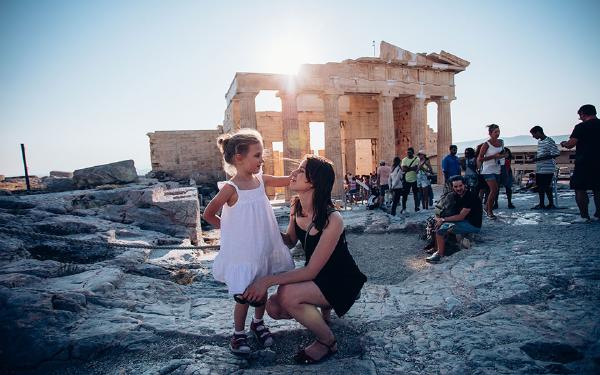
ℹ️ TL;DR: Athens is genuinely great for families in 2026 — the Acropolis (€30 combo ticket) becomes a mythology adventure with the right guide, the Acropolis Museum (€15, free for under-18s) has elevators and engaging exhibits, and Athenian Riviera beaches are a 30-minute tram ride away. Beat the heat with the golden rule: ancient sites at 8 AM, museums at midday, beach in the afternoon. When I first mentioned taking kids to Athens, a friend looked at me like I’d suggested bringing toddlers to a construction site. “Isn’t it just ruins and hills? In the heat? With no playgrounds?”