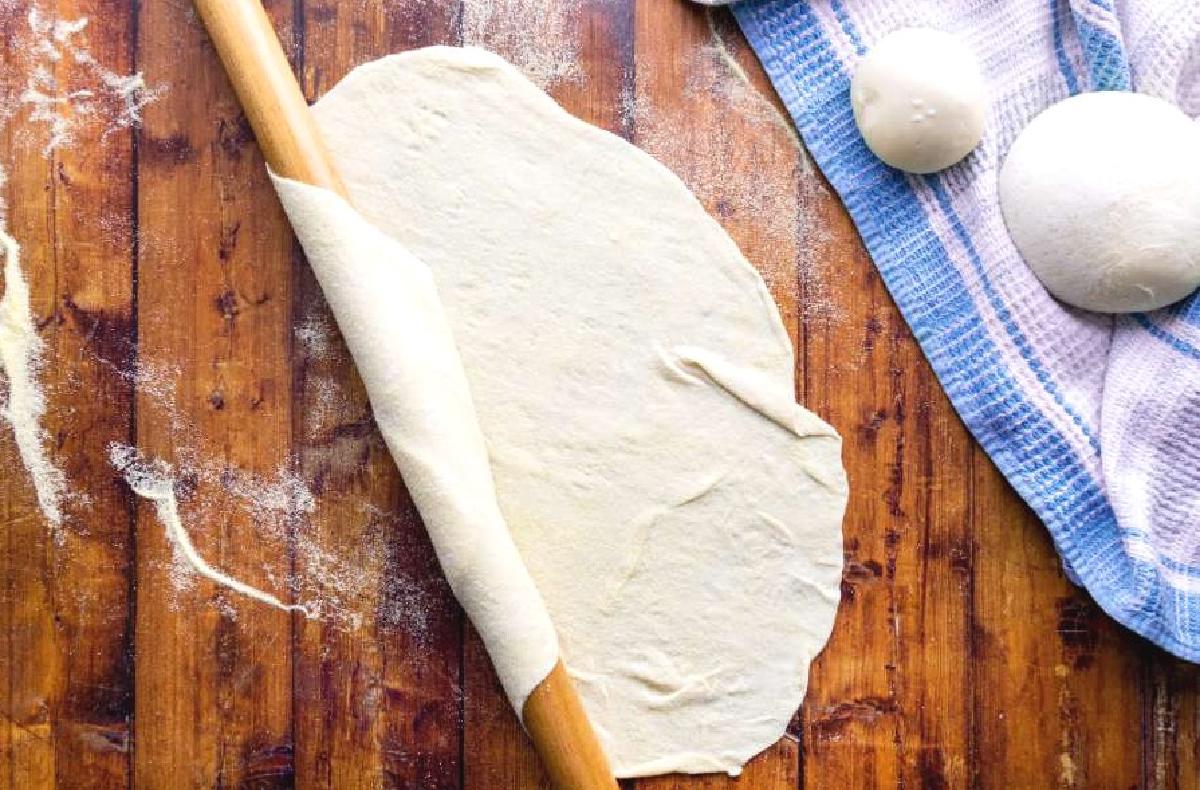
There’s a moment in every Athens cooking class when it clicks. You’re standing in a small kitchen somewhere in the old city, flour on your hands, a sheet of phyllo dough stretched so thin you can read a newspaper through it, and the chef-instructor says: “See? Your grandmother would be proud.” Even if your grandmother never made phyllo in her life, you believe it.
I’ve eaten my way through Athens more times than I care to admit, but learning to cook Greek food changed how I experience the city entirely. You stop seeing restaurants as places to eat and start seeing them as places to compare notes. “Their moussaka uses nutmeg — mine didn’t.” “That tzatziki has more garlic than the recipe we learned.” It ruins you in the best possible way.
Here are the best cooking classes in Athens for 2026 — from market-to-table marathons to intimate sessions in a Greek family’s kitchen.
Quick Comparison#
| Class Style | Duration | Group Size | Price | Best For |
|---|---|---|---|---|
| Market-to-Table | 5-6 hours | 8-12 | €85-110 | Full immersion |
| Family Home Kitchen | 4-5 hours | 4-8 | €90-120 | Authentic atmosphere |
| Chef-Led Studio | 3-4 hours | 6-14 | €75-95 | Polished experience |
| Morning Pastry Class | 2-3 hours | 6-10 | €55-70 | Short & sweet |
| Private Class | 4-5 hours | 2-6 | €140-200 | Couples, custom menus |
My Top Pick: Market-to-Table Cooking Experience#
Athens: Food Market Visit and Cooking Class with Wine
Discover the flavors of Greece through this cooking class with a market visit. Start the day with a trip to the market and, at the end of the lesson, enjoy the food you have prepared along with wine.
Also on Viator: Book a cooking class on Viator →
1. Market-to-Table Cooking Class (Best Overall)#
This is the one I recommend to almost everyone, and the reason is simple: it starts at the source.
You meet your chef-instructor at the Athens Central Market — Varvakios Agora — early enough that the fishmongers are still shouting and the produce stalls are piled high with things you didn’t know existed. You’ll pick out vegetables, cheese, herbs, and olive oil together, and the chef will teach you how to tell good feta from tourist feta (yes, there’s a difference, and it matters).
Then you walk to the kitchen — usually a short stroll through Monastiraki or Psyrri — and spend the next three to four hours cooking a full meal.
What you’ll typically make:
- Classic moussaka with béchamel from scratch
- Handmade tzatziki (you’ll never buy the jar stuff again)
- Spanakopita with hand-stretched phyllo
- Greek salad with the ingredients you just bought
- Loukoumades or galaktoboureko for dessert
Why this is the best option: The market visit isn’t a gimmick — it fundamentally changes the class. When you hand-selected the tomatoes yourself and watched the cheese vendor cut your feta from the block, the cooking feels personal. You understand why Greek food tastes different here than at home.
Athens Market Tour & Greek Cooking Class
Full market-to-table experience in central Athens. Visit the local market, learn to cook 4+ traditional dishes, and enjoy your meal with wine. Small groups, English-speaking chefs.
Also on Viator: Book a market cooking class on Viator →
2. Family Home Cooking Experience (Most Authentic)#
If market-to-table classes give you the technique, family home classes give you the soul.
These are hosted in actual Athenian homes — usually by a Greek cook (often a grandmother or a family duo) who learned from their parents, who learned from theirs. The kitchen might be small. The dining table might wobble. The wine might come from a bottle with a handwritten label. This is exactly the point.
You won’t find these experiences in a glossy cooking school brochure. They’re intimate, slightly chaotic, and deeply personal. You’ll hear stories about food traditions, regional variations (“In Crete, they do it this way, but we’re Athenians, so we do it right”), and family recipes that have never been written down.
What makes it different:
- Recipes you can’t Google — passed down orally through generations
- Smaller groups (usually 4-8 people), more personal attention
- You cook in a real home kitchen, not a studio
- The host eats with you, which changes the whole dynamic
- Often includes family wine or homemade liqueur
Best for: Travelers who want connection over polish. Solo travelers especially love these — the small group and home setting make it easy to bond with fellow guests.
Greek Home Cooking Class in Athens
Cook in a local family’s home in central Athens. Learn 3-4 traditional recipes, hear the stories behind the dishes, and share a meal with your hosts. Wine and coffee included.
Also on Viator: Book a home cooking class on Viator →
3. Chef-Led Studio Class (Most Polished)#
Not everyone wants flour-dusted authenticity. Some people want a professional kitchen, a proper chef, and an experience that feels more like a cooking show than a family gathering. No judgment — these classes are excellent.
Chef-led studio classes happen in purpose-built kitchens with individual cooking stations, good lighting, and professional-grade equipment. The chefs often have restaurant backgrounds and bring a mix of traditional technique and modern presentation.
What you’ll learn:
- Proper knife skills (Greek style, which is surprisingly different)
- Multiple dishes cooked simultaneously — how Greeks actually prep a meal
- Plating and presentation (your moussaka will look Instagram-worthy)
- Wine pairing basics with Greek varieties
- Modern twists on classic dishes
Pros:
- Air-conditioned kitchen (this matters in July)
- Individual stations mean you actually cook, not just watch
- More structured timeline — starts and ends on schedule
- Often in central Athens locations, easy to reach
Cons:
- Less personal than home classes
- Slightly larger groups (up to 14)
- The “studio” feel can dilute the Greek atmosphere
Professional Greek Cooking Class Athens
Discover the secrets of Greek cuisine with a hands-on cooking class in Athens. Prepare a delicious 3-course meal and learn how to recreate each dish at home with a copy of all recipes.
Also on Viator: Book a chef-led class on Viator →
4. Morning Pastry & Pie Class (Best Short Option)#
Not everyone has five hours to spend in a kitchen. If you’ve got a packed Athens itinerary but still want to learn something you’ll actually make at home, a pastry and pie class is the move.
These shorter classes focus on the things Greeks do better than anyone: phyllo-based pies and pastries. You’ll learn to make spanakopita, tiropita, and maybe a sweet like bougatsa or portokalopita (orange cake). The phyllo work alone is worth the price — it’s a skill that takes Greeks years to master, and you’ll get a solid start in two hours.
What you’ll make:
- Spanakopita (spinach and feta pie)
- Tiropita (cheese pie — deceptively simple, deceptively good)
- Bougatsa or galaktoboureko (custard pastry)
- Greek coffee preparation
Best for: Morning people, families with older kids, travelers on a tight schedule, anyone who’s ever tried to make phyllo at home and wanted to throw things.
Traditional Greek Pastry Workshop
Discover traditional Greek sweets and learn how to prepare them in a workshop. Mix and bake your desserts and feel like a real pastry chef. Taste it with a cup of Greek coffee.
Also on Viator: Book a pastry class on Viator →
5. Private Cooking Class (Best for Couples & Special Occasions)#
A private class costs more, but it’s a fundamentally different experience. The chef tailors the menu to your interests (or dietary needs), the pace is yours, and you get undivided attention on technique.
For couples, it’s honestly one of the best things you can do in Athens. Cooking together, drinking wine someone just poured for you, sitting down to eat what you made — it beats a candlelit dinner at a restaurant. I’ve seen more than one couple book a private class after getting engaged. It works.
What you get:
- Custom menu (vegetarian, vegan, seafood-focused — your call)
- Just you and the chef (or your group up to 6)
- Flexible timing
- Often includes premium ingredients and wine
- Some chefs offer rooftop or garden settings
Perfect for: Couples celebrating something, families who want kid-friendly pacing, dietary restrictions that don’t fit group menus, anyone who simply wants the full attention of a Greek chef for a few hours.
Greek Cooking Class & Dinner on a Rooftop
Discover the secret to making authentic Greek food at a cooking class in Athens. Make traditional pies, a Greek island-inspired salad, and more, and savor dinner with a view at the end of the lesson. Perfect for couples, families, and small groups.
Also on Viator: Book a private class on Viator →
What Dishes Will You Learn to Cook?#
Almost every cooking class in Athens covers some variation of these core dishes:
Appetizers & Meze:
- Tzatziki — yogurt, cucumber, garlic, olive oil. Sounds simple. It’s not. The ratio is everything.
- Melitzanosalata — smoky eggplant dip that might convert you from hummus.
- Dolmadakia — stuffed vine leaves. Tedious to roll, incredible to eat.
Main Courses:
- Moussaka — layers of eggplant, potato, meat sauce, and béchamel. The national comfort food.
- Pastitsio — basically Greek lasagna with tubular pasta and a thick béchamel crust.
- Gemista — tomatoes and peppers stuffed with herbed rice. Summer in a dish.
Pies & Pastry:
- Spanakopita — the phyllo pie you’ve eaten a hundred times, but never made properly.
- Tiropita — cheese pie. Three ingredients, absurd flavor.
Desserts:
- Loukoumades — fried dough balls with honey. You will eat too many.
- Galaktoboureko — custard wrapped in phyllo and soaked in syrup. Life-changing.
- Portokalopita — orange and phyllo cake. Sounds weird, tastes extraordinary.
Which Class Style Suits You?#
Choose market-to-table if: You want the complete experience and have 5+ hours. Best for foodies and anyone who loves markets.
Choose a family home class if: You value connection and stories over polish. You’re traveling solo or want something intimate.
Choose a chef-led studio if: You want structure, air conditioning, and a polished experience. Great for first-timers or anyone who prefers professional settings.
Choose a pastry class if: You’re short on time but still want hands-on skills. Perfect morning activity.
Choose a private class if: You’re celebrating, have dietary needs, or just want one-on-one attention. Worth the premium for couples.
Booking Tips That’ll Save You Headaches#
Book early in peak season. June through September, the best cooking classes fill up 2-4 weeks in advance. Family home classes with small groups sell out fastest. Don’t assume you’ll find availability the day before — you probably won’t.
Check the cancellation policy. Most classes on GetYourGuide and Viator offer free cancellation up to 24 hours before. A few small operators require 48-72 hours. Read the fine print.
Morning beats afternoon. Better market experience, cooler kitchen, and you eat your creations as lunch instead of an awkward 4 PM meal. Every local I’ve talked to agrees on this.
Tell them about allergies and dietary needs. Greek cooking is naturally accommodating — plenty of vegetarian meze, olive oil instead of butter — but chefs need advance notice to adjust the menu. Don’t surprise them on the day.
Wear comfortable shoes for market classes. You’ll walk for 30-60 minutes on uneven market floors before you ever pick up a knife.
FAQ#
How much does a cooking class in Athens cost?#
Expect to pay €55-120 per person for a group class, depending on duration and style. Market-to-table classes (5-6 hours) run €85-110. Shorter pastry classes start around €55. Private classes for two cost €140-200 per person. All prices typically include ingredients, wine, the meal you cook, and recipes to take home.
Do I need cooking experience to take a class?#
Not at all. Every class I’ve seen caters to complete beginners. The chefs walk you through everything step by step — they’ve taught people who’ve never boiled water. That said, experienced cooks won’t be bored either. The techniques are different enough from what you’d learn in a Western kitchen that there’s always something new.
Can cooking classes accommodate dietary restrictions?#
Yes, most can — with advance notice. Greek cuisine is naturally strong on vegetarian options (spanakopita, gemista, horta, imam bayildi). Vegan adjustments are usually straightforward too. Gluten-free is trickier since phyllo is central to many dishes, but good chefs will substitute. Always mention restrictions when booking, not on the day.
What should I wear to a cooking class in Athens?#
Comfortable, casual clothes you don’t mind getting a bit messy. Closed-toe shoes are smart, especially for market-to-table classes where you’ll walk through the Central Market. Avoid anything billowy that could catch on stove handles. Most classes provide aprons.
Are cooking classes in Athens suitable for children?#
Most group classes accept children aged 8 and up, though some set the minimum at 12. Private classes are the best option for younger kids — the chef can adjust the pace and complexity. Pastry classes tend to be the most kid-friendly since rolling dough and shaping pies is hands-on fun.
How far in advance should I book a cooking class?#
In summer (June-September): 2-4 weeks ahead for group classes, 3-4 weeks for private or family home classes. In spring/fall: 1-2 weeks is usually fine. In winter: a few days ahead works, though weekends still fill up. Greek Easter week books out very early regardless of class type.
Do I get recipes to take home?#
Yes — virtually every cooking class in Athens provides written recipes for everything you make. Some email a PDF afterward, others give you a printed booklet. A few higher-end classes include access to an online recipe library. The recipes are genuinely usable at home, though sourcing Greek-quality olive oil and feta outside Greece is its own challenge.
Is a cooking class worth it if I’m already doing a food tour?#
Absolutely — they’re complementary, not redundant. A food tour shows you where to eat and what to try. A cooking class teaches you how and why. The food tour is Athens eating; the cooking class is Athens cooking. Do both if your schedule allows — the food tour first, so you have context for the ingredients you’ll use in class.
The Bottom Line#
A cooking class in Athens isn’t just a nice activity to fill a morning — it’s the kind of experience that follows you home. You’ll find yourself making tzatziki on a Tuesday night, stretching phyllo for spanakopita when friends come over, and explaining to anyone who’ll listen why Greek olive oil is different.
The market-to-table class is the best all-around choice — it’s the most complete experience and gives you both the cultural immersion and the technique. But if you’re short on time, a morning pastry class packs real skills into two hours. And if you’re traveling as a couple, a private class might be the most memorable thing you do in Athens.
Whatever you choose, book early. The good ones fill up.
More Athens food experiences:
- Best Athens Food Tours — guided tasting walks through the city
- Athens Food Markets Guide — where locals actually shop
- Athens Wine Tasting Tours — Greek wine beyond retsina
- Best Restaurants in Plaka — where to eat near the Acropolis
- Things to Do in Athens — the complete activity guide