Let me start with the good news: Athens is one of the safest major tourist cities in Europe. Violent crime against visitors is extremely rare. The scam scene here is tame compared to Rome, Paris, or Barcelona. Most visitors come and go without a single problem.
But problems do exist — overpriced meals at restaurants that look normal, taxi drivers taking creative routes, and a few recurring tricks that separate tourists from their money. None of them are dangerous. All of them are avoidable once you know what to look for.
Here are the scams and tourist traps in Athens that actually happen, how to spot them, and how to avoid wasting your money.
Restaurant Tourist Traps#
This is by far the most common way tourists get overcharged in Athens. Not through crime — through bad restaurant choices.
The Adrianou Street Trap#
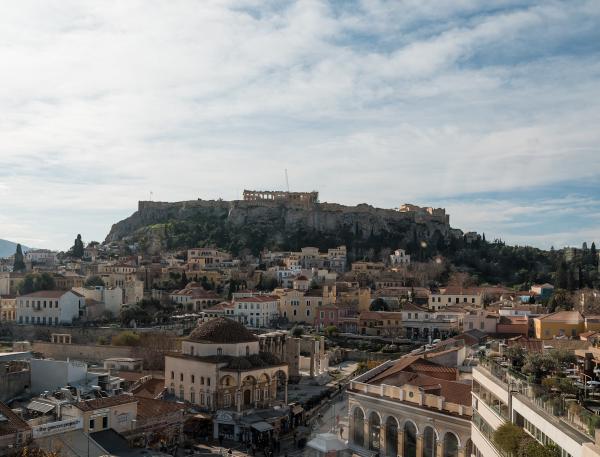
What happens: You walk down Adrianou Street in Plaka — the main tourist strip below the Acropolis — and every restaurant has a host outside trying to seat you. The tables look inviting, the Acropolis views are great, the menus have pictures. You sit down, order, and get a mediocre meal at inflated prices. A Greek salad that should cost €7-9 costs €14. A plate of grilled fish that should be €15 is €28.
Why it works: These restaurants survive entirely on foot traffic. They don’t need repeat customers or good reviews. They need the next tourist walking by.
How to avoid it:
- Walk one street back from Adrianou. Literally one block away, you’ll find restaurants where locals eat, prices drop 30-50%, and the food is dramatically better.
- Check Google reviews before sitting down. Anything below 4.2 stars in a tourist area is a warning sign.
- Avoid restaurants where someone is aggressively trying to seat you. Good restaurants in Athens don’t need to pull you off the street.
- No menu with pictures at the entrance. Picture menus are almost always a sign of a tourist-oriented restaurant.
The “We Don’t Have a Menu” Restaurant#
What happens: You sit down at a taverna and the waiter doesn’t bring a menu. Instead, they describe the dishes verbally (or bring you to the kitchen to show you). The food arrives, it’s fine, and then the bill is significantly higher than you expected — because without a menu, you had no way to check prices.
How to avoid it: Always ask to see a menu with prices before ordering. This is required by Greek law. If they refuse or say they don’t have one, leave. Legitimate tavernas that do the “come see the kitchen” thing will still show you prices if you ask.
The Bread and Cover Charge#
What happens: Bread, butter, and sometimes olives or small dips arrive at your table before you order. You assume they’re complimentary. They’re not — there’s a €1-3 “cover charge” (κουβέρ) per person that appears on your bill.
The truth: This isn’t really a scam — it’s standard practice in Greek restaurants and has been for decades. But tourists are often surprised by it.
What to do: If you don’t want the bread, tell the waiter immediately and they’ll take it back (and shouldn’t charge you). Otherwise, just know it’s coming on the bill. It’s usually €1-2 per person — annoying but not expensive.
Taxi Scams#
Athens taxis are generally fine, but a few tricks persist — especially from the airport and train stations.
The Broken Meter#
What happens: You get in a taxi and the driver doesn’t start the meter, or claims it’s broken. At the end of the ride, they quote a price significantly above what the metered fare would be.
How to avoid it:
- Always check that the meter is running when you get in. If it’s not, ask them to start it. If they refuse, get out.
- Know the rough prices: Airport to city center should be a flat €40 (this is a regulated fixed fare). Trips within the center are €5-10.
- Use the BEAT app (the Greek Uber equivalent). It shows an estimate upfront and payment is handled through the app.
The Long Route#
What happens: The driver takes an unnecessarily long route — especially from the airport or to hotels in areas tourists don’t know well.
How to avoid it:
- Open Google Maps on your phone and follow the route. Most drivers will take the most direct path if they see you tracking.
- From the airport: The highway route is straightforward. If the driver exits the highway early or takes surface streets, politely ask them to stay on the main road.
The “No Change” Trick#
What happens: You hand the driver a €20 or €50 note. They claim they don’t have change and try to keep the difference, or they quickly swap your €50 for a €5 note and claim you only gave them €5.
How to avoid it:
- Carry small bills (€5s, €10s) for taxi rides.
- State the denomination out loud when you hand it over: “Here’s a twenty.”
- Use the BEAT app for cashless payment.
Pickpocketing#
Athens has less pickpocketing than Rome, Barcelona, or Paris — but it exists.
Where It Happens#
- Metro Line 1 (the green line, especially between Piraeus and Monastiraki) — the most common location
- Monastiraki Square — crowded, especially on weekends
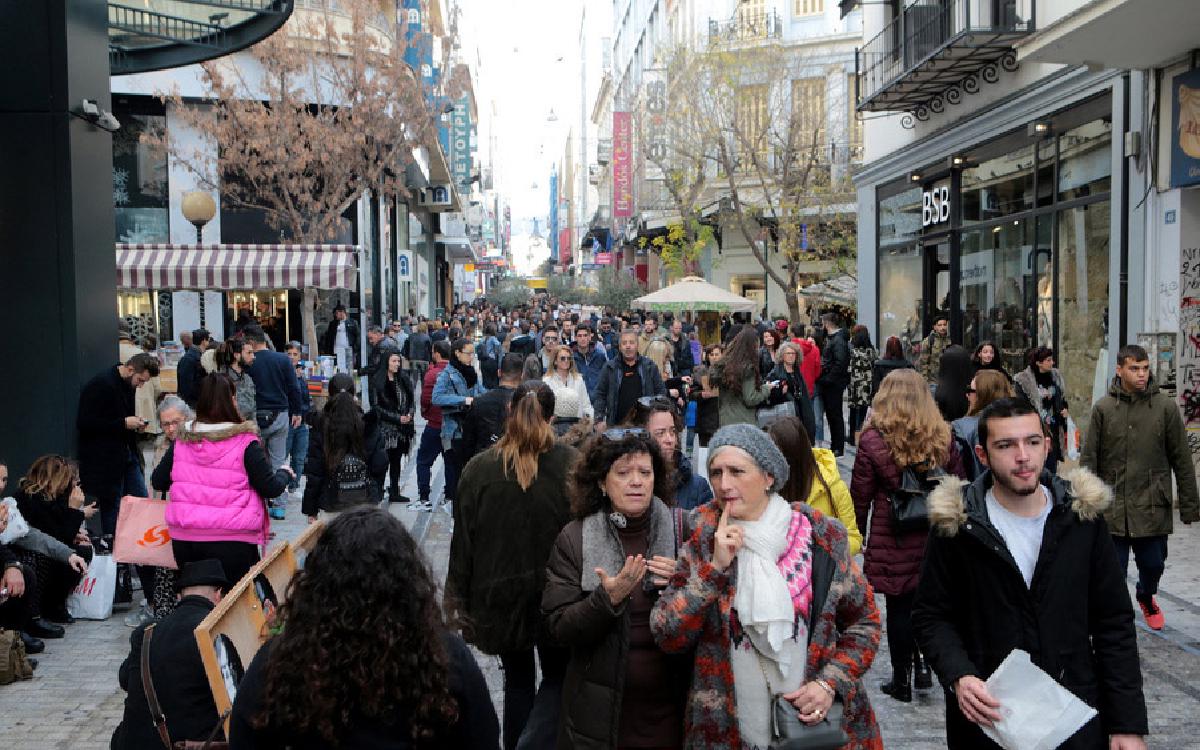
- Ermou Street — the main shopping street, gets packed
- Flea market on Sundays — crowds make easy cover
How to Protect Yourself#
- Front pockets only. Back pockets are an invitation.
- Crossbody bag, worn in front. Not hanging behind you.
- Don’t keep your phone in your back pocket — this is the most commonly stolen item.
- Be alert on the metro. If someone bumps you or creates a commotion in a crowded car, check your pockets immediately.
- Leave valuables in the hotel safe. You don’t need your passport to visit the Acropolis.
For extra security, especially in crowded areas:
- A money belt keeps cash and cards hidden under your clothes
- An anti-theft crossbody bag has slash-proof straps and RFID blocking
Reality check: Most visitors to Athens will never experience pickpocketing. Basic awareness — the same you’d use in any city — is sufficient.
Street Scams#
These are less common in Athens than in many European cities, but they do happen.
The Friendship Bracelet#
What happens: Someone approaches you on a tourist street and ties a “friendship bracelet” on your wrist before you can react. Then they demand payment — usually €5-10. If you try to remove it, they get aggressive or guilt-trip you.
How to avoid it: Keep your hands in your pockets or clearly wave them off with a firm “No, thank you” (or “Ochi, efcharisto” in Greek). Don’t let anyone put anything on your wrist. If they manage to, simply remove it and walk away. You owe them nothing.
The Petition / Charity Clipboard#
What happens: Someone approaches with a clipboard asking you to sign a “petition” — usually claiming to support deaf or disabled people. After you sign, they ask for a donation. Sometimes while you’re distracted signing, an accomplice picks your pocket.
How to avoid it: Don’t engage. A polite “no” and keep walking. Legitimate charities in Greece don’t operate through clipboard-wielding people on tourist streets.
The Rose Seller#
What happens: A seller approaches couples at restaurant tables and hands a rose to the woman. Then demands €5-10 from the man. It’s awkward, slightly aggressive, and designed to embarrass you into paying.
How to avoid it: A clear “no thank you” before they hand it over. If they put it on your table, you can simply hand it back. You don’t owe them anything.
The “Free” Tour That Isn’t#
What happens: Someone offers you a “free” guided tour near a major site. The tour happens, and at the end they demand a substantial “tip” — sometimes aggressively. Or the tour is just a vehicle to bring you to specific shops where the guide earns a commission.
How to avoid it: Legitimate free walking tours in Athens exist and are genuinely tip-based (tip what you want, including nothing). They’re organized through well-known platforms and have online reviews. Random people near the Acropolis offering “free tours” are not the same thing.
Shopping Traps#
Overpriced Souvenirs on Tourist Streets#
What happens: Shops on Adrianou Street, around Monastiraki Square, and on the edges of Plaka sell mass-produced souvenirs — magnets, keychains, “olive wood” products, and “Greek” t-shirts — at inflated prices. The same items are available in the Central Market or on side streets for 30-50% less.
How to avoid it:
- Buy olive oil, honey, and spices at the Central Market or Evripidou Street — local prices, better quality
- Buy leather goods directly from makers like Melissinos rather than tourist shops
- If it says “Made in Greece” and costs €2, it probably isn’t
See our shopping guide for where to buy quality products.
The “Genuine Antique” at the Flea Market#
What happens: Vendors at the Monastiraki flea market (especially the Sunday market) sell items described as “antique” or “vintage” that are actually mass-produced reproductions. Old-looking coins, “ancient” pottery fragments, vintage-style jewelry.
How to avoid it: Assume it’s not antique unless you’re an expert. Enjoy the flea market for the atmosphere and the genuine vintage finds (which do exist), but don’t pay antique prices without expertise.
ATM & Money Traps#
Dynamic Currency Conversion (DCC)#
What happens: When you pay by card or withdraw from an ATM, the machine asks if you want to pay in your home currency instead of euros. This seems helpful. It’s actually a trap — the exchange rate used is terrible, and you pay 3-8% more than you would by choosing euros.
How to avoid it: Always choose euros (or “continue without conversion”). This is the single most common way tourists lose money abroad, and it happens at every ATM and many card terminals. Always refuse conversion to your home currency.
ATMs With High Fees#
What happens: ATMs operated by Euronet (yellow machines found near tourist areas) charge significantly higher fees than bank ATMs.
How to avoid it: Use ATMs attached to actual banks — Alpha Bank, Piraeus Bank, National Bank of Greece, Eurobank. They’re everywhere and charge standard fees.
How to Handle Problems#
If something does go wrong:
Tourist Police: Call 1571 (English-speaking operators). This is a dedicated helpline for tourists experiencing problems in Greece. They handle complaints about taxi overcharging, restaurant scams, and theft reports.
Regular Police: 100 for emergencies.
Credit card theft: Call your bank immediately to freeze the card. Most hotels can help you contact your bank.
Passport lost/stolen: Contact your embassy. The US Embassy is on Vassilissis Sofias Avenue; the UK Embassy is on Ploutarchou Street. Both are in the center.
Taxi complaint: Note the taxi number (displayed on the outside and dashboard). Report to the Tourist Police with the number and details.
The Honest Perspective#
I want to be clear about something: this article makes Athens sound more dangerous than it is. I listed every scam I could find because that’s what you searched for — but the reality is that Athens is a very safe, very honest city.
The “scams” here are mostly just overpriced restaurants and occasional taxi games. Compare that to the aggressive pickpocket rings in Barcelona, the elaborate card tricks in Paris, or the fake-petition gangs in Rome, and Athens looks tame. Most visitors have zero problems.
The things most likely to cost you money in Athens aren’t scams — they’re choices:
- Eating on Adrianou Street instead of one block away
- Taking a taxi instead of the metro
- Buying souvenirs in Plaka instead of the Central Market
- Choosing euros conversion at an ATM without thinking
Avoid those four things and you’ve eliminated 90% of the “tourist tax” in Athens.
Frequently Asked Questions#
Is Athens safe for tourists?#
Very safe. Athens ranks among the safest major tourist cities in Europe. Violent crime against tourists is extremely rare. Petty crime (pickpocketing, restaurant overcharging) exists but is less common than in Rome, Barcelona, or Paris. Normal city awareness is sufficient.
See our detailed safety guide for more.
Are taxi drivers in Athens honest?#
Most are. The vast majority of rides go smoothly. The small percentage who try tricks tend to operate at the airport and train stations. Using the BEAT app eliminates virtually all taxi issues — you see the route, the estimated price, and pay through the app.
Is it safe to walk around Athens at night?#
Yes, the main tourist areas (Plaka, Monastiraki, Psyrri, Syntagma, Koukaki, Thissio) are safe and well-populated at night. Greeks eat dinner at 10 PM and go out even later — streets are lively until very late. Use normal awareness and avoid dark, empty streets you don’t know.
Should I carry cash or cards in Athens?#
Both. Most restaurants and shops accept cards, but some small shops, bakeries, kiosks, and taxis prefer cash. Carry €30-50 in small bills for the day and keep the rest secure. Don’t carry all your cash at once.
What’s the biggest tourist trap in Athens?#
Eating at the restaurants directly on Adrianou Street in Plaka. The food is mediocre and overpriced compared to identical (or better) options one street away. The second biggest trap is choosing “pay in your currency” at ATMs instead of euros.
The Bottom Line#
Athens is not a city where you need to be on guard. It’s a city where you need to make smart choices — especially about where you eat and how you get around.
Three rules that prevent 95% of problems:
- Don’t eat on Adrianou Street. Walk one block in any direction for better food at honest prices.
- Use the BEAT app for taxis. Or check that the meter is running.
- Always choose euros at ATMs and card machines. Never accept conversion to your home currency.
Follow those three rules and Athens is one of the most hassle-free cities in Europe.
Planning your trip? See our safety guide, Athens on a budget, and neighborhoods guide.