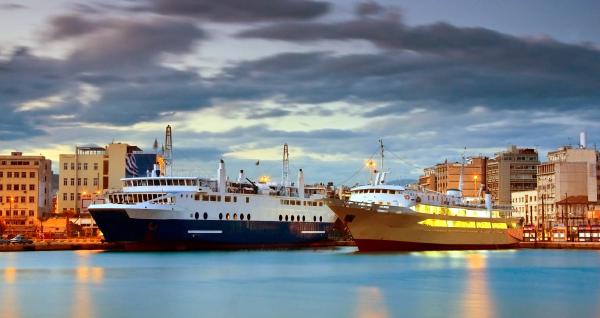
There’s a moment, maybe twenty minutes out of Piraeus, when the cargo cranes and apartment blocks of mainland Greece fall behind and the Aegean opens up — flat and impossibly blue and stretching in every direction. That’s when the Hydra trip actually starts. Not at the dock, not when you buy the ticket, but when Athens disappears and you realize you’re heading to an island where nothing has an engine.
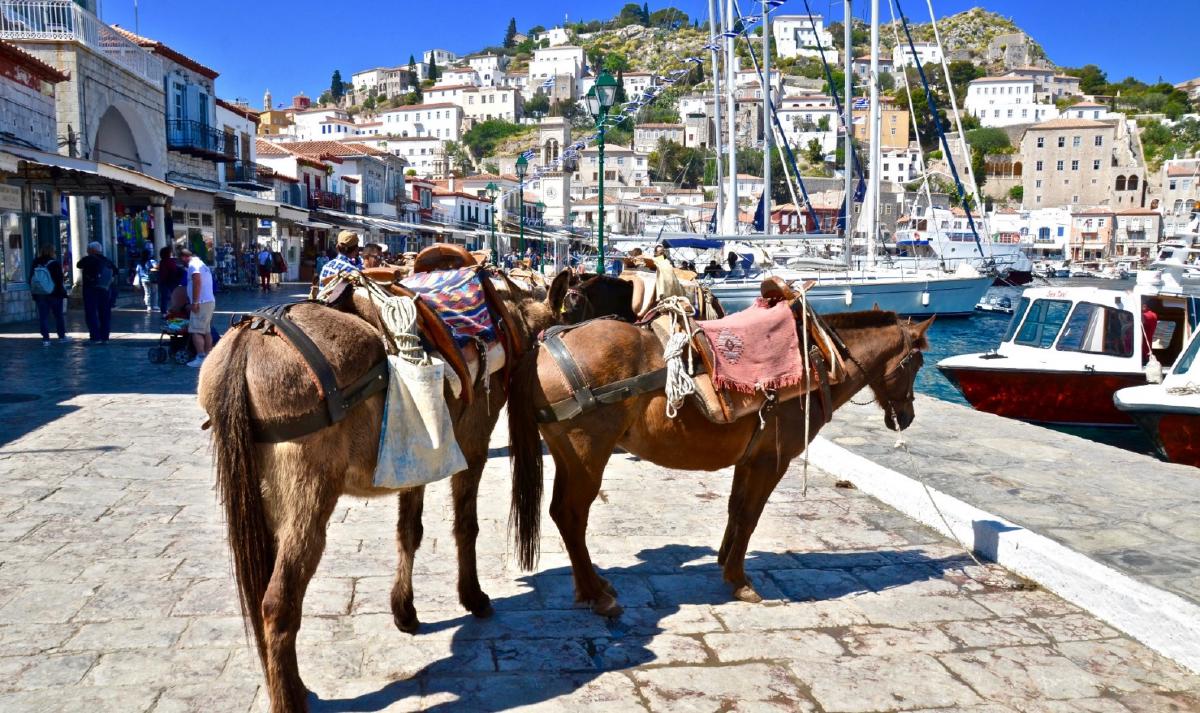
Hydra has no cars. No motorbikes. No scooters. No paved roads beyond the harbor. The Greek government banned motorized vehicles decades ago, and nobody’s changed their mind since. You walk, you ride a donkey, or you take a water taxi. That’s it. And that single fact makes Hydra feel more different from Athens than islands three times as far away.
It’s also one of the easiest islands to reach from Athens — 90 minutes by fast ferry, close enough for a day trip, interesting enough to deserve a night or two. Here’s how to plan it either way.
How to Get from Athens to Hydra#
All Hydra ferries depart from Piraeus port, Athens’ main harbor. There’s no airport on Hydra and no ferry from Rafina — Piraeus is your only option.
Ferry Types and Travel Times#
| Ferry Type | Travel Time | Price (One Way) | Operator |
|---|---|---|---|
| Hydrofoil / Catamaran | 1h 30min | €30-38 | Hellenic Seaways, Anes Ferries |
| Conventional Ferry | 2h 15min - 2h 30min | €15-22 | Anes Ferries, Saronic Ferries |
Hydrofoils and catamarans are the popular choice. They’re fast, enclosed, air-conditioned, and run 3-4 times daily in summer. Hellenic Seaways operates the Flying Dolphins and Flying Cat services — these are the workhorses of the Saronic Gulf routes.
Conventional ferries are slower but cheaper. They’re also bigger, which means outdoor deck space, better views, and a smoother ride if the wind picks up. If you’re not in a rush, they’re the more enjoyable way to travel.
Getting to Piraeus Port#
Piraeus connects to central Athens by Metro Line 1 (green line). From Syntagma or Monastiraki, it’s about 25-30 minutes. The metro runs from 5:30 AM — early enough for all morning ferries.
From the Piraeus metro station, the hydrofoil gates are about a 10-minute walk. Follow signs for “Flying Dolphins” or “Saronic Islands.” If you’re unsure, ask anyone at the port — the Hydra boats leave from Gate E8 or E9 (this can shift, so check your ticket).
Booking Ferries#
In summer (June-September), booking 2-3 days ahead is smart for the popular morning hydrofoils. Shoulder season (April-May, October) is more relaxed.
Book Piraeus to Hydra Ferries
Compare all Piraeus–Hydra schedules and prices in one place. Ferryhopper shows hydrofoils and conventional ferries side by side, so you can pick the departure time and price that works for your trip.
Day Trip vs Overnight: Which Should You Choose?#
This is the real question, and the answer depends on what kind of trip you want.
Day Trip (7-8 Hours on Island)#
Best for: First-timers, travelers with limited time, people based in Athens who want a taste of island life without packing a bag.
Take the earliest ferry (around 7:30 AM), arrive by 9:00 AM. Spend the day exploring the harbor, swimming, eating. Catch the 5:00 or 6:30 PM ferry back. You’ll be in Athens by 7:30-8:00 PM.
A day trip gives you enough time to see the harbor town, walk to at least one beach, have a proper Greek lunch, and wander the back streets above the port. You won’t reach the far side of the island, but you’ll get Hydra’s essence.
Day trip budget: €60-120 per person (ferry round trip + lunch + water taxi to a beach).
Overnight Stay (Recommended)#
Best for: Anyone who wants the real Hydra, couples looking for romance, photographers, anyone allergic to rushing.
The island changes completely after 5:00 PM when the day-trip boats leave. The harbor gets quieter. The cats come out. The light turns from harsh midday white to that soft, warm Aegean gold that painters have been chasing here since the 1960s. You can walk the inland paths without seeing another tourist, eat dinner at a waterfront taverna where you can actually hear the water lapping, and fall asleep to silence.
One night is the sweet spot if you’re working it into a longer Athens itinerary. Two nights let you properly explore the hiking trails, visit remote beaches by water taxi, and settle into the island’s rhythm.
Overnight budget: €120-250 per person per night (mid-range guesthouse + meals).
What to Do on Hydra#
Explore the Harbor#
Hydra’s harbor is one of the most photogenic in the Mediterranean, and unlike Santorini or Mykonos, it feels like it belongs to the people who live here. Stone mansions built by 18th-century sea captains ring the waterfront. Fishing boats and wooden caiques bob alongside sleek sailboats. Cats lounge on the cannons by the old port fortifications. Donkeys carry building materials up the hills — because that’s the only way to get them there.
Walk the full perimeter of the harbor. Stop at the Historical Archives Museum of Hydra (€6, small but worth 30 minutes) to understand why this tiny island once had the most powerful merchant fleet in the Aegean. Pop into the Ecclesiastical Museum in the Monastery of the Assumption.
Swim at the Beaches#
Hydra’s beaches are small and mostly pebbly — this isn’t a beach-vacation island. But the water is extraordinary: clear, deep blue, and clean enough that you can see fish from the rocks.
Beaches you can walk to:
- Spilia — a rocky swimming spot just 5 minutes east of the harbor. Locals jump off the rocks. Good for a quick swim, not a beach day.
- Kamini — a small pebble beach 20 minutes west on foot. Has a taverna right on the water. Calm and family-friendly.
- Vlychos — 30-40 minutes on foot past Kamini (or a quick water taxi). Wider pebble beach with a couple of tavernas. This is where day trippers go when they want a proper swim.
Beaches by water taxi:
- Bisti — the best beach on Hydra, period. Gorgeous cove with pine trees and clear water. About 15 minutes by water taxi (€10-15 per person). No facilities beyond shade from the pines — bring water and snacks.
- Agios Nikolaos — a small cove on the southeast side. Quiet, scenic, good for snorkeling.
- Limnioniza — remote and beautiful. Water taxi is the only realistic way to reach it.
Walk the Inland Trails#
This is the Hydra that most day trippers miss. Once you leave the harbor and head uphill, you enter a world of stone paths, wildflowers, goats, hilltop monasteries, and views that make you stop walking and just stand there.
Best walks:
- Harbor to Kamini and Vlychos — flat, coastal, easy. 40 minutes one way to Vlychos. Good for anyone.
- Harbor to Profitis Ilias Monastery — a proper uphill hike, about 1.5 hours to the top. Stunning 360-degree views. Bring water and sun protection. The monastery itself is often closed, but you’re going for the view.
- Kamini to Episkopi — a quieter inland trail through olive groves and stone walls. About 45 minutes. Good for avoiding crowds.
Eat Well#
Hydra’s food scene punches above its weight. The harbor restaurants are more tourist-oriented (and pricier), but even those are better than most Athenian tourist-trap tavernas. Head one street back from the waterfront or walk to Kamini for better value.
What to eat:
- Fresh fish — Hydra’s fishing boats come in every morning. Ask what’s fresh, order it grilled.
- Amygdalota — Hydra’s signature almond cookies. They’re everywhere, and they’re addictive.
- Seafood pasta at one of the Kamini waterfront tavernas.
- A long lunch with wine, looking at the sea. That’s the real Hydra meal.
Practical Tips#
No Cars Means Planning Differently#
The no-car rule is charming, but it has practical implications:
- Pack light. If you’re staying overnight, you or a donkey will carry your bag up stone steps. Rolling suitcases are useless here — bring a backpack or soft duffel.
- Wear proper shoes. Hydra’s paths are uneven stone and marble. Flip-flops are fine for the harbor but not for walking to beaches or climbing to monasteries.
- Water taxis are your transport. For beaches beyond walking distance, water taxis are how you get there. Budget €20-30 per person round trip for a beach excursion.
When to Go#
Best months: April-June and September-October. Warm enough to swim, few crowds, reasonable prices.
Peak season (July-August): Hydra gets busy with Athenian weekenders, especially Friday-Sunday. Ferries fill up. Prices spike. If you’re going in August, book everything — ferry, accommodation, restaurant for dinner — well in advance.
Winter: Hydra has a year-round population (about 2,000) and some businesses stay open. It’s atmospheric in winter — moody seas, empty paths, log fires in the evening — but many restaurants and guesthouses close from November through March.
Money and Supplies#
- ATMs: There are 2-3 ATMs near the harbor. They can run out of cash on busy summer weekends. Bring some euros in cash.
- Card payments: Most restaurants and shops accept cards, but small water taxis and some beach tavernas are cash only.
- Groceries: There are a few mini-markets near the harbor. Prices are higher than Athens (everything arrives by boat). Bring any specific snacks or supplies you need from the mainland.
Sample Day Trip Itinerary from Athens#
| Time | Activity |
|---|---|
| 6:30 AM | Metro to Piraeus (Line 1 from Monastiraki or Syntagma) |
| 7:30 AM | Hydrofoil departs Piraeus |
| 9:00 AM | Arrive Hydra. Coffee at a harbor café. |
| 9:30 AM | Walk the harbor. Visit the Historical Archives Museum. |
| 10:30 AM | Walk to Kamini or take a water taxi to Vlychos. |
| 11:00 AM - 1:00 PM | Swim, relax, sunbathe. |
| 1:00 PM | Lunch at a waterfront taverna in Kamini or Vlychos. |
| 2:30 PM | Walk back to the harbor. Explore the back streets, browse the art galleries and shops. |
| 4:00 PM | Final coffee or gelato at the harbor. Buy amygdalota. |
| 5:00 PM | Ferry back to Piraeus. |
| 6:30 PM | Arrive Piraeus. Metro back to central Athens. |
Hydra Day Tours from Athens#
If you’d rather not plan the logistics yourself, guided day tours handle the ferry, the transport, and the itinerary. This is especially useful if you want to combine Hydra with other Saronic islands (Aegina and Poros are the common package).
Athens: Hydra, Poros, and Aegina Day Cruise with Lunch
Discover the islands of Hydra, Poros, and Aegina on a full-day cruise from Athens. Enjoy views of the Greek coast from the open deck of a cruise ship and savor a buffet lunch on board. The most popular way to see the islands without juggling ferries yourself.
Athens: Hydra Island Day Trip with Swimming & Exploration
A focused full-day trip to Hydra only — no island hopping, just more time on the island. Includes ferry transfer and a guided walk through the harbor town. Better than the three-island cruise if Hydra is your main interest.
Frequently Asked Questions#
How long is the ferry from Athens to Hydra?#
The fastest hydrofoils and catamarans take about 1 hour 30 minutes from Piraeus. Conventional ferries take around 2 hours 30 minutes. All Hydra ferries depart from Piraeus port.
Can you do Hydra as a day trip from Athens?#
Yes — and it’s one of the best day trips you can do from Athens. Take an early morning ferry (7:30-8:00 AM) and return on an evening departure (5:00-6:30 PM). That gives you 7-8 hours on the island, which is enough to explore the harbor, swim at a beach, eat a long lunch, and wander the back streets.
Are there cars on Hydra?#
No. Hydra is completely car-free. No cars, no motorbikes, no scooters. The only motorized vehicles allowed are garbage trucks and fire engines. You get around on foot, by donkey, or by water taxi. It’s part of what makes the island so peaceful.
Is Hydra expensive?#
Hydra is more expensive than Athens but comparable to other popular Greek islands. Expect to pay €12-20 for a meal at a waterfront taverna, €80-150 per night for a mid-range guesthouse, and €30-38 for a round-trip hydrofoil ticket. The biggest variable is water taxis — budget €20-30 round trip per person if you want to visit a remote beach.
Can you swim on Hydra?#
Yes. The water around Hydra is exceptionally clear. The closest swimming spots — Spilia rocks and Kamini beach — are walkable from the harbor. For the best swimming, take a water taxi to Bisti or Agios Nikolaos coves.
Plan Your Trip#
Hydra is one of those rare islands that genuinely delivers on its reputation. The no-car thing isn’t a gimmick — it fundamentally changes how the place feels. After a few hours of walking stone paths and listening to nothing but waves and donkey bells, going back to Athens traffic feels almost surreal.
Whether you go for a day or stay the night, start by booking your ferry. The earlier you lock in that morning departure, the more of Hydra you’ll see.
Book Your Piraeus–Hydra Ferry
Search schedules, compare hydrofoils vs conventional ferries, and book online. Morning departures sell out in summer — book a few days ahead to secure the time slot you want.
More island trip planning:
- Island Hopping from Athens: Complete Guide — routes, budgets, and multi-island itineraries
- Athens to Paros Guide — another great island, further into the Cyclades
- Best Day Trips from Athens — Hydra and 9 other top escapes from the city