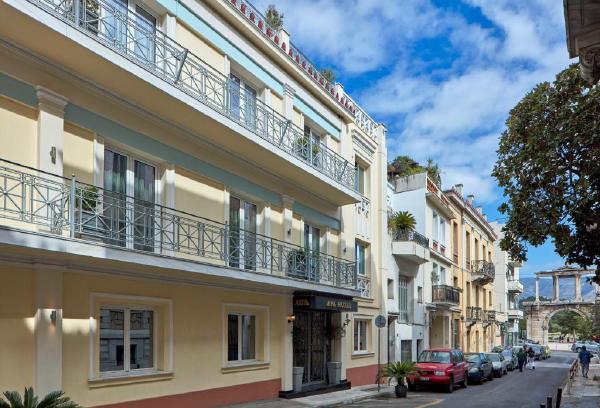
I’ve spent a lot of time in both Athens and Rome. I love both cities. And I’m going to be honest with you upfront: there’s no wrong answer here. Both are extraordinary places with thousands of years of history, incredible food, and the kind of atmosphere you can’t find anywhere else.
But they’re very different. And depending on what you want from a trip — what you eat, how you spend your evenings, how much you want to spend, what kind of history excites you — one will suit you better than the other.
Here’s a genuine, category-by-category comparison to help you decide between Athens and Rome.
Quick Comparison#
| Category | Athens | Rome | Edge |
|---|---|---|---|
| Ancient history | Birthplace of democracy, 5th century BC ruins | Roman Empire epicenter, 2,000+ years of layers | Tie |
| Food | Excellent, affordable, Mediterranean | World-class, slightly pricier | Rome (narrowly) |
| Budget | Significantly cheaper | More expensive across the board | Athens |
| Nightlife | Starts late, rooftop bars, local vibe | Aperitivo culture, livelier early evening | Tie |
| Beaches | Yes — tram to the coast in 35 min | No — nearest beaches 1+ hour away | Athens |
| Getting around | Compact, walkable, cheap metro | Larger, walkable center, good transit | Tie |
| Safety | Very safe | Safe (more pickpockets) | Athens (slightly) |
| Day trips | Islands, Delphi, Meteora | Pompeii, Amalfi, Tuscan towns | Tie |
| Crowds | Busy in summer, manageable | Very crowded year-round | Athens |
| Accommodation | €60-120/night midrange | €100-200/night midrange | Athens |
History & Sightseeing#
This is the big one. Both cities are living museums, but the history they offer is fundamentally different.
Athens#
Athens gives you the origins. This is where democracy was invented, where Socrates taught, where Western theater began, where the Parthenon was built as a statement of what human civilization could achieve. The ruins here are 2,500 years old and the sense of being at the beginning of something is powerful.
The Acropolis is the centerpiece — and honestly, it earns its reputation. Standing on top of that hill looking at the Parthenon, knowing that Pericles walked here, that the building survived Turkish cannons and Lord Elgin and World War II — it hits differently from anything in Rome.
Beyond the Acropolis, there’s the Ancient Agora (where Socrates debated), the Temple of Olympian Zeus, the Panathenaic Stadium, and the extraordinary Acropolis Museum.
The trade-off: Athens has fewer major sites than Rome. You can see most of ancient Athens in 2-3 days. The sites are concentrated and walkable, which is efficient but means less variety.
Rome#
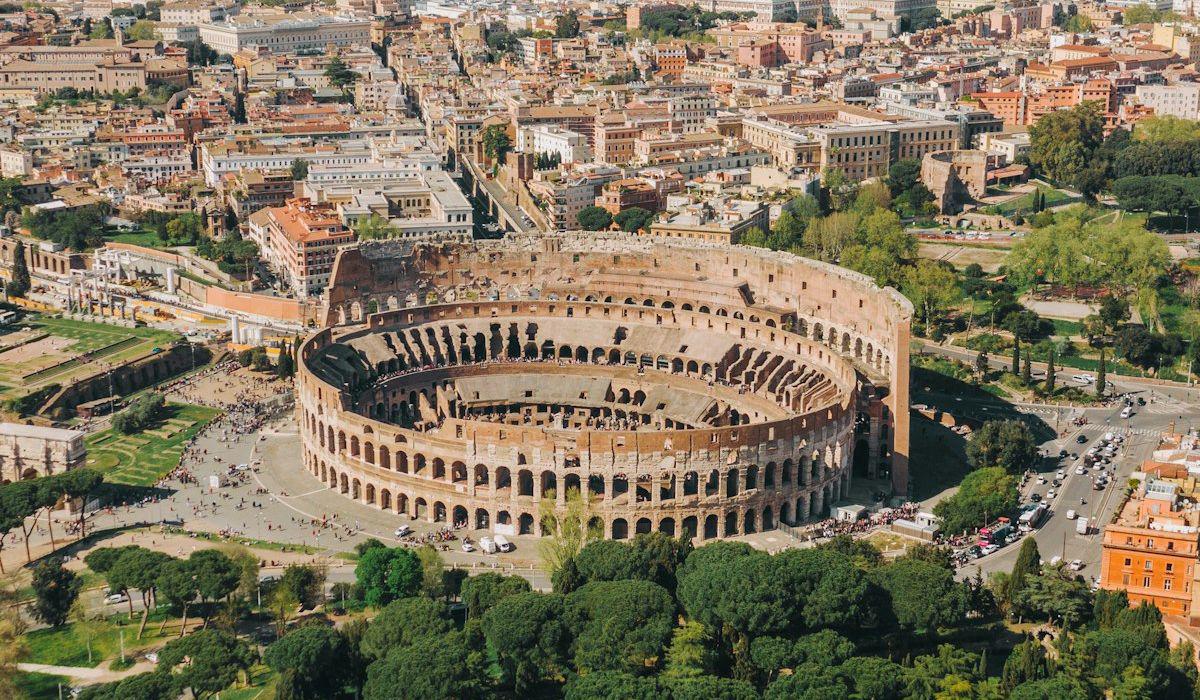
Rome gives you layers. Walking through the city, you pass through 2,700 years of history stacked on top of itself — ancient temples, medieval churches, Renaissance palaces, Baroque fountains, and 20th-century buildings, all on the same street. The Colosseum, the Roman Forum, the Pantheon, Vatican City, the Sistine Chapel — the sheer quantity of world-class historical sites is staggering.
You could spend two weeks in Rome and still feel like you missed things. Every neighborhood has a church with Caravaggio paintings. Every piazza has a Bernini fountain. History is everywhere, in every direction, in overwhelming abundance.
The trade-off: Rome can feel exhausting. There’s so much to see that you either rush through it or accept you can’t see everything. The Vatican alone can eat an entire day.
Verdict: History#
Tie. Athens for the depth and emotional weight of being at the origin point of Western civilization. Rome for the sheer quantity and variety of historical sites across multiple eras. If you’re passionate about ancient Greek civilization specifically, Athens wins. If you want the broadest possible historical experience, Rome wins.
Food#
Both cities will feed you extraordinarily well. But the food cultures are different.
Athens#
Greek food is simpler, ingredient-driven, and incredibly satisfying. The emphasis is on fresh ingredients prepared well — grilled meats, seafood, olive oil, feta, tomatoes, fresh bread. A €3.50 souvlaki wrap from a street vendor in Monastiraki can be the best thing you eat all week. A €15-per-person taverna meal with mezze, grilled fish, and a carafe of house wine feels like a feast.
Greek cuisine doesn’t aim for complexity. It aims for quality ingredients and honest flavors. And in Athens, the quality is consistently high — even at casual, cheap places.
Standout experiences:
- Souvlaki in Monastiraki (€3-4 per wrap)
- Seafood tavernas in Psyrri and the coast
- Central Market food stalls
- Rooftop dining with Acropolis views
- Greek breakfast: bougatsa, tiropita, and strong coffee
See our Greek food guide and where to eat guide for details.
Rome#
Roman food is richer, more technique-driven, and extraordinary. Pasta here — cacio e pepe, carbonara, amatriciana — is elevated to an art form. Pizza al taglio from a street bakery. Suppli (fried rice balls). Gelato that puts everything you’ve had before to shame. The aperitivo tradition (a drink with free snacks at 6 PM) is one of Europe’s best dining inventions.
Roman food has more variety and complexity, and the city’s best restaurants are among the finest in the world. But it also costs more, and tourist-trap restaurants are more common and more expensive than in Athens.
Standout experiences:
- Carbonara at a traditional trattoria
- Pizza al taglio from a street bakery
- Gelato from an artisan gelateria
- Aperitivo at a neighborhood bar
- The Testaccio food market
Verdict: Food#
Rome, narrowly. Both cities have exceptional food, but Rome’s variety, technique, and the sheer depth of its culinary tradition give it a slight edge. Athens fights back hard on value — you eat just as well for significantly less money. If budget matters, Athens food wins on quality-per-euro spent.
Budget#
This isn’t close. Athens is significantly cheaper than Rome in almost every category.
| Expense | Athens | Rome |
|---|---|---|
| Budget hotel/hostel | €30-60/night | €50-100/night |
| Mid-range hotel | €60-120/night | €100-200/night |
| Meal at a taverna/trattoria | €10-18/person | €15-30/person |
| Street food | €3-5 | €5-8 |
| Coffee | €1.50-3 | €1-4 |
| Beer at a bar | €4-6 | €5-8 |
| Cocktail | €8-12 | €10-16 |
| Metro ticket | €1.20 | €1.50 |
| Major site entry | €20 (Acropolis) | €16-18 (Colosseum/Forum) |
| Day trip tour | €60-90 | €80-130 |
Daily budget comparison:
- Budget traveler: Athens €50-70/day vs. Rome €80-120/day
- Mid-range: Athens €100-150/day vs. Rome €150-250/day
- Comfortable: Athens €150-250/day vs. Rome €250-400/day
Athens is roughly 30-40% cheaper than Rome across the board. Accommodation is the biggest difference — a solid mid-range hotel near the Acropolis costs what a budget hotel near the Colosseum costs. Food follows the same pattern: taverna meals in Athens are generous, excellent, and about half the price of equivalent quality in Rome.
For specific budget tips, see our Athens on a budget guide.
Verdict: Budget#
Athens wins decisively. If you’re budget-conscious, Athens gives you more for less in every category. A week in Athens costs about the same as 4-5 days in Rome at equivalent comfort levels.
Beaches#
Athens#
Athens has a coastline. The Athenian Riviera stretches south of the city with sandy beaches, rocky coves, and crystal-clear water reachable by tram in 35 minutes. After a morning at the Acropolis, you can be swimming in the Aegean by lunch. Glyfada, Voula, Vouliagmeni, and the secret coves at Limanakia are all accessible by public transport.
This is a genuine advantage. Combining ancient history and beach time in the same day, without renting a car or taking a long bus ride, is something Athens offers that Rome simply can’t match.
See our Athens beaches guide for details.
Rome#
Rome is not a beach city. The nearest beaches (Ostia, Santa Marinella) are at least an hour away by train, and they’re decent but not special. Most visitors to Rome don’t swim — the city is inland and the focus is entirely on history, food, and culture.
If you want a beach-and-city trip in Italy, you’d combine Rome with the Amalfi Coast or head to Sardinia — which adds significant travel time and cost.
Verdict: Beaches#
Athens wins, no contest. If beach time matters to you at all, Athens is the clear choice. The ability to swim in the Aegean on a lunch break from sightseeing is unique among European capitals.
Nightlife#
Athens#
Athens nightlife starts late — dinner at 10 PM, bars from midnight, clubs until 6 AM. The rooftop bars are the highlight: drinking a cocktail with the lit-up Acropolis floating above you is an experience Rome can’t replicate. Psyrri and Gazi are packed with bars, the cocktail scene is world-class (The Clumsies, Baba Au Rum), and everything is 30-40% cheaper than equivalent spots in Rome.
The Greek approach is more relaxed — picking one spot, ordering mezze and drinks, and staying for hours rather than hopping between venues.
See our nightlife guide for details.
Rome#
Rome’s nightlife starts earlier with the aperitivo tradition — 6-8 PM drinks with complimentary snacks at bars across the city. Trastevere is lively and atmospheric every night. The wine bar culture is exceptional. Clubs exist but aren’t the main event — Rome’s strength is the casual, sociable evening scene: eating, drinking, and people-watching in beautiful piazzas.
Verdict: Nightlife#
Tie — different strengths. Athens for late-night energy, rooftop bars, and affordable cocktails. Rome for the aperitivo tradition, wine bars, and atmospheric piazza evenings. Athens goes later and costs less. Rome starts earlier and integrates food more naturally.
Safety#
Both cities are safe by global standards, but there are differences.
Athens#
Athens is very safe for tourists. Violent crime against visitors is extremely rare. Pickpocketing exists on the metro and in Monastiraki but is less aggressive than in Rome. The city feels safe walking around at night in most neighborhoods. Even the areas people worry about (Omonia, Exarchia) are more rough-around-the-edges than dangerous.
See our safety guide for details.
Rome#
Rome is safe overall, but pickpocketing is a more significant issue — particularly around the Colosseum, Termini station, and on crowded buses. Tourist scams (overpriced restaurants, fake “free” gifts, petition scams) are more common and more aggressive in Rome than in Athens.
Verdict: Safety#
Athens, slightly. Both are safe cities, but Athens has less petty crime, fewer tourist scams, and a generally more relaxed street atmosphere. Neither city should worry a sensible traveler, but Athens gives you less to think about.
Getting Around#
Athens#
Athens is compact. The historic center is small enough to walk almost everywhere. The metro has three lines that cover the main sites, and a single ticket costs €1.20. The tram runs to the coast for beach access. Taxis are cheap (€5-10 within the center). You don’t need a car, ever.
See our metro guide for details.
Rome#
Rome is larger but the historic center is still walkable. The metro has two main lines (fewer stations than Athens, ironically). Buses are extensive but confusing. Walking is the best way to explore, but distances between major sites can be significant — it’s a solid 25-minute walk from the Colosseum to the Trevi Fountain, and Vatican City is across the river.
Verdict: Getting Around#
Slight edge to Athens for its compactness. Everything in Athens is within a 20-minute walk or a short metro ride. Rome requires more walking or more transit planning due to the spread of its sites. Both are manageable without a car.
Day Trips#
Both cities are excellent bases for day trips.
Athens#
- Delphi — Ancient oracle site in the mountains (2.5 hours)
- Meteora — Monasteries on rock pillars (4-5 hours, but spectacular)
- Saronic Islands — Hydra, Aegina, Poros by ferry (1-2 hours)
- Peloponnese — Mycenae, Epidaurus, Nafplio (1.5-2 hours)
- Cape Sounion — Temple of Poseidon sunset (1 hour)
See our day trips guide for details.
Rome#
- Pompeii & Herculaneum — Preserved Roman cities (2.5 hours by train)
- Amalfi Coast — Dramatic coastline (3+ hours, better as overnight)
- Tivoli — Villa d’Este and Hadrian’s Villa (45 minutes)
- Orvieto — Medieval hilltop town (1 hour by train)
- Florence — Renaissance capital (1.5 hours by fast train)
Verdict: Day Trips#
Tie. Both offer exceptional day trip options. Athens has the advantage of island access (you can be on a Greek island in under an hour). Rome has the advantage of fast-train connections to other Italian cities. Both have world-class archaeological sites within easy reach.
Best Time to Visit#
| Season | Athens | Rome |
|---|---|---|
| Spring (Apr-May) | Excellent — warm, not crowded | Excellent — pleasant, moderate crowds |
| Summer (Jun-Aug) | Very hot (35°C+), beaches help | Very hot (35°C+), no beach escape |
| Fall (Sep-Oct) | Perfect — warm, fewer crowds | Very good — still warm, crowds thinning |
| Winter (Dec-Feb) | Mild (10-15°C), very quiet | Cool (5-12°C), fewer tourists |
Athens handles summer better because you can escape to the beach. Rome in August is famously hot with nowhere to cool off except gelato shops and air-conditioned churches.
See our best time to visit Athens and Athens in winter guide.
Who Should Choose Athens#
Athens is the better choice if you:
- Are on a budget — 30-40% cheaper than Rome across the board
- Want beach time — swim in the Aegean 35 minutes from your hotel
- Love ancient Greek history — this is the source, the original, the place where it happened
- Prefer a compact city — see everything on foot without exhausting yourself
- Want fewer crowds — especially outside peak summer
- Like late-night culture — rooftop bars, midnight dinners, 3 AM souvlaki
- Are combining with Greek islands — Athens is the natural gateway to Mykonos, Santorini, Crete, and the Cyclades
Who Should Choose Rome#
Rome is the better choice if you:
- Want the broadest historical experience — 2,700 years of layers from Republic to Renaissance
- Are passionate about art — the Vatican, Sistine Chapel, Caravaggio churches, and Borghese Gallery are unmatched
- Are a serious food lover — Roman cuisine is slightly more diverse and refined
- Prefer early evening culture — aperitivo at 6 PM, dinner at 8 PM, and bed by midnight
- Want to combine with other Italian cities — fast trains to Florence, Naples, Venice
- Love religious history — Vatican City, centuries of church art, Christian heritage
Why Not Both?#
If you have 10+ days, doing both is very doable. Direct flights between Athens and Rome take about 2 hours and can be found for €30-80 on budget airlines. A common route:
Option A: 4-5 days Rome → fly to Athens → 4-5 days Athens (+ optional island extension)
Option B: 4-5 days Athens → ferry to Greek islands → fly from island to Rome → 3-4 days Rome
Both work well. Flying between them is cheap and fast.
Frequently Asked Questions#
Is Athens or Rome cheaper?#
Athens, significantly. Accommodation is 30-50% cheaper, food is 30-40% cheaper, and drinks are 20-30% cheaper. A mid-range trip to Athens costs roughly what a budget trip to Rome costs. Both cities offer free or cheap major attractions.
Which city has better food?#
Both have exceptional food. Rome has more variety and technique (pasta, pizza, gelato). Athens has simpler, ingredient-driven cuisine at lower prices. Rome’s best meals are slightly better; Athens’ average meals are consistently excellent and more affordable. It depends on your priorities.
Is Athens or Rome safer?#
Both are safe for tourists. Athens has slightly less pickpocketing and fewer tourist scams. Rome’s pickpocket problem is more pronounced around major tourist sites and public transport. Neither city should cause concern for a sensible traveler.
Which city is better for first-time visitors to Europe?#
Athens is easier for first-timers — it’s smaller, cheaper, more walkable, and less overwhelming. Rome has more to see but can feel hectic, especially around major tourist sites. If you’re nervous about your first European trip, Athens is the gentler introduction.
Can I do both Athens and Rome in one trip?#
Absolutely. Direct flights are 2 hours and often €30-80. Give each city 3-4 days. A 7-10 day trip covering both is very achievable and gives you the best of Greece and Italy.
Which city has better weather?#
Similar climates, but Athens is slightly warmer and sunnier year-round. Athens’ advantage is beach access in summer — when both cities hit 35°C, Athens lets you cool off in the sea. Rome in August with no beach nearby is tough.
Athens or Rome for a romantic trip?#
Both are romantic. Rome has an edge for classic romance — Trevi Fountain wishes, sunset from Pincian Hill, candlelit trattorias. Athens counters with rooftop bars overlooking the lit Acropolis, sunset sailing cruises, and the intimacy of a smaller, less hectic city. See our romantic Athens guide for ideas.
The Bottom Line#
Choose Athens if: You want ancient Greek history, beaches, affordable prices, late-night culture, and a compact city that doesn’t overwhelm. Athens gives you an incredible trip at a fraction of Rome’s cost, with the bonus of being a gateway to the Greek islands.
Choose Rome if: You want the broadest possible historical and artistic experience, world-class Italian food, and a city with so much to see that you’ll already be planning your return before you leave.
The honest truth: I’d tell most first-time European travelers to start with Athens. It’s easier, cheaper, more relaxed, and the combination of ancient history plus beach time is hard to beat. Rome is extraordinary, but it demands more — more money, more planning, more energy. Athens delivers a near-perfect trip with less effort.
But if you can do both? Do both. They complement each other beautifully.
Planning your Athens trip? See our 5-day itinerary, Athens neighborhoods guide, and things to do in Athens.