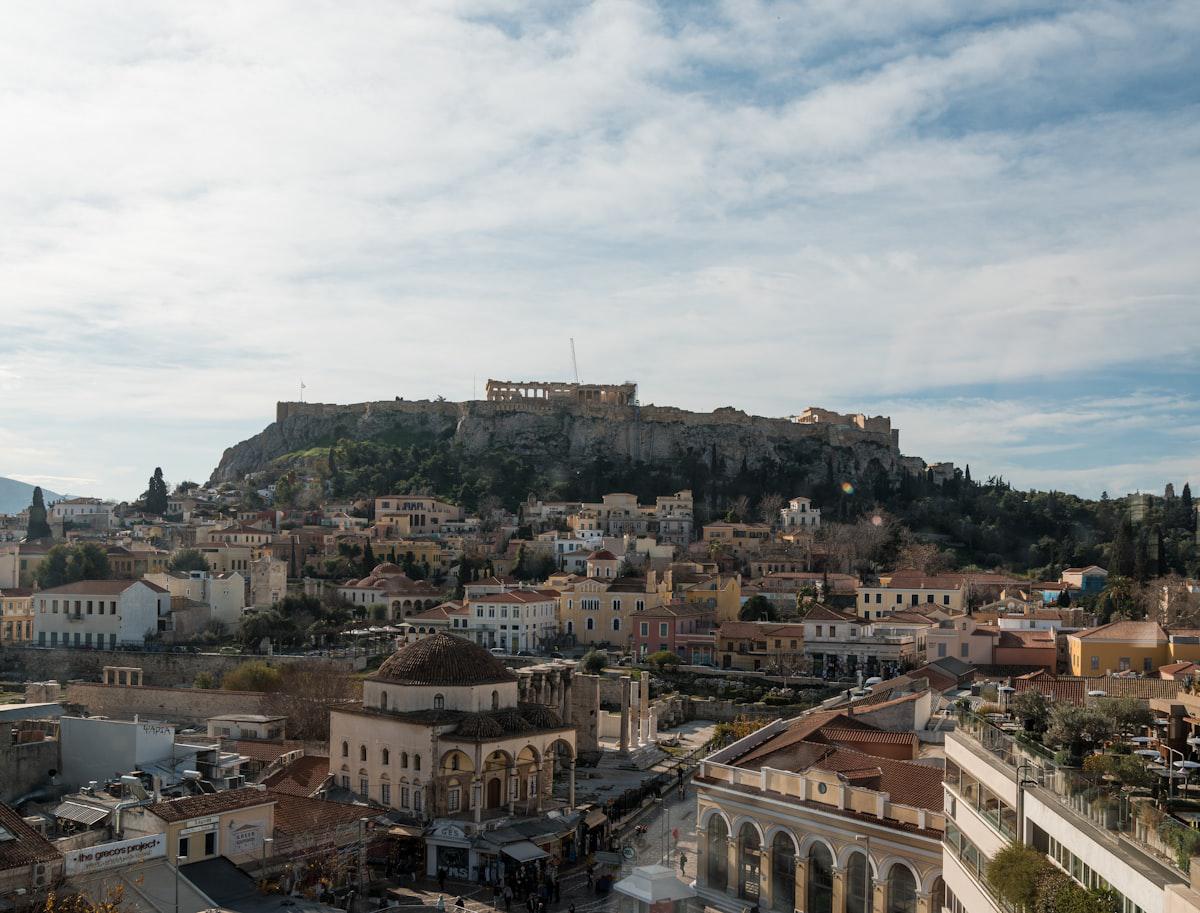
I get asked this more than almost any other Athens question: “Is it safe?” Usually by people whose only reference point is news coverage from the 2012 debt crisis. So let me just say it clearly: yes, Athens is very safe for tourists — safer, in my experience, than Barcelona, comparable to Rome, and miles ahead of its reputation.
But I’d be doing you a disservice if I left it at that. Here’s the honest, no-sugarcoating breakdown.
Quick Safety Assessment#
| Concern | Risk Level | Notes |
|---|---|---|
| Violent crime against tourists | Very Low | Rare, not a significant concern |
| Pickpocketing | Moderate | Common in tourist areas, metro |
| Scams | Low-Moderate | Typical tourist city stuff |
| Safe at night | Generally Yes | Stick to populated areas |
| Solo female travel | Safe | Normal urban precautions |
Overall: Athens sits comfortably alongside Barcelona, Rome, and Lisbon — a typical Southern European capital where common sense goes a long way.
Pickpocketing: The Main Concern#
Alright, let’s address the elephant in the room. Pickpocketing is the number one safety issue in Athens. It’s not violent, it’s not scary — but it’s real, and I’ve watched it happen to other tourists right in front of me.
Where Pickpockets Operate#
- Metro — Especially Lines 1 and 3, during crowded trains
- Monastiraki Square — Busy tourist hub, lots of distraction
- Acropolis entrance — Tourists with phones and cameras out, not paying attention to their bags
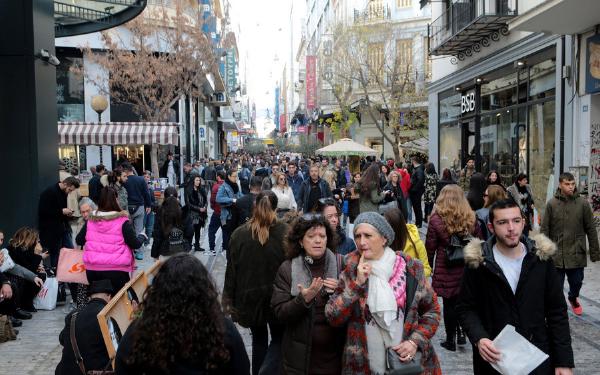
- Ermou Street — Crowded pedestrian shopping street
- Plaka — Dense restaurants where bags hang off chairs
How to Protect Yourself#
- Front pocket or crossbody money belt — Never back pocket, never an unzipped backpack dangling behind you
- Don’t flash valuables — Take your photo, then phone goes back in pocket
- Be extra alert on the metro — Especially when doors open and close, when crowds press in
- Watch for distractions — Someone bumping you, asking for directions, or showing you something while a partner goes for your pockets
- Use the hotel safe — Don’t carry your passport around. A phone photo of it works fine.
Common Scams to Avoid#
I’ve encountered most of these personally. None are dangerous — just annoying and designed to separate you from a few euros.
The “Free” Bracelet/Flower#
Someone ties a bracelet on your wrist or hands you a flower with a big smile. Then the smile disappears and they demand payment. Solution: Don’t let anyone put anything on you. Firm “No” and keep walking. Don’t feel rude about it — they’re counting on your politeness.
Restaurant Overcharging#
Tourist restaurants may add items you didn’t order, charge for bread you didn’t ask for, or have conveniently different prices than the menu showed. Solution: Check prices on the menu before ordering, and review the bill line by line.
Fake Petitions#
Someone asks you to sign a “petition” — often claiming to represent a deaf charity — then aggressively demands a donation. Solution: Keep walking. Don’t stop, don’t engage.
Taxi Scams#
Some taxi drivers take scenic routes or “forget” the meter. I’ve had this happen once — the driver claimed the meter was broken. It wasn’t. Solution: Use the Beat app (Greek Uber equivalent), always insist on the meter, and know the rough fare to your destination.
ATM Skimming#
Rare but it exists at standalone ATMs in tourist areas. Solution: Use bank ATMs attached to actual bank branches, and cover the keypad when you type your PIN.
Neighborhoods: What’s Safe?#
Very Safe (Day & Night)#
- Plaka — Touristy, well-policed, feels secure at midnight
- Monastiraki — Busy and well-lit until late
- Syntagma — Central, heavily patrolled
- Kolonaki — Upscale and quiet at night
- Koukaki — Residential, families walking around at all hours
- Pangrati — Local neighborhood, family-friendly atmosphere
Safe with Normal Precautions#
- Psyrri — Very safe overall, but some emptier streets late at night
- Gazi — Nightlife area, busy and well-lit until 3 AM
- Thissio — Tourist promenade, well-maintained
Use Extra Caution#
- Exarchia — Athens’ bohemian/anarchist quarter. It looks rough (graffiti everywhere, political posters), and protests occasionally happen near the Polytechnic. But honest truth? I’ve walked through Exarchia many times and felt perfectly fine. Tourists are not the target of anything happening here. I’d skip it very late at night if you’re uncomfortable, though.
- Omonia Square — Fine during the day for passing through, but the surrounding streets get seedy at night. Drug activity is visible. I wouldn’t linger.
- Metaxourgeio — Gentrifying but still rough around the edges, especially after dark.
- Vathi Square area — Near Omonia, can feel uncomfortable after dark.
Is Athens Safe at Night?#
Yes, mostly. And this is one of the things I love about the city — it’s alive at night. Greeks eat dinner at 9-10 PM, go out for drinks at 11 PM, and some neighborhoods are busy well past midnight. It’s not a city that shuts down at sunset.
Safe at night:
- Main tourist areas (Plaka, Monastiraki, Psyrri)
- Gazi nightlife district
- Well-lit main streets in any central neighborhood
Use caution:
- Empty side streets (just take the main road instead)
- Areas around Omonia after 11 PM
- Walking alone through parks at night
Tips:
- Stick to populated, well-lit streets — which in Athens is easy, because Greeks love being out at night
- Use Beat/taxi for longer distances rather than walking through quiet areas alone
- Stay aware but not paranoid. The vibe in Athens at night is festive, not threatening.
Solo Female Travel in Athens#
I’ve spoken with many solo female travelers about Athens, and the consensus is clear: it’s safe for solo women. Not perfect — no city is — but solidly in the “comfortable” category.
What to Expect#
- Catcalling: Rare, but can happen. Usually harmless, occasionally annoying.
- Following: Very rare. Report to police immediately if it happens.
- Nightlife: Normal precautions — watch your drink, let someone know where you’re going
- Dress code: No restrictions. Wear what you want. Athens is a modern European capital.
Tips for Solo Women#
- Stay in well-reviewed, central accommodations — Plaka, Koukaki, and Monastiraki are all great
- Share your itinerary with someone at home
- Trust your instincts — if something feels off, leave. You don’t owe anyone politeness.
- Have offline maps downloaded (Google Maps works great)
- Keep your phone charged (portable battery is worth its weight)
LGBTQ+ Safety#
Athens is generally LGBTQ+ friendly, especially compared to other cities in the Balkans or Eastern Mediterranean. It’s not Amsterdam, but it’s solidly welcoming.
- Gazi is the main gay nightlife area — vibrant and openly queer
- Public displays of affection are fine in central tourist areas
- Legal protections exist (civil unions legal since 2015, same-sex marriage since 2024)
- Athens Pride happens every June and is well-attended
Some older Greeks hold more conservative views, but open harassment is rare. Use the same discretion you’d use in any Southern European city.
Protests and Demonstrations#
Here’s something that catches first-time visitors off guard: Athens has frequent protests. Greeks are politically active — it’s basically a national pastime. But for tourists, it’s almost never a real concern.
- Where: Usually Syntagma Square, in front of Parliament
- When: Often weekday evenings, sometimes Saturdays
- Risk to tourists: Low, as long as you don’t walk into the middle of one
- What to do: Take a different route. Watch from a safe distance if you’re curious. Don’t approach police lines.
Most protests are peaceful people with signs and chanting. Occasionally things escalate between specific groups and police, and tear gas can happen. If you see a large crowd forming with banners, or smell anything acrid, just walk the other direction. It’s that simple.
Emergency Information#
| Service | Number |
|---|---|
| Police | 100 |
| Ambulance | 166 |
| Tourist Police | 1571 |
| Fire | 199 |
| European Emergency | 112 |
Tourist Police speak English and are specifically trained for tourist-related issues. Call 1571 for anything from theft reports to taxi disputes. They’re actually quite helpful.
Useful Apps#
- Beat — Taxi app (Greek Uber equivalent, reliable and metered)
- Google Maps — Download offline Athens maps before you arrive
- Translate — Handy for menus and signs, though most Athenians speak English
Health & Medical Safety#
- Tap water: Safe to drink everywhere in Athens. Fill your bottle and save money.
- Pharmacies: Look for the green cross signs. Pharmacists in Greece are knowledgeable and can help with minor issues without a doctor visit.
- Hospitals: Public hospitals have emergency rooms. The system can be slow, but it works.
- COVID-19: Check current requirements before travel — they change.
- Heat: Summer temps hit 38-42°C. This is the real health risk in Athens. Stay hydrated, wear sunscreen, and don’t try to power through midday heat at outdoor sites.
Frequently Asked Questions#
Is Athens safe for American tourists?#
Yes. Athens is very safe for Americans — standard European city precautions apply. Protect against pickpockets, don’t flash expensive gear, and you’ll be fine. Americans are generally well-received in Athens.
Is Athens safer than Rome or Barcelona?#
In my experience, yes — slightly. Athens has less organized pickpocketing than Barcelona and fewer tourist-targeted scams than Rome. All three are generally safe European capitals where common sense is your best tool.
Is Exarchia dangerous?#
No, not for tourists. It’s visually intense — graffiti on every surface, political posters, an edgy atmosphere. But violent crime against visitors is genuinely rare. Many travelers find it one of the most interesting neighborhoods in Athens. I’d recommend visiting during the day your first time.
Is Athens safe for solo female travelers?#
Yes. I’ve spoken with dozens of solo women who’ve traveled Athens without problems. Normal urban precautions apply — stay aware, trust your gut, stick to well-lit areas at night. Athens is considered one of the safer Southern European capitals for solo women.
Is it safe to walk around Athens at night?#
In tourist areas and main neighborhoods — absolutely. I regularly walk around Plaka, Monastiraki, and Koukaki at midnight without concern. Just avoid empty streets around Omonia and unlit parks, same as any city.
Are taxis safe in Athens?#
Yes. Use the Beat app for the smoothest experience, or official yellow cabs from ranks. Agree on meter usage before starting. The vast majority of Athens taxi drivers are honest and helpful.
The Bottom Line#
Athens is safe. Millions of tourists visit every year and the vast majority have zero problems. I’ve spent a lot of time here and have never felt genuinely unsafe.
Your realistic concerns are:
- Pickpockets — Secure your stuff, especially on the metro and in crowded areas
- Minor scams — Don’t engage with street vendors, check your restaurant bill
- Some neighborhoods at night — Stick to the main areas and you’re golden
Don’t let overblown safety fears keep you from visiting. Athens is a city that rewards exploration — the more you walk around, the more you’ll realize how friendly and welcoming it actually is.
Planning your visit? Check out our Athens neighborhood guide and 3-day itinerary.