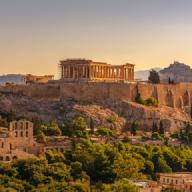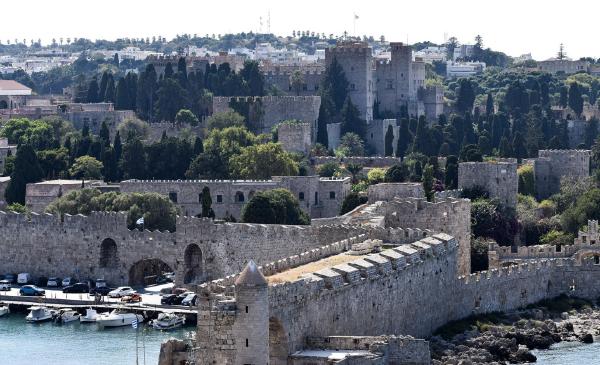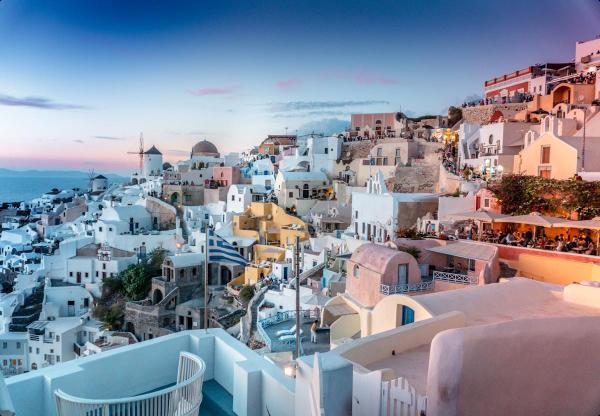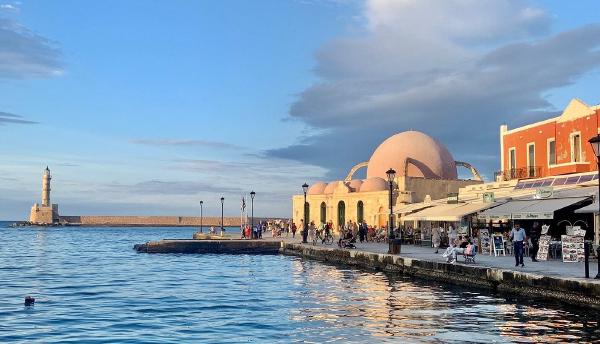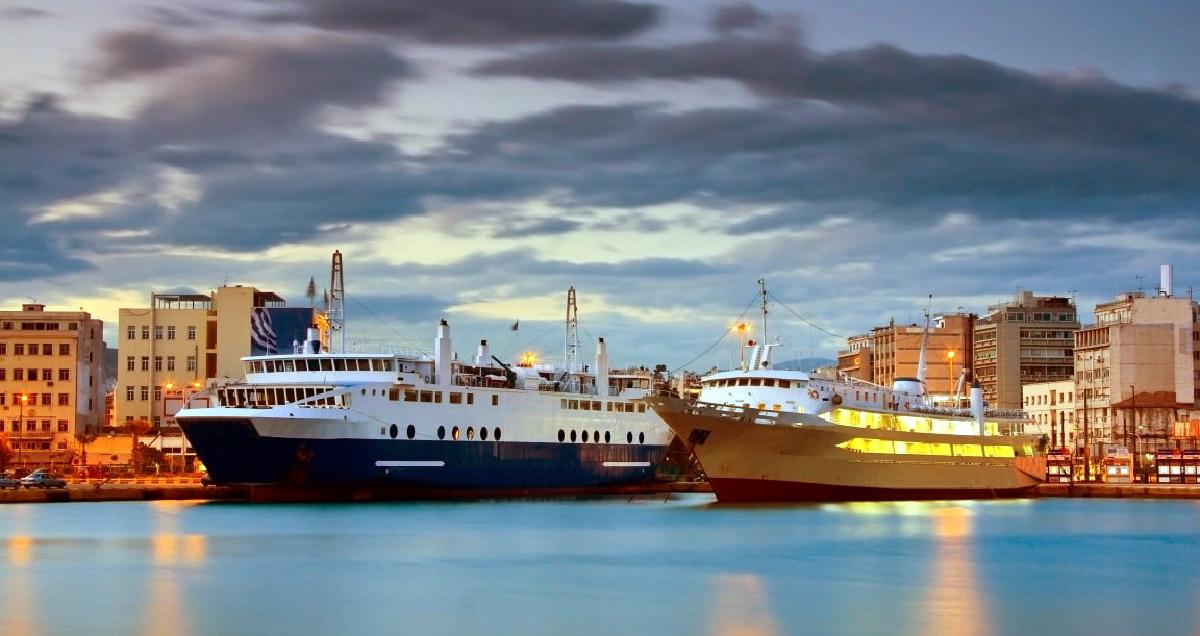
Athens sits at the center of the Greek ferry network like a hub with a hundred spokes. Piraeus and Rafina — the two main ports — connect you to dozens of islands across the Aegean, and once you’re out there, the islands connect to each other. That’s the magic of island hopping in Greece: you’re not booking a single destination. You’re building a route.
The problem is that nobody tells you how to actually plan one. You get vague blog posts that say “visit the Cyclades!” and a few Instagram reels, but no one sits down and explains the ferries, the routes, the timing, and the money. That’s what this guide is for. Whether you have five days or two weeks, whether you want quiet villages or party beaches, here’s how to build an island hopping trip from Athens that actually works.
Which Islands Can You Reach from Athens?#
More than you’d think. Athens connects directly to over 30 islands, and from those islands, you can reach dozens more. Here’s the geography:
Cyclades (Most Popular for Island Hopping)#
The Cyclades are the classic Greek island hopping destination — whitewashed villages, deep blue water, volcanic landscapes. Most ferries depart from Piraeus, though some Mykonos ferries leave from Rafina.
| Island | Ferry time from Athens | Character |
|---|---|---|
| Mykonos | 2.5-5 hours | Party scene, beaches, cosmopolitan nightlife |
| Santorini | 4.5-8 hours | Caldera views, sunsets, romance, wine |
| Paros | 3-5 hours | All-rounder — beaches, villages, nightlife, food |
| Naxos | 3.5-5.5 hours | Biggest Cycladic island, beaches, mountain villages |
| Milos | 3.5-7 hours | Volcanic beaches, Sarakiniko moonscape |
| Ios | 4-7 hours | Party island meets quiet hilltop Chora |
| Sifnos | 3-5.5 hours | Food capital of the Cyclades, hiking, ceramics |
| Folegandros | 4-7 hours | Dramatic cliffs, tiny and unspoiled |
| Syros | 2-4 hours | Year-round island, Hermoupolis architecture |
Saronic Gulf Islands (Best for Short Trips)#
These are the closest islands to Athens — perfect if you have limited time or want to ease into island hopping. Ferries leave from Piraeus.
| Island | Ferry time from Athens | Character |
|---|---|---|
| Aegina | 40-75 minutes | Pistachio orchards, Temple of Aphaia, local feel |
| Hydra | 1.5-2 hours | No cars, no motorbikes, artists’ island, stone mansions |
| Poros | 1-2 hours | Pine-covered, relaxed, close to the Peloponnese |
| Spetses | 2-2.5 hours | Old-money charm, horse-drawn carriages, pine beaches |
Dodecanese (Rhodes, Kos)#
You can reach the Dodecanese from Athens by ferry, but it’s a long haul — 12-18 hours to Rhodes, 10-13 hours to Kos. Most people fly to the Dodecanese from Athens and island hop locally from there.
Crete#
Crete has daily ferry service from Piraeus — about 6-9 hours by day ferry or 9 hours overnight. It works as the final stop on a longer island hopping route, especially if you’re heading south through the Cyclades. For the full breakdown, check our Athens to Crete guide.
Best Island Hopping Routes from Athens#
Here are four tested routes, organized by how much time you have. All start and end in Athens.
The Weekend Escape: Saronic Islands (3-5 Days)#
Route: Athens → Aegina → Hydra → Poros → Athens
This is the gentlest introduction to Greek island hopping. The Saronic islands are close together, ferries run frequently, and you can do the whole loop without a single overnight ferry.
Day-by-day:
- Day 1: Morning ferry to Aegina (40 min). Visit the Temple of Aphaia, eat fresh fish at the harbor, buy pistachios. Stay overnight.
- Day 2: Ferry to Hydra (1 hr from Aegina). Walk the waterfront — no cars on Hydra, just donkeys and water taxis. Swim at Vlychos beach. Stay overnight.
- Day 3: Ferry to Poros (30 min). Rent a bike, explore the pine forests, take a water taxi across the strait to Galatas on the mainland. Stay overnight or catch an afternoon ferry back to Piraeus (1-2 hr).
- Days 4-5 (optional): Add Spetses for more beaches and old-money atmosphere.
Budget estimate: €350-600 per person (ferries, mid-range hotels, meals, no tours)
Book Saronic Island Ferries
Compare schedules and prices for all Saronic Gulf ferry routes. Ferryhopper shows you fast ferries, conventional boats, and hydrofoils on a single map — so you can piece together your island-to-island route without checking five different sites.
The Classic Cyclades Loop (7 Days)#
Route: Athens → Paros → Naxos → Ios → Santorini → Athens
This is the route most first-time island hoppers want, and it works. The islands are close together, ferries between them run multiple times daily in summer, and each stop has a different personality.
Day-by-day:
- Day 1: Morning high-speed ferry from Piraeus to Paros (3-4 hr). Explore Parikia and Naoussa. Stay 2 nights.
- Day 2: Beach day on Paros — Kolymbithres, Santa Maria, or Golden Beach. Evening in Naoussa’s backstreets.
- Day 3: Ferry to Naxos (40 min). Wander the old town, see the Portara at sunset. Stay 2 nights.
- Day 4: Rent a car and explore Naxos’s mountain villages — Halki, Apeiranthos. Beaches: Agios Prokopios, Plaka.
- Day 5: Ferry to Ios (1 hr) for the afternoon. Climb to the Chora, hit the beach, and enjoy the nightlife if that’s your thing. Stay 1 night.
- Day 6: Morning ferry to Santorini (1 hr). Explore Fira and Oia, caldera views. Stay 1 night.
- Day 7: Morning flight or evening ferry back to Athens.
Budget estimate: €700-1,200 per person (ferries, mid-range hotels, meals, activities)
Book Cyclades Island Ferries
Map out the full Cyclades loop with live schedules. Ferryhopper lets you book multi-leg routes (Piraeus → Paros → Naxos → Ios → Santorini) in one go, so you can see exactly how each connection fits together.
The Grand Tour (10 Days)#
Route: Athens → Mykonos → Paros → Naxos → Santorini → Athens
This is the “greatest hits” route — the four most iconic Cycladic islands, with enough time to actually enjoy them instead of just checking in and checking out.
Day-by-day:
- Days 1-3: Ferry to Mykonos (2.5-5 hr from Rafina or Piraeus). Little Venice, Delos day trip, beach clubs. Three nights gives you time to explore beyond the Instagram spots. See our Athens to Mykonos guide for ferry details.
- Days 4-5: Ferry to Paros (45 min). Naoussa for dining and nightlife, Lefkes village, windsurfing at Golden Beach.
- Days 6-7: Ferry to Naxos (40 min). Mountain villages, Portara, the longest beaches in the Cyclades.
- Days 8-10: Ferry to Santorini (2-3 hr). Caldera hike from Fira to Oia, wine tasting, Akrotiri archaeological site. Fly back to Athens on day 10.
Budget estimate: €1,000-1,800 per person
The Extended Adventure (14 Days)#
Route: Athens → Syros → Mykonos → Paros → Naxos → Milos → Sifnos → Santorini → Crete
Two weeks is enough time to mix the popular islands with quieter ones and end with Crete, which really deserves its own trip. This route covers the full Cycladic arc.
- Days 1-2: Ferry to Syros (2-4 hr). Hermoupolis is the Cycladic capital, with neoclassical architecture and a year-round local scene most tourists never see.
- Days 3-4: Ferry to Mykonos (30 min-1 hr). Little Venice, Delos, beach days.
- Days 5-6: Ferry to Paros (45 min). Naoussa, Lefkes, island food.
- Day 7: Ferry to Naxos (40 min). Beaches and mountain villages.
- Days 8-9: Ferry to Milos (3-4 hr). Sarakiniko moonscape, Kleftiko sea caves, Plaka village.
- Days 10-11: Ferry to Sifnos (1 hr from Milos). Greek food at its absolute best — Sifnos is the Cyclades’ culinary capital. Pottery workshops, hiking trails.
- Days 12-13: Ferry to Santorini (2-3 hr). Caldera, wine, sunsets.
- Day 14: Ferry to Crete (2 hr) or fly back to Athens.
Budget estimate: €1,800-3,000 per person
Plan Your Multi-Island Route
For a 14-day route like this, Ferryhopper’s map view is invaluable. Plot all your legs, see which connections work on which days, and book the whole chain in one session. You’ll save hours compared to checking each ferry company individually.
How to Book Ferries for Island Hopping#
This is where most people get confused, so let’s break it down.
Step 1: Know Your Ports#
Athens has two ferry ports:
- Piraeus — the main port. Serves most Cycladic islands, Crete, Saronic islands, Dodecanese. Reachable by metro (Line 1, green line, ~45 min from Syntagma).
- Rafina — smaller port on the east coast. Serves Mykonos, Andros, Tinos, and some Cycladic connections. About 45 minutes by bus from Athens center (KTEL bus from Pedion tou Areos).
Step 2: Compare and Book#
The easiest way to search ferry schedules is through a booking platform that aggregates all the ferry companies. You can see which boats are running, compare fast ferries vs conventional, and book multi-leg tickets.
The major ferry companies operating from Athens:
- Blue Star Ferries — conventional ferries, most routes. Reliable, comfortable, slower.
- SeaJets — high-speed catamarans. Fastest option for most Cycladic islands.
- Hellenic Seaways — mix of fast and conventional vessels.
- Golden Star Ferries — high-speed catamarans on Cycladic routes.
- ANEK Lines / Minoan Lines — Crete routes, including overnight ferries.
Search All Ferry Routes
Ferryhopper aggregates every ferry company in Greece on a single platform. Search by date, compare fast vs conventional, and book multi-stop routes. It’s the quickest way to plan your island hopping connections without bouncing between individual company websites.
Step 3: Booking Timeline#
- July-August: Book 2-4 weeks ahead. Popular routes (Athens-Mykonos, Athens-Santorini) sell out, especially high-speed ferries.
- June, September: Book 1-2 weeks ahead. You’ll usually be fine, but early morning departures fill up first.
- May, October: Book a few days before, or even the day before for some routes. The shoulder season is flexible.
- November-April: Limited schedules. Check what’s running — many routes drop to 1-2 sailings per day or disappear entirely.
Ferry Types: What to Expect#
Not all ferries are created equal. Here’s what you’re choosing between:
High-Speed Catamarans (SeaJets, Hellenic Seaways, Golden Star)#
- Speed: 30-40 knots. Piraeus to Mykonos in 2.5 hours.
- Comfort: Aircraft-style seating. Air-conditioned. Limited or no outdoor deck.
- Price: More expensive — roughly €40-75 for most Cycladic routes.
- Trade-off: Fast but clinical. You can’t walk around much. No wind in your hair. Prone to cancellation in high winds (the Aegean gets serious in July-August).
Conventional Ferries (Blue Star, ANEK Lines)#
- Speed: 15-20 knots. Piraeus to Mykonos in 4.5-5 hours.
- Comfort: Multiple decks, outdoor areas, cafeterias, bars, cabins on overnight routes. You can walk around, sit outside, watch the islands pass.
- Price: Cheaper — roughly €25-45 for most Cycladic routes.
- Trade-off: Slower, but a better experience. These are the ferries that feel like traveling, not just getting transported.
Flying Dolphins (Hydrofoils)#
- Where: Mostly Saronic Gulf routes (Aegina, Hydra, Poros, Spetses).
- Speed: Fast — Piraeus to Hydra in 90 minutes.
- Comfort: Small, enclosed cabin. No outdoor space. Can be bouncy.
- Price: Mid-range, €15-30 for Saronic routes.
Budgeting for Island Hopping#
Here’s what to expect, based on a mid-range travel style (double room, eating out, occasional tours, no luxury splurges):
Ferries#
| Route | High-speed | Conventional |
|---|---|---|
| Athens–Mykonos | €45-65 | €25-40 |
| Athens–Paros | €40-55 | €25-35 |
| Athens–Naxos | €40-60 | €25-40 |
| Athens–Santorini | €50-75 | €35-45 |
| Athens–Milos | €45-65 | €30-40 |
| Inter-island (Cyclades) | €20-45 | €10-25 |
| Athens–Aegina | €8-14 | €8 |
| Athens–Hydra | €25-35 | — |
Accommodation (Per Night, Double Room)#
| Island | Budget | Mid-range | Luxury |
|---|---|---|---|
| Mykonos | €80-120 | €150-300 | €400+ |
| Santorini (caldera view) | €100-150 | €200-400 | €500+ |
| Paros | €50-90 | €100-180 | €250+ |
| Naxos | €40-80 | €80-150 | €200+ |
| Milos | €50-100 | €100-200 | €250+ |
| Aegina | €40-70 | €70-120 | €180+ |
| Hydra | €60-100 | €100-200 | €300+ |
Daily Costs (Per Person)#
| Category | Budget | Mid-range | Comfortable |
|---|---|---|---|
| Meals | €20-30 | €35-55 | €60-100 |
| Local transport | €5-10 | €10-20 | €20-40 |
| Activities/tours | €0-15 | €15-40 | €40-80 |
| Daily total | €25-55 | €60-115 | €120-220 |
Best Time for Island Hopping from Athens#
| Period | Weather | Crowds | Ferries | Verdict |
|---|---|---|---|---|
| Late April – May | 18-24°C, some rain possible | Quiet | Good frequency, some routes still limited | Best balance of weather, prices, and peace |
| June | 25-30°C, very little rain | Building | Full summer schedules | Ideal. Warm enough to swim, before the July crush |
| July – August | 30-35°C, bone dry, meltemi winds | Peak | Maximum frequency, book ahead | Hot, crowded, expensive — but everything’s open and the energy is electric |
| September | 26-30°C, sea still warm | Easing | Full schedules | The sweet spot. Warm seas, thinner crowds, better prices |
| October | 20-25°C, occasional rain | Low | Schedules start thinning | Late shoulder season. Gamble on weather but enjoy near-empty islands |
| November – March | 12-18°C, rainy spells | Very low | Limited, many routes suspended | For adventurers only. Many island businesses close. |
Practical Tips for Island Hopping#
Pack Light#
This is non-negotiable. You’ll be hauling your bag on and off ferries, up narrow harbor steps, and along cobblestone streets that destroy rolling suitcases. A 40-50L backpack or a compact soft-sided bag is ideal. If you can’t carry it comfortably for 10 minutes, it’s too heavy.
Build in Flexibility#
Don’t book every single ferry and hotel before you leave. Lock in the first and last legs (out of Athens and back), but leave the middle flexible. You might fall in love with Naxos and want an extra night. You might hate the wind on Ios and want to leave early. Greece rewards spontaneity — especially in the shoulder season.
Get to the Port Early#
Arrive at least 30-45 minutes before departure. Piraeus is huge and confusing — gates are spread across different sections, and if you’re on the wrong side, it’s a 15-minute walk. Check your gate number when you book, and verify it on the departure boards when you arrive.
Island-to-Island vs Hub-and-Spoke#
Two approaches:
- Linear route: A → B → C → D → Athens. You move forward, never backtracking. More adventurous, more efficient with time.
- Hub-and-spoke: Base yourself on one island (like Paros) and do day trips to nearby islands. Less packing/unpacking, more relaxed. Works well in the Cyclades where islands are close together.
Cash Is Still King (Sort Of)#
Most restaurants and hotels on popular islands accept cards. But smaller places, water taxis, some bus drivers, and tiny island tavernas still prefer cash. Carry €100-200 in small bills as backup. ATMs exist on all inhabited islands but can run out of cash in peak season.
Travel Insurance#
Get it. Ferry cancellations, medical emergencies on small islands (evacuations to Athens are expensive), lost luggage on inter-island transfers — these things happen. A basic travel insurance policy costs €30-50 for a two-week trip and saves you from financial disaster if something goes wrong.
Stay Connected#
Greek mobile networks (Cosmote, Vodafone, Wind) cover all major islands well. Buy a prepaid SIM at the airport or in Athens (€10-20 for data). Ferry Wi-Fi is unreliable — download offline maps (Google Maps, Maps.me) before you leave Athens.
Frequently Asked Questions#
Can I island hop from Athens without pre-booking ferries?#
In shoulder season (May, June, September, October) — mostly yes, especially for conventional ferries and less popular routes. In July and August? No. High-speed ferries to Mykonos and Santorini sell out days in advance. Book your main legs ahead of time and leave the short inter-island hops flexible.
How many islands should I visit?#
A good rule of thumb: one island per two days, minimum. If you’re visiting for 7 days, that’s 3-4 islands max. Rushing through five islands in a week means you’ll spend most of your trip on ferries and packing bags. Fewer islands, more deeply, is almost always better.
Is island hopping from Athens expensive?#
It can be, but it doesn’t have to be. Ferries are the biggest variable cost. A week of island hopping on a budget (hostels, conventional ferries, street food) runs about €500-700 per person. Mid-range is €800-1,200. Going high-end on Mykonos and Santorini can easily hit €2,000+ for a week.
Can I bring a car on the ferries?#
Technically yes — conventional ferries take vehicles. But don’t. Parking is scarce on most islands, the ferries charge €50-120 extra each way for a car, and many islands (especially Hydra) don’t allow cars at all. Rent locally on each island if you need wheels. Naxos and Milos are the two islands where renting a car makes the most sense.
What happens if my ferry is cancelled?#
It happens, especially in July-August when the meltemi blows. If your ferry is cancelled by the company, you’ll get rebooked on the next available sailing or refunded. If you booked through a platform, contact their support. This is where travel insurance and schedule flexibility matter most.
Start Planning Your Island Route
Ready to go? Ferryhopper is the easiest way to search, compare, and book Greek ferry routes. Enter your dates and islands, see all available connections, and lock in your tickets. Multi-stop booking makes planning a full island hopping route painless.
Related guides you might find useful: