Kolonaki is the part of Athens that tends to win people over slowly.
It usually starts with something small: a coffee on a shaded square where nobody is rushing you, a street of marble-fronted boutiques that somehow still feels lived-in, or the moment you look back downhill and realize the Acropolis is still there, just framed now by polished apartment buildings and plane trees instead of souvenir shops.
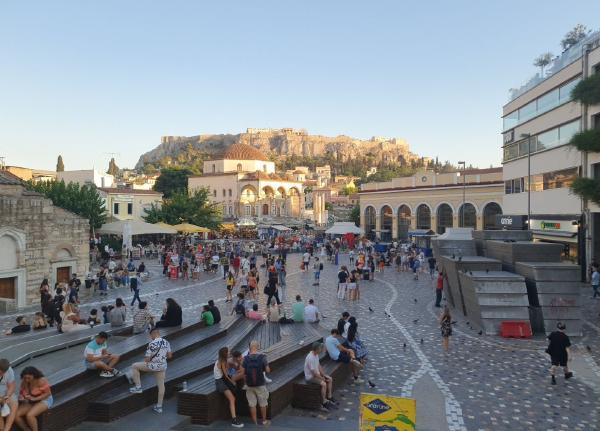
If Monastiraki feels loud and immediate, Kolonaki feels edited. You come here for a more composed version of the city: better coffee, calmer sidewalks, excellent museums, and the kind of Athens day built around wandering, not ticking boxes.
If you’re deciding whether Kolonaki Athens deserves a place in your trip, this guide covers what it is actually good for, what it costs, where to go, and whether it makes sense as a place to stay.
Kolonaki at a Glance#
| Question | Quick Answer |
|---|---|
| Best for | Couples, museum lovers, shoppers, repeat visitors, luxury travelers |
| Not ideal for | Tight budgets, travelers who want nightlife on every corner, anyone who wants to be closest to the Acropolis |
| Main vibe | Upscale, residential, polished, cafe-driven |
| Best-known landmarks | Lycabettus Hill, Benaki Museum, Museum of Cycladic Art, Dexameni Square |
| Walk to Syntagma | Roughly 10-15 minutes downhill |
| Walk to Acropolis area | Usually 25-35 minutes depending on route |
| Price level | Higher than most central Athens neighborhoods |
Where Exactly Is Kolonaki?#
Kolonaki sits between Syntagma and the lower slopes of Lycabettus Hill, northeast of the historic center. In practical terms, that means you are still central, but you are no longer in postcard-tourist Athens.
The neighborhood spreads uphill from the area around Vasilissis Sofias Avenue, Koumpari Street, Skoufa, Tsakalof, and Patriarchou Ioakeim. The lower edge feels closer to embassies, museums, and polished city-center life; the upper parts feel more residential and quietly affluent.
This is what makes Kolonaki useful. You can still reach the classic sights without much effort, but your home base feels calmer, cleaner, and more local-professional than visitor-focused.
If you’re still comparing neighborhoods, read our full Athens neighborhoods guide before you book.
What Kolonaki Feels Like#
Kolonaki is often described as Athens’ posh neighborhood, which is true but incomplete.
Yes, there are designer labels, expensive espresso, glossy shop windows, and people who look like they have somewhere important to be. But there is also a softer side to it: old apartment blocks with deep balconies, independent bookshops, small wine bars, and squares where the ritual is simply sitting down for coffee and staying there longer than planned.
It feels most like itself in the late morning and early evening.
In the morning, you’ll notice bakery bags on cafe tables, people walking dogs uphill, and locals treating coffee as an activity rather than a transaction. By early evening, the neighborhood shifts into aperitivo mode: shopping streets still active, museum-goers drifting out, and restaurants filling with a mix of Athenians, embassy staff, and travelers who wanted one night of Athens that feels a little more dressed up.
If your favorite version of a city break involves chaos, bargain shopping, and street food on every corner, Kolonaki may feel too composed. If your ideal day is museum, coffee, browse, dinner, then sunset from Lycabettus, it makes immediate sense.
Getting There and Getting Around#
Kolonaki is easy enough to use, but it helps to understand the geography before you book a hotel on the upper slope and discover what uphill in Athens really means.
By metro: The most useful station is Evangelismos on Line 3, especially for the eastern side of Kolonaki and museum access. Syntagma also works well for the lower part of the neighborhood.
From the airport: Metro Line 3 is the simplest public transport option. If you exit at Evangelismos, you can walk or take a short taxi depending on your luggage and the exact hotel location.
On foot: Kolonaki is very walkable, but not flat. Downhill into Syntagma is easy. The walk back up, especially in summer heat, feels longer than it looks on a map.
For Lycabettus Hill: You can hike up from the neighborhood or use the Lycabettus funicular from the lower station near Aristippou Street. The funicular is useful if you want the view without turning it into a workout.
What Kolonaki Is Known For#
Kolonaki does a few things unusually well by Athens standards.
1. Museum-hopping without crowds that feel overwhelming#
This is one of the best neighborhoods in the city for travelers who want culture built into the day. The Museum of Cycladic Art and the Benaki Museum are both serious reasons to come here, not just rainy-day backups.
2. Shopping that goes beyond tourist souvenirs#
Kolonaki is where you browse Greek designers, better-quality leather goods, jewelry, homeware, and understated boutiques that feel more adult than the souvenir-heavy center.
3. Sidewalk cafe culture#
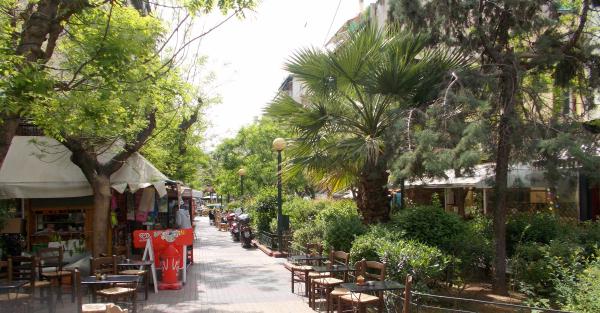
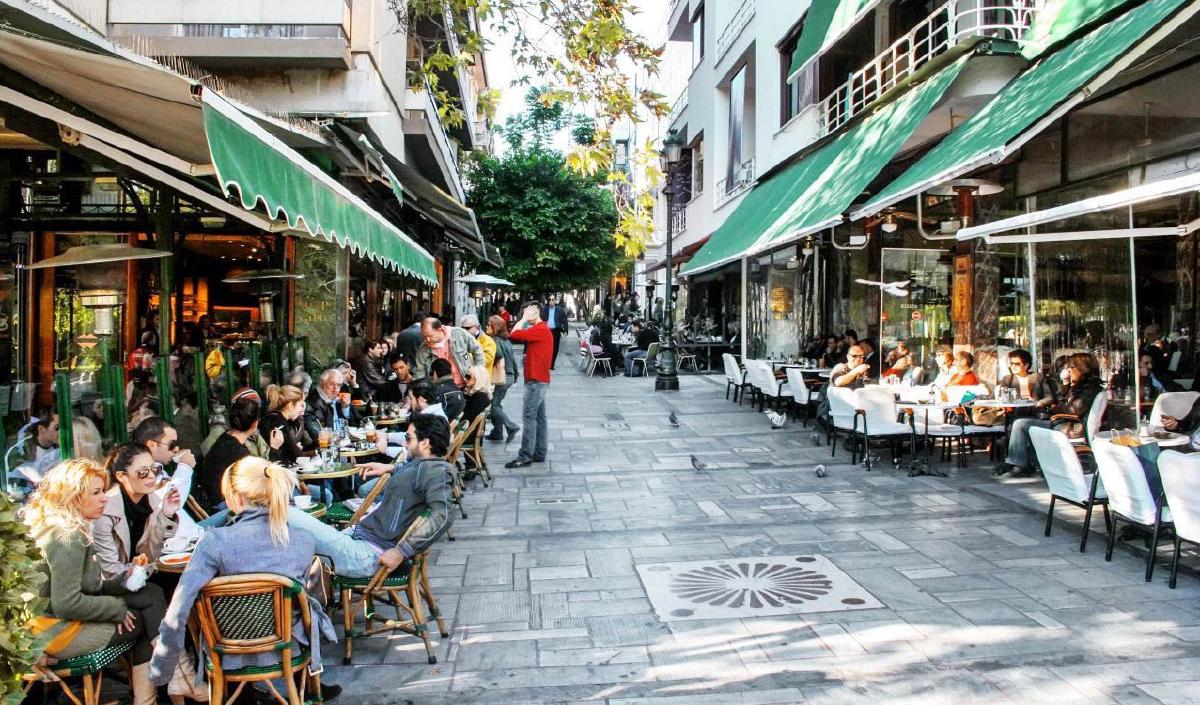
Athens is a cafe city everywhere, but Kolonaki does it with a bit more polish. You come here to sit, watch the neighborhood move around you, and pretend you don’t have anywhere else to be.
4. Easy access to Lycabettus Hill#
If you want one of the best panoramic views in Athens, Kolonaki gives you the cleanest route to it. The hill is the neighborhood’s natural dramatic finish.
Best Things to Do in Kolonaki#
Kolonaki works best when you let the neighborhood set the pace. It is less about a checklist and more about assembling a very good day.
1. Visit the Museum of Cycladic Art#
This is one of the most rewarding museums in Athens, especially if you like spaces that feel elegant and digestible rather than exhausting. The museum is best known for its Cycladic figurines, but the bigger reason to go is how clearly it frames Aegean civilization, ancient craft, and visual continuity.
Even travelers who are not “museum people” often end up liking this one because it is manageable, beautifully presented, and easy to pair with coffee or lunch nearby.
2. Spend time at the Benaki Museum#
The Benaki Museum of Greek Culture is one of the city’s deepest, smartest museums. If the Acropolis Museum gives you the headline version of ancient Athens, Benaki gives you the longer story: ancient, Byzantine, Ottoman, modern Greek, decorative arts, clothing, and the textured layers in between.
It rewards travelers who want context, not just icons.
If museums are a major part of your trip, pair Kolonaki with our Acropolis Museum guide.
3. Walk up or ride up Lycabettus Hill#
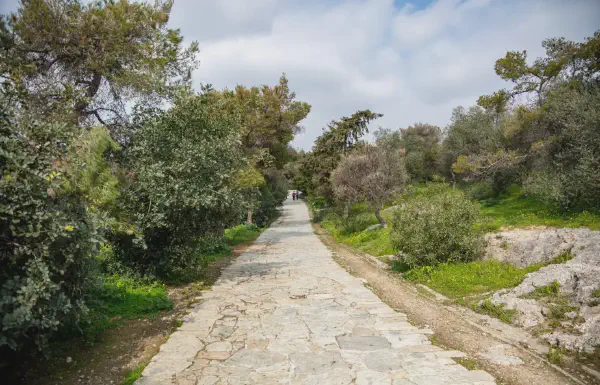
Lycabettus is the highest point in central Athens, and the view is worth doing at least once. You can hike it if you want a proper uphill walk through pine-shaded paths, or take the funicular and save your energy for the top.
The appeal here is not subtle. You get the whole basin of Athens laid out in front of you: Acropolis, sea haze, apartment grids, mountain edges, the city stretching farther than most first-time visitors expect.
Sunset is the obvious time, so expect company.
4. Linger around Kolonaki Square and Dexameni#
Plateia Kolonaki is useful for people-watching, but Dexameni Square often feels more memorable. It is smaller, more neighborhood-like, and has a stronger local rhythm. If you want Kolonaki without the most polished version of Kolonaki, start there.
5. Browse the shopping streets#
If you enjoy urban wandering with a purchase threshold higher than magnet-and-postcard level, Kolonaki is one of the better shopping neighborhoods in Athens. Streets like Voukourestiou, Tsakalof, and Patriarchou Ioakeim mix international brands with local labels, shoe stores, jewelry, and more thoughtful gift hunting than you’ll usually get in Plaka.
6. Catch an open-air cinema in season#
Kolonaki has one of those classic Athens pleasures that feels better than it sounds on paper: an outdoor summer cinema after a long, hot day. It is the kind of neighborhood where a late screening and a cold drink can become the best part of the evening.
For broader city ideas, see our full things to do in Athens guide.
Best Cafes in Kolonaki#
Kolonaki is one of the easiest neighborhoods in Athens for coffee people.
The advantage here is not that every cafe is a hidden gem. It is that even ordinary stops are often set up for lingering. Tables spill into squares, service assumes you’re staying, and the whole neighborhood is built around the social theater of sitting outside.
For a stylish all-day stop#
Philos Athens is one of the better-known polished addresses in the area, and for good reason. It works well for breakfast, brunch, or a slow afternoon reset when you want something more refined than a quick coffee stop.
For a more local-feeling coffee pause#
Head toward Dexameni Square, where the pace feels less performative and more lived-in. This is the sort of place to sit with a freddo espresso and let Kolonaki come to you rather than chasing specific landmarks.
For travelers who want the neighborhood at its best#
Come in the morning, before lunch service starts and before the shopping streets fully wake up. The neighborhood feels softer then, and you get the version of Kolonaki that residents actually use.
Where to Eat in Kolonaki#
Kolonaki is not the neighborhood for your cheapest meal in Athens. It is, however, a good neighborhood for lunches that turn into long afternoons and dinners where the extra spend usually buys you better setting, calmer service, and stronger wine lists.
What the dining scene does well#
- polished all-day dining
- modern Greek restaurants
- wine bars and cocktail spots
- smarter casual food than the center’s obvious tourist strips
What to expect#
Prices are higher than in Koukaki, Psyrri, or Monastiraki, and that is part of the deal. The neighborhood attracts Athenians who are coming here on purpose, not just visitors who happened to stop walking.
If you want to eat well without quite as much price pressure, compare Kolonaki with our guides to where to eat in Athens and Monastiraki.
A useful rule#
Kolonaki is best when you do not chase the most hyped reservation in the neighborhood. A good cafe lunch, a glass of wine, and a later dinner elsewhere can make more sense than forcing every meal here.
Kolonaki Nightlife and Evening Atmosphere#
Kolonaki is lively, but not wild.
This is not Psyrri, and it is not trying to be. The evening mood is more terrace cocktails, date-night dinners, and polished bars than all-out bar-hopping. That makes it especially good for travelers who want an evening out without noise right below the hotel window until 3 AM.
One of the neighborhood’s strengths is that it gives you options. You can do museum, shopping, and coffee by day, then shift into drinks or a nicer dinner without changing neighborhoods. And if you want a bigger finish, Lycabettus is right there.
For travelers prioritizing bars and late nights, our Athens nightlife guide is a better fit.
Where to Stay in Kolonaki#
Kolonaki is one of the best areas in Athens if you want your hotel to feel like part of the trip rather than just a sleeping base.
The case for staying here is simple:
- better hotel atmosphere
- quieter streets than the historic center
- strong museum and dining access
- a more polished version of Athens life
The case against it is also simple:
- higher nightly rates
- fewer of the classic postcard sights on your doorstep
- more uphill walking
Best for luxury and boutique travelers#
If you already know you do not want to stay in the thick of Plaka or Monastiraki, Kolonaki makes a lot of sense. It especially suits couples, return visitors, business-leisure trips, and anyone who likes ending the day somewhere that feels calm and well put together.
Hotel picks#
St George Lycabettus
The classic Kolonaki splurge. You stay on the slopes of Lycabettus, get the panoramic advantage that comes with it, and trade a little extra walking for a much more serene base than the old town.
Periscope Hotel
Good fit if you want a smart boutique stay right inside Kolonaki rather than on its edge. This works especially well for couples and short city breaks where location and neighborhood feel matter more than resort-style facilities.
Coco-Mat Hotel Athens
One of the more design-forward stays in the area, with an easy position for shopping, cafe-hopping, and moving between Kolonaki and central Athens. A strong choice if style is part of the booking decision.
If you want a broader comparison before committing, use our main where to stay in Athens guide.
Is Kolonaki Worth Visiting?#
Yes, but the answer depends on what kind of Athens trip you want.
Kolonaki is worth it if:#
- you like museums as much as monuments
- you want one neighborhood that feels polished and easy
- you enjoy shopping, cafe culture, and slower city days
- you are willing to pay a bit more for atmosphere
Kolonaki may not be your best base if:#
- your budget is tight
- this is a very short first trip and you want maximum old-town atmosphere
- you care more about street energy and cheap eats than refinement
My honest take#
Kolonaki is not the neighborhood that usually steals the trip on day one. It grows on you.
For first-timers, I would usually prioritize Plaka, Koukaki, or Monastiraki for sheer sightseeing convenience. But for travelers who want one part of Athens that feels elegant, lived-in, and easy to return to each afternoon, Kolonaki can become the neighborhood they remember most fondly.
Practical Tips for Visiting Kolonaki#
Wear better shoes than you think you need#
Nothing here is extreme, but the slopes, pavements, and stair-heavy routes around Lycabettus are enough to punish flimsy sandals.
Use Kolonaki in the hotter part of the day#
This is a smart neighborhood for museum time, coffee, lunch, and indoor browsing when the exposed archaeological sites feel too hot. Save the Acropolis climbs for earlier or later.
Do not confuse “close on the map” with “easy uphill”#
Kolonaki is central, but the return walk can feel longer than the outbound walk. This matters most if you are carrying shopping, traveling with older relatives, or visiting in July or August.
Treat it as a contrast neighborhood#
Kolonaki works especially well when paired with a grittier, busier part of Athens. Spend a morning in the center, then give yourself a different register here: calmer, sharper, less crowded.
Frequently Asked Questions#
Is Kolonaki a good area to stay in Athens?#
Yes, especially for travelers who want a more refined and quieter base with good cafes, museums, and upscale hotels. It is less convenient than Plaka or Monastiraki for constant sightseeing on foot, but more comfortable and polished.
What is Kolonaki known for?#
Kolonaki is known for luxury shopping, cafe culture, major museums, and access to Lycabettus Hill. It is one of the most upscale neighborhoods in central Athens.
Is Kolonaki expensive compared with the rest of Athens?#
Yes. Coffee, restaurants, and hotels in Kolonaki are generally pricier than in Koukaki, Psyrri, or Monastiraki. Still, many travelers find the extra spend justified by the quieter atmosphere and stronger hotel quality.
Can you walk from Kolonaki to Syntagma?#
Easily. The walk downhill usually takes around 10-15 minutes depending on where you start. Walking back up is slower, especially in warm weather.
Is Kolonaki better than Plaka?#
They do different jobs. Plaka is better for first-time classic-Athens atmosphere and immediate proximity to the Acropolis. Kolonaki is better for travelers who want museums, shopping, comfort, and a more polished local feel.
Final Verdict#
Kolonaki is not Athens at its loudest, cheapest, or most instantly dramatic. It is Athens with a pressed shirt on.
That can sound unappealing until you actually need it: a calmer hotel, a better coffee, a museum that resets your brain, a dinner that feels adult, a hillside sunset that lets the whole city snap back into view. For the right traveler, that is exactly the version of Athens that makes the trip feel complete.