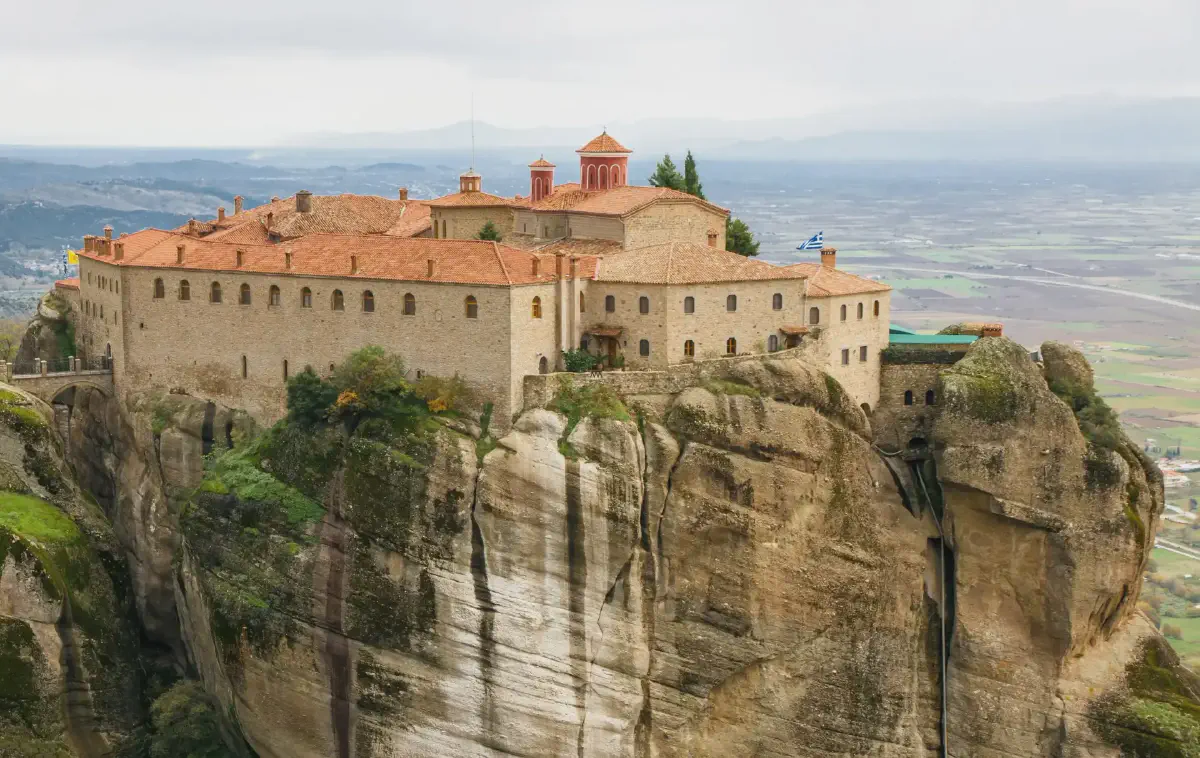
I’m going to be straight with you: the first time I saw Meteora, I nearly dropped my phone trying to take a photo out of the bus window. Monasteries balanced on massive rock pillars, hundreds of meters above the ground, looking like they were placed there by giants. It’s genuinely one of the most spectacular things I’ve ever seen.
But here’s the part nobody puts in the headline — it’s a long day from Athens. So let me give you the honest breakdown of whether a Meteora day trip from Athens is actually worth it.
The Honest Assessment#
Distance: 350 km (220 miles) from Athens Driving time: 4-4.5 hours each way Total day: 12-14 hours
Is it worth it? I think so, yes — but with a big caveat. Meteora is spectacular in a way that very few places on Earth are. However, you will spend more time on the bus than at the actual monasteries. If you have two days to spare, staying overnight is a completely different (and much better) experience.
Quick Comparison#
| Option | Duration | Price | Best For |
|---|---|---|---|
| Full-Day Tour | 12-14 hours | €85-120 | Convenience |
| Train + Local Tour | 10-12 hours | €70-90 | Budget, flexibility |
| Private Tour | 13-14 hours | €400-600 | Families, custom |
| Overnight Trip | 2 days | €180-250 | Best experience |
| Self-Drive | Flexible | €50 + car rental | Full freedom |
My Honest Recommendation: Stay Overnight If You Can#
Full-Day Tour (Most Popular)#
This is what most people do — leave Athens early morning, spend several hours at Meteora, and get back by evening. It works, but be ready for a marathon day.
What’s Included#
- Round-trip transport from Athens (comfortable bus)
- Professional English-speaking guide
- Entrance to 2 monasteries (sometimes 3 if the timing works)
- Photo stops at panoramic viewpoints
- Usually lunch in Kalambaka
- Some tours stop at Thermopylae on the way back (where the Leonidas statue is — pretty cool for history buffs)
Typical Schedule#
| Time | Activity |
|---|---|
| 7:00 AM | Depart Athens |
| 11:30 AM | Arrive Meteora area |
| 12:00-3:00 PM | Visit 2 monasteries + viewpoints |
| 3:00-4:00 PM | Lunch in Kalambaka |
| 4:30 PM | Begin return journey |
| 7:00 PM | Stop at Thermopylae (some tours) |
| 9:00-10:00 PM | Arrive Athens |
Pros#
- Zero planning required — just show up
- Comfortable transport (most buses have decent legroom)
- Guide fills in the history, which makes the monasteries much more meaningful
- They know which monasteries are open on which days
Cons#
- Very, very long day
- Limited time at Meteora itself
- You’ll only see 2 of the 6 monasteries
- You will be tired. Coffee helps.
Meteora Full-Day Tour from Athens
Visit the stunning Meteora monasteries on a full-day tour from Athens. See 2 monasteries, enjoy panoramic viewpoints, and have lunch in Kalambaka. Comfortable coach with professional guide.
Also on Viator: Book a Meteora tour on Viator →
Train + Local Tour (Best Value)#
This is my favorite option for people who like a bit of independence. Take the train to Kalambaka, then join a local tour when you get there.
How It Works#
- Morning train from Athens to Kalambaka (about 4 hours)
- Join a half-day local tour of the monasteries (3-4 hours)
- Evening train back to Athens
Details#
| Train cost | €25-40 each way (book at trainose.gr) |
| Local tour cost | €30-50 |
| Total cost | €80-130 |
| Time at Meteora | 4-5 hours |
Pros#
- You actually get more time at Meteora than on bus tours
- The train ride through central Greece is beautiful — rolling farmland, small towns, mountain views
- Generally cheaper than organized day tours
- More flexibility if you want to wander on your own
Cons#
- Requires some planning and coordination with schedules
- Train times may not align perfectly
- You’re on your own for the train portions
What You’ll See at Meteora#
The Monasteries#
Six monasteries remain active out of an original 24. Each one has its own character:
| Monastery | Highlights | Accessibility |
|---|---|---|
| Great Meteoron | Largest, most impressive, has a museum | Many stairs |
| Varlaam | Second largest, beautiful frescoes | Many stairs |
| Rousanou | Dramatic cliff-edge position, smaller | Moderate |
| St. Stephen | Easiest access (bridge entry, no stairs), run by nuns | Bridge entry |
| St. Nicholas Anapafsas | Frescoes by Theophanes | Stairs |
| Holy Trinity | Most dramatic location — the James Bond one | Many stairs |
Most tours visit 2 monasteries — usually Great Meteoron and either Varlaam or St. Stephen. If you have mobility issues, ask your tour specifically about St. Stephen — it’s the only one without serious stairs.
The Landscape#
I’ll be honest: the monasteries are impressive, but the landscape is the real showstopper. Massive sandstone pillars shooting up 400 meters from a flat plain — geological formations that took millions of years to form. The first time you see them from the road, you’ll understand why medieval monks thought this was the closest place to God.
Don’t miss:
- Sunset viewpoint (if doing overnight — the rocks turn orange-red)
- Panoramic photo stops (every tour includes these, and they’re worth every minute)
- The winding drive up through the rock formations
Important: The Dress Code#
Meteora monasteries enforce a strict dress code, and they really do turn people away:
Required:
- Knees covered (no shorts)
- Shoulders covered
- Women: long skirt or pants
What happens if you forget? Most monasteries have wrap skirts you can borrow at the entrance. But honestly, just wear long pants and save yourself the hassle. I’ve seen people fumbling with borrowed wraps in the wind — not fun.
Best Time to Visit Meteora#
By Season#
| Season | Weather | Crowds | Notes |
|---|---|---|---|
| Spring (Apr-May) | Mild, everything is green | Moderate | Excellent choice |
| Summer (Jun-Aug) | Hot (but cooler than Athens) | Heavy | Start early |
| Fall (Sep-Oct) | Perfect weather | Moderate | My favorite time |
| Winter (Nov-Mar) | Cold, possible fog | Light | Fog adds an almost mystical atmosphere |
Monastery Opening Hours#
Here’s something that catches people off guard — each monastery closes on a different day:
- Great Meteoron: Closed Tuesday (winter: Tue-Wed)
- Varlaam: Closed Friday
- Rousanou: Closed Wednesday
- St. Stephen: Closed Monday
- Holy Trinity: Closed Thursday
- St. Nicholas: Closed Friday
Summer hours: Generally 9 AM - 5 PM Winter hours: Generally 9 AM - 4 PM
Organized tours handle this for you, but if you’re going independently, double-check which day you’re visiting.
The Overnight Option (What I Actually Recommend)#
If you have 2 days, spending a night transforms this from a rushed day trip into one of the highlights of your Greece trip.
What You Gain#
- Sunset at Meteora — The rocks glow this incredible orange-red color
- Sunrise — Mist rising between the pillars. Genuinely magical.
- More monasteries — Visit 4-6 instead of just 2
- You actually enjoy it — Rather than checking your watch for the bus departure
- Local dining — Evening in Kalambaka or the tiny village of Kastraki
How to Do It#
Option 1: Organized 2-day tour
- Includes transport, accommodation, guide, meals
- Price: €180-280 per person
- Easiest approach
Option 2: DIY overnight
- Train or bus to Kalambaka
- Stay in Kalambaka or Kastraki village
- Book a local tour or explore at your own pace
- Return next day
Where to stay: Kastraki village is smaller and more atmospheric — it sits right at the base of the rocks. Kalambaka is bigger with more hotel and restaurant options. I’d pick Kastraki for the views.
Frequently Asked Questions#
Is Meteora worth the long day trip?#
If you can’t do overnight, yes — absolutely. The scenery is unlike anything else you’ll see in Greece (or most of Europe, honestly). Just go in knowing it’s a long day and you’ll be fine.
How many monasteries can you visit in a day trip?#
Realistically 2, maybe 3 if your tour is well-organized and the timing works out. To visit more, you need the overnight option.
Is Meteora better than Delphi?#
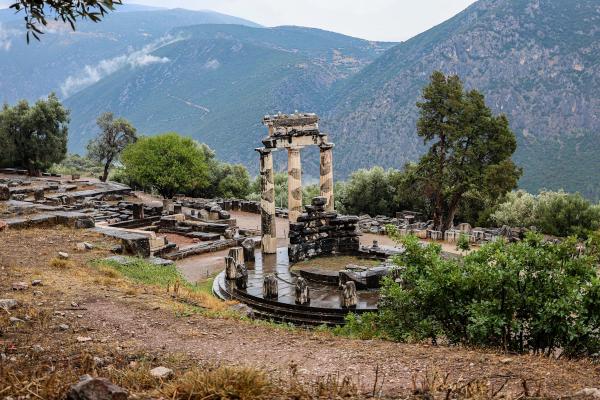
They’re completely different experiences. Delphi is about history and mythology — standing where the Oracle once prophesied. Meteora is about jaw-dropping natural scenery and the sheer audacity of building monasteries on top of those rocks. If you can only pick one day trip, I’d say Meteora is more unique — there’s simply nothing else like it.
Can I drive myself to Meteora?#
Yes. It’s about 4-4.5 hours from Athens via the highway. Gives you total flexibility, but it means a lot of driving in one day. I’d only recommend self-driving if you’re doing the overnight option.
Is there hiking at Meteora?#
Yes — there are trails connecting the monasteries and villages. With an overnight stay, you can hike between monasteries instead of driving. It’s a fantastic way to appreciate the scale of the rock formations up close.
Are the monasteries still active?#
Yes — monks and nuns still live and worship here. You’re visiting active religious sites, so respectful behavior (and that dress code) isn’t optional.
What to Bring#
- Comfortable walking shoes — Lots and lots of stairs
- Modest clothing — Long pants or skirt, covered shoulders
- Water — Limited availability at the monasteries themselves
- Snacks — It’s a long day and food stops can be brief
- Camera — You already know
- Cash — For monastery entry fees (~€3 each), lunch, tips
- Layers — It’s up in the mountains, so weather can shift quickly
The Bottom Line#
If you have only one day: Book a full-day tour. Yes, it’s long. Yes, you’ll be tired. But Meteora is worth seeing even briefly — it’s that spectacular.
If you can stay overnight: Please do. Sunset, sunrise, more monasteries, and a pace that lets you actually absorb the place. It transforms the experience completely.
On a budget: Take the train to Kalambaka and join a local tour. You get more time at Meteora, the train ride is enjoyable, and it costs less overall.
Meteora is one of those places where photos genuinely don’t do it justice. The scale of the rocks, the improbability of the monasteries perched on top, the spiritual stillness — it’s worth every hour of the journey.
Planning more day trips? Check out our guides to Delphi tours and all Athens day trips.