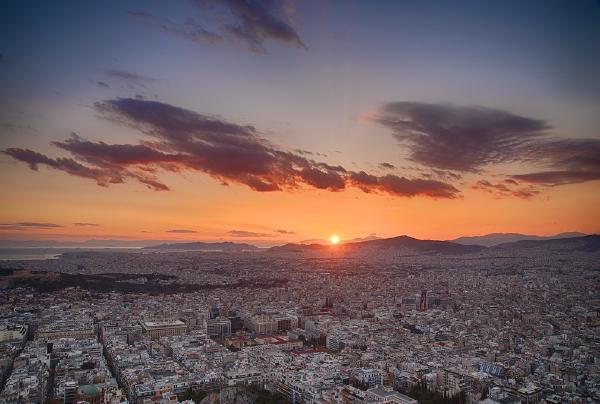
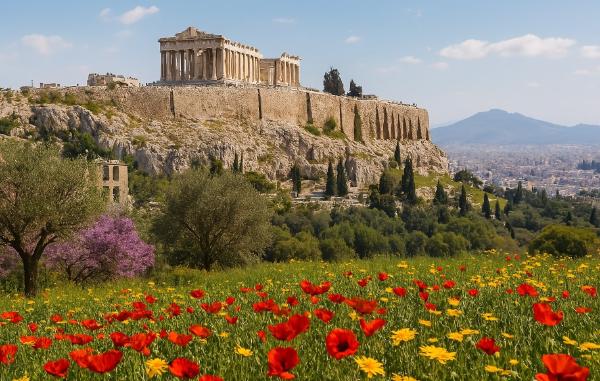
ℹ️ TL;DR: Athens in summer 2026 is hot (31°C in June, 33°C in July-August) but absolutely doable with the right strategy: Acropolis at 8 AM opening before the heat builds, rest from 1-4 PM in air-conditioned museums or your hotel, then back out for evenings which are glorious. The beach is 35 minutes from central Athens by tram. June and September are the best summer-adjacent months — warm sea, smaller crowds. The first time you step out into Athens in summer, the city hits you all at once. The white stone throws the light back in your face. The air smells faintly of hot pine, dust, and sunscreen. By late morning, the marble around the Acropolis feels warm enough to radiate through your shoes, and by 2 PM even very confident travelers start hunting for shade like locals do.
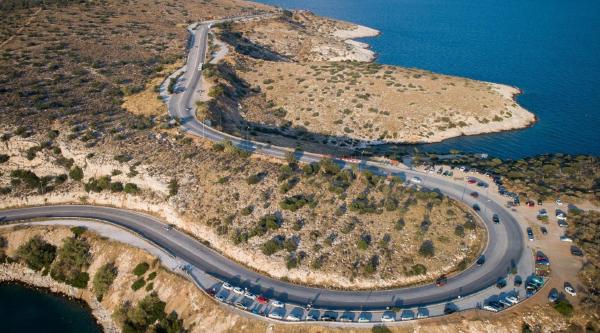
ℹ️ TL;DR: You don’t need a car in Athens city — the metro and taxis work well. But for day trips and the Peloponnese, a rental car is transformative. Expect €30-60/day for a compact car at Athens Airport (book 2-4 weeks ahead for best prices). Always take the full insurance excess waiver (€10-20/day extra — worth it). The Sounion coastal road and the Peloponnese highway are spectacular drives. I’ll be honest: you don’t need a car in Athens. The metro is excellent, taxis are cheap, and driving in the city center is a blood-pressure event. But once you want to leave Athens — to chase a sunset at Cape Sounion, explore the Peloponnese, or hit beaches that buses don’t reach — a rental car changes everything.
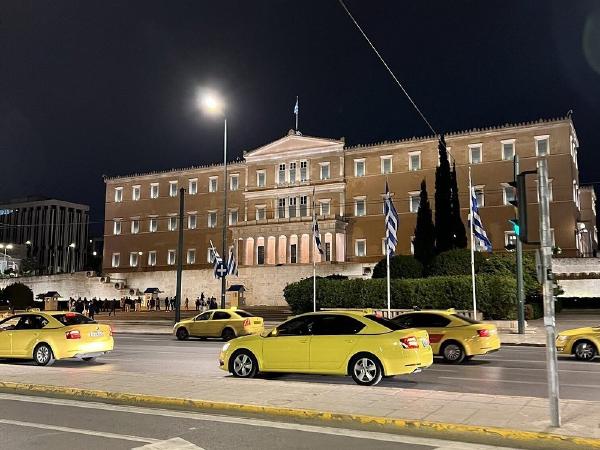
ℹ️ TL;DR: The best way to get a taxi in Athens in 2026 is Bolt or Uber — both work well, show the price upfront, and eliminate language barriers. Airport flat rate: €40 (day) or €55 (night) for licensed taxis; Bolt and Uber run €33-50. For short city rides, taxis cost €4-7 and are cheap. If hailing on the street, shout your destination as the cab slows — the driver will signal yes or no. The first time I tried to hail a taxi in Athens, I stood on the sidewalk for ten minutes while occupied cabs blew past me. The empty ones? They slowed down, I said my destination, and two of them drove away without a word. Welcome to Athens.
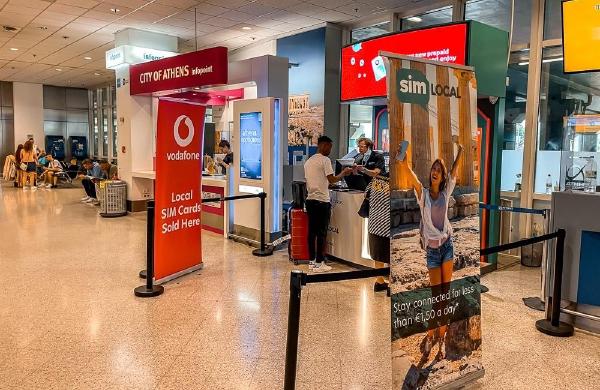
ℹ️ TL;DR: The easiest way to get data in Greece in 2026 is an eSIM from Airalo or Holafly — install before you fly, activate on landing, 5-10 GB for €5-15. EU travelers get free roaming with their home plan. For longer stays, buy a physical Cosmote or Vodafone SIM at Athens Airport (€10-20 for 5-15 GB, passport required). Mobile coverage in Athens and main tourist areas is excellent (4G/5G). I landed in Athens at midnight on my first trip, exhausted, with no data on my phone. Couldn’t pull up my hotel address, couldn’t check if the airport bus was still running, couldn’t message anyone. I ended up paying a taxi driver whatever he asked because I had no way to verify the fare. Never again.
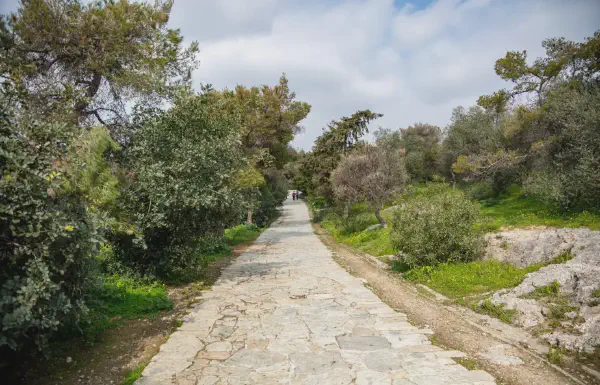
ℹ️ TL;DR: Thissio is Athens’ most scenic and calm central neighborhood in 2026 — a long pedestrian promenade with direct Acropolis views, immediate access to the Ancient Agora and Filopappou Hill, and excellent sunset cafes. Served by Thissio Metro (Line 1). Best for travelers who want calm, views, and walkable ancient sites. Quieter nightlife than Psyrri, more space than Plaka. If Monastiraki feels like Athens with the volume turned all the way up, Thissio feels like the moment you step half a block away, exhale, and realize the Acropolis is still right there.
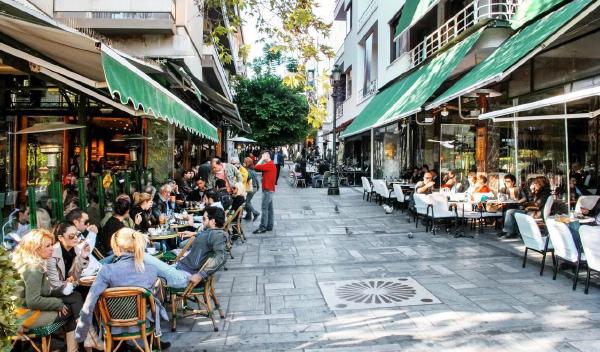
ℹ️ TL;DR: Kolonaki is Athens’ upscale neighborhood in 2026 — shaded cafe squares, boutique shopping, world-class museums (Benaki Museum, Museum of Cycladic Art), and the cable car up Lycabettus Hill. It’s pricier than other neighborhoods (€€€ for most things) but more affordable than comparable upscale districts in Western Europe. Excellent for a half-day or full day even if you’re based elsewhere in Athens. Kolonaki is the part of Athens that tends to win people over slowly.
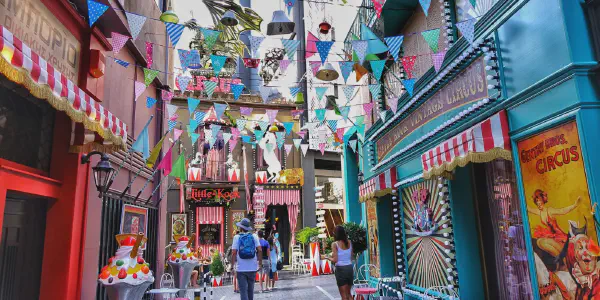
ℹ️ TL;DR: Psirri is Athens’ best nightlife and creative food district in 2026 — cocktail bars, live music, street art, and tavernas that fill from 10 PM and run until 2-3 AM. Central location, 15-25 min walk to the Acropolis. The neighborhood is lively and generally safe. Best for: travelers who want bar-and-taverna energy within walking distance of the Acropolis and Monastiraki. Light sleepers: choose Koukaki instead. If Monastiraki is where Athens announces itself, Psirri is where it loosens its collar.
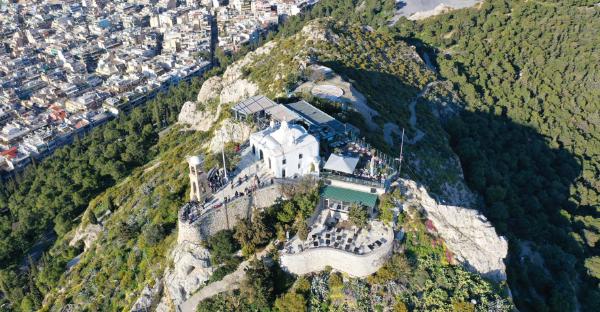
ℹ️ TL;DR: Athens is more outdoorsy than its reputation suggests in 2026. Best free activities: hike Lycabettus Hill (30 min, panoramic city views), sunset at Filopappos Hill (direct Acropolis view), and swim at Athens Riviera beaches (35 min by tram). For active paid experiences: kayaking at Cape Sounion, e-bike tours through the ancient sites, and sailing day trips to the Saronic islands. Most people think of Athens as an ancient-ruins-and-tavernas city. They’re not wrong, but they’re missing something. Athens is hemmed in by hills to the north and coastline to the south, which means you can hike to a panoramic viewpoint, swim in the Aegean, and eat souvlaki on a rooftop all in the same day — without ever needing a car.
ℹ️ TL;DR: Greek Orthodox Easter 2026 falls on April 12 (Holy Week: April 6-12). The two unmissable events: the Epitaphios candlelit procession on Good Friday (April 10) through Athens streets, and the midnight Resurrection service (April 11, just before midnight) which erupts in fireworks and bells. Most shops and museums close Easter Sunday. Athens is an excellent place to experience Holy Week — smaller villages add communal warmth if you can combine both. Greek Easter is not like any Easter you have experienced before. Forget chocolate eggs and Sunday brunch. This is a week-long build-up of fasting, candlelit processions through darkened streets, a midnight Resurrection service that erupts in fireworks and church bells, and then a Sunday feast centered around a whole lamb turning slowly on a spit while families gather on balconies and in parks across the city.
ℹ️ TL;DR: Spring (March-May) is the best time to visit Athens in 2026 — mild weather (14-28°C), fewer crowds than summer, lower hotel prices, and comfortable all-day sightseeing. April and May are the sweet spot. Greek Orthodox Easter (April 12, 2026) adds extraordinary atmosphere — the midnight Resurrection service is one of the most memorable things you can witness in Greece. Spring is when Athens stops being a destination and starts being the city everyone imagines when they close their eyes and think of Greece. The light changes. The temperature shifts from cool mornings into warm, golden afternoons. The outdoor cafes fill up, the archaeological sites empty out, and the whole city starts living outside again.
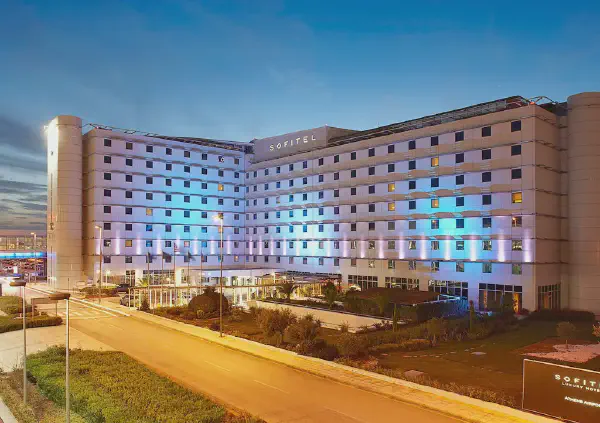
ℹ️ TL;DR: A hotel near Athens Airport makes sense only if your flight leaves before 8 AM or arrives after midnight. Otherwise, the metro takes 40 minutes to central Athens for €9 — stay in the city instead. If you do need an airport hotel, the Sofitel Athens Airport is connected by a covered walkway; other options in Spata are 5-15 min by free shuttle (€10-15 taxi). There are exactly two kinds of travelers who need a hotel near Athens Airport: people with a 6 AM departure who dread the 4 AM taxi from Plaka, and people landing after midnight who just want a bed without navigating an unfamiliar city half asleep.
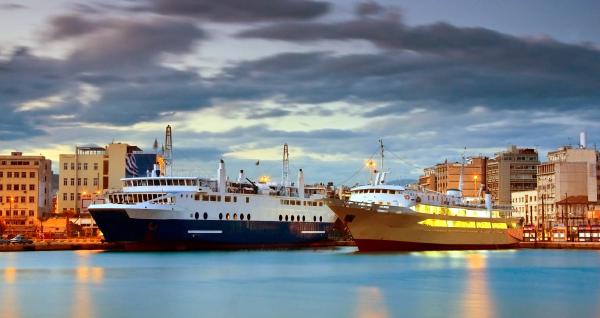
ℹ️ TL;DR: Greek island hopping from Athens in 2026 starts at Piraeus port, which connects to 50+ islands. The classic route — Athens → Mykonos → Santorini — takes 5-7 days with ferry tickets from €35 per leg. Book high-speed ferries to Mykonos and Santorini 1-2 weeks ahead in summer. Budget around €500-700/person for a 7-day island hop including ferries, accommodation, and food. Athens sits at the center of the Greek ferry network like a hub with a hundred spokes. Piraeus and Rafina — the two main ports — connect you to dozens of islands across the Aegean, and once you’re out there, the islands connect to each other. That’s the magic of island hopping in Greece: you’re not booking a single destination. You’re building a route.