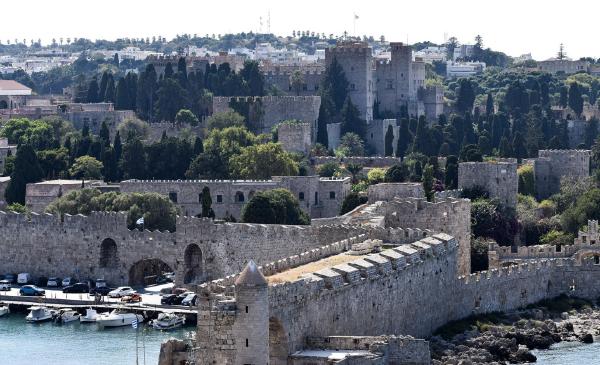
ℹ️ TL;DR: Athens to Rhodes in 2026: fly (55 minutes, €55-200 with Aegean or Sky Express — the recommended option) or overnight ferry from Piraeus (14-18 hours, €40-85 + cabin €20-40 — only worth it if you enjoy the experience). Rhodes Old Town (UNESCO World Heritage) is extraordinary — budget at least 4-5 days on the island. Book flights 3-6 weeks ahead in summer. Rhodes is a long way from Athens. That’s the first thing to know — roughly 430 kilometers southeast, nearly at the Turkish coast, sitting at the far end of the Dodecanese chain like a full stop at the end of a sentence. It’s the kind of distance that makes the ferry-vs-flight question feel less like a preference and more like a genuine logistical decision.
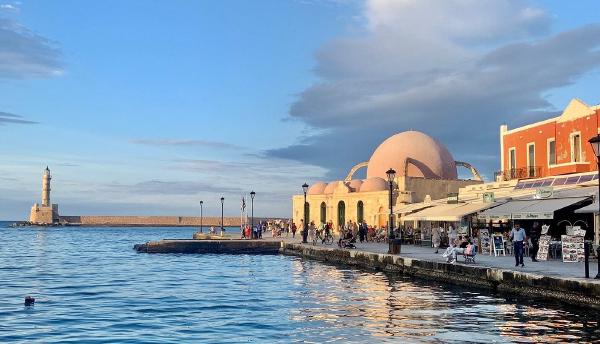
ℹ️ TL;DR: From Athens to Crete in 2026: flights take 50 minutes to Heraklion or Chania (€40-180, book 3-6 weeks ahead). The overnight ferry from Piraeus takes 9 hours (economy from €30, cabins from €60) — departs around 9 PM, arrives 6 AM, and lets you save a hotel night. Fly for short trips; take the ferry for longer stays, especially if bringing a car. Crete is Greece’s largest island and it doesn’t feel like an island at all. It feels like a small country. Mountain gorges, Minoan palaces 4,000 years old, beaches that look photoshopped, and a food culture that puts most of mainland Greece to shame. The Cretans have their own accent, their own cheese, their own spirit (raki — they’ll pour you one whether you ask or not), and a fierce pride that makes sense the moment you arrive.
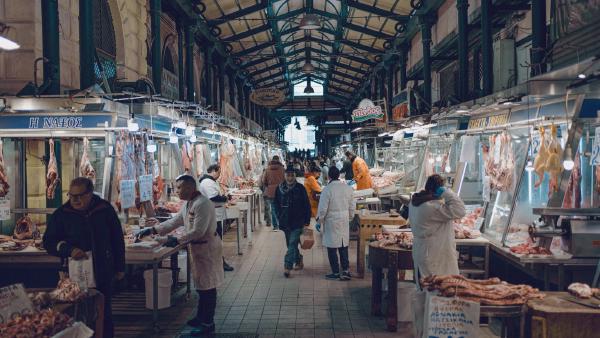
ℹ️ TL;DR: Athens has two essential markets in 2026. Varvakeios Central Market (Athinas Street, open Mon-Sat, best weekday mornings): a working wholesale food market since 1886 with meat, fish, cheese, olive oil, and spice vendors — the most authentic food experience in the city. Monastiraki Flea Market: daily for browsing, Sundays for antiques and vintage at their best. Take a food tour to navigate Varvakeios properly. The smell hits you first. Not unpleasant — more like a wall of olive oil, dried oregano, fresh fish, and raw meat all mingling together in a building that’s been doing exactly this since 1886. That’s Varvakeios, Athens’ Central Market, and walking through it for the first time made me realize how disconnected I’d become from where food actually comes from.
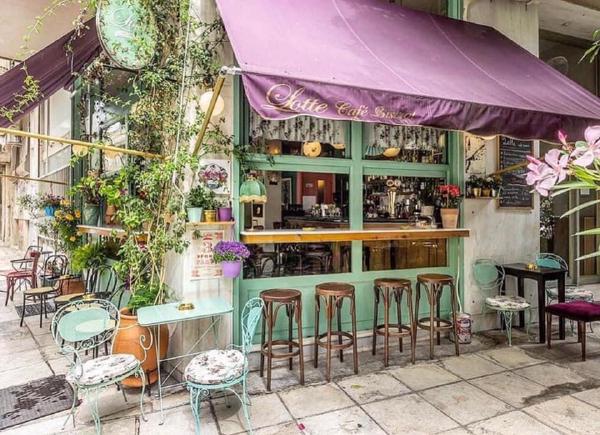
ℹ️ TL;DR: Athens has a thriving brunch scene in 2026 at genuinely good prices — €10-18/person for a full brunch spread (much cheaper than London or New York). Best neighborhoods: Koukaki (Lotte Cafe-Bistro), Monastiraki (Tailor Made), Kolonaki (Nice n Easy). Weekend brunch runs 9 AM to 4-5 PM. Pair food with a freddo cappuccino — the quintessential Athens coffee order. Here’s what nobody told me before my first Athens trip: this city didn’t really do brunch five years ago. Weekends meant a freddo cappuccino and maybe a koulouri from a street cart. Then something shifted — a wave of Melbourne-inspired cafes, a couple of New York expats, and a generation of Athenians who decided that eggs Benedict and a €6 bloody mary on a Sunday sounds pretty excellent.
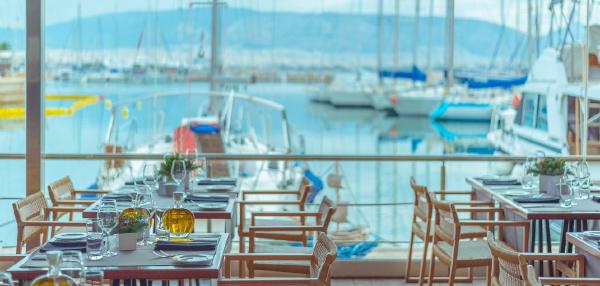
ℹ️ TL;DR: The best fresh seafood in Athens in 2026 is at Piraeus port — specifically Mikrolimano (Little Harbor), where tiny tavernas serve morning-catch fish by the kilo (€15-35/kg, budget €25-40/person for a full meal). In central Athens, look for places with fish on ice at the entrance, not laminated photo menus. Margaro and Kollias at Piraeus are legendary local spots. The first time I ordered fish in Athens, I made every mistake possible. I sat down at a tourist restaurant near Monastiraki, pointed at something on the menu, and got a plate of frozen, overcooked sea bream that could have come from anywhere. The bill was €38 for a single fish. I still think about it with a small amount of rage.
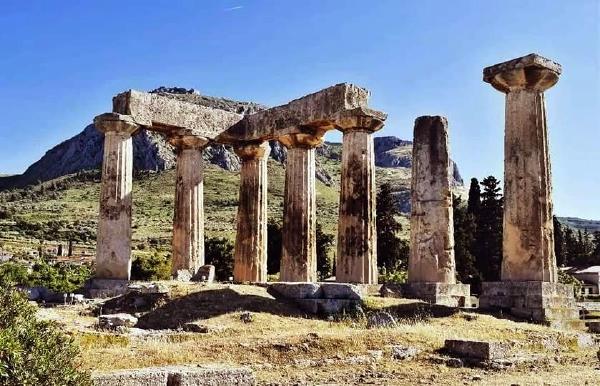
ℹ️ TL;DR: Ancient Corinth is Athens’ most underrated day trip in 2026 — 80 km, 1 hour by car. Site entry €8 (includes the excellent museum). Acrocorinth fortress is free. Half-day covers the ruins and the Corinth Canal photo stop; add Acrocorinth for a full day with panoramic Peloponnese views. Best combined with Nafplio for an overnight Peloponnese trip. I wasn’t expecting much from Ancient Corinth. Honestly, I’d driven past it twice before on the way to Nafplio and never bothered stopping. “It’s just some Roman columns,” a friend told me. “You’ve already seen the Acropolis — what’s the point?”
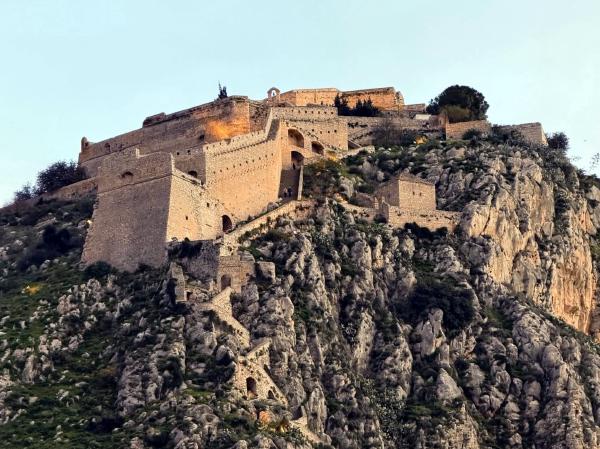
ℹ️ TL;DR: Nafplio is the most charming day trip from Athens in 2026 — 140 km, 1.5 hours by car or 2.5 hours by bus. Highlights: Palamidi Fortress (999 steps, €8 entry), the Venetian old town, and Bourtzi island castle. Best visited April-June or September-October. Overnight in Nafplio is significantly better than a day trip if your schedule allows it. The first time I walked into Nafplio’s old town, I thought I’d accidentally left Greece and ended up in Italy. Narrow streets lined with bougainvillea, Venetian balconies dripping with iron lacework, a fortress on every hill. Then a yiayia handed me a bag of loukoumades from a corner shop and I remembered exactly where I was.
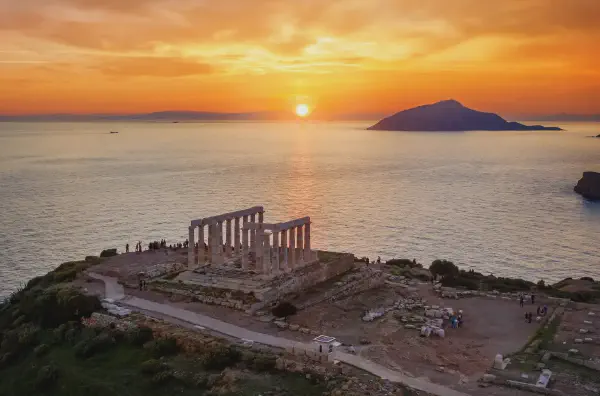
ℹ️ TL;DR: Cape Sounion is the perfect Athens half-day trip in 2026 — 70 km from the city, 1 hour by car along a stunning coastal road. The Temple of Poseidon (€10 entry) overlooks the Aegean from a 60-metre cliff, and the sunset here is one of Greece’s most spectacular. Organized tours from €55 include hotel pickup. The KTEL bus (€7 each way) is the budget option. There’s a moment at Cape Sounion — right around 7:30 in the evening in summer — when the sun hits the marble columns of the Temple of Poseidon and the whole thing glows amber against a deep blue sea. Nobody talks. Everyone just watches. I’ve seen it three times now and I still get chills.
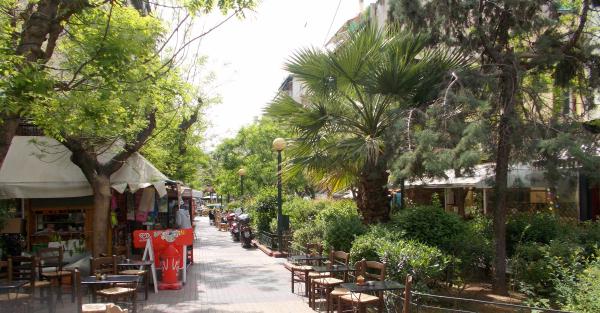
ℹ️ TL;DR: Koukaki is the best neighborhood to stay in Athens in 2026 for most travelers — 5-10 minutes walk to the Acropolis Museum, excellent local tavernas and cafes, quieter than Plaka and Monastiraki, and excellent hotel value. The neighborhood is genuinely residential with an authentic atmosphere. Best pick: Koukaki for 3+ night stays; Plaka for a romantic 1-2 night visit. Koukaki is the Athens neighborhood I recommend most often to people who want to stay close to the Acropolis without feeling trapped inside a postcard version of the city.
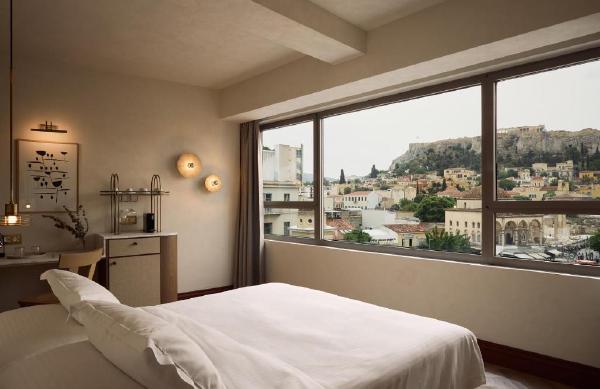
ℹ️ TL;DR: The best boutique hotels in Athens in 2026 range from €90-130/night in shoulder season to €200+ in peak summer. Top picks: AthensWas Design Hotel (Makrigianni, direct Acropolis views), A for Athens (Monastiraki, rooftop bar with the iconic view), Ergon House (Monastiraki, food-forward hotel with market below), Perianth (Monastiraki, design-led). Plaka and Makrigianni have the most charming boutique options. Big chain hotels make practical sense in Athens. Boutique hotels make emotional sense.
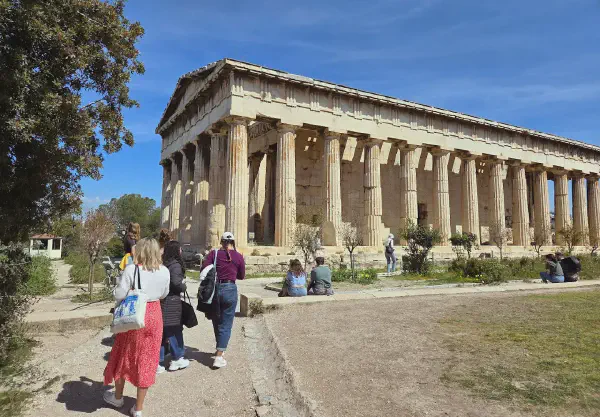
The Ancient Agora is the part of Athens that tends to surprise people. Everyone arrives obsessed with the Acropolis, and fair enough, but the Agora is where the city starts to feel human instead of monumental. This is where Athenians traded, argued, voted, gossiped, worshipped, and tried to invent democracy while wearing sandals.
And unlike some archaeological sites that demand a lot of imagination, this one still gives you real architectural payoff: the Temple of Hephaestus is stunningly intact, the Stoa of Attalos has been reconstructed with unusual confidence, and the museum inside helps the whole place make sense.
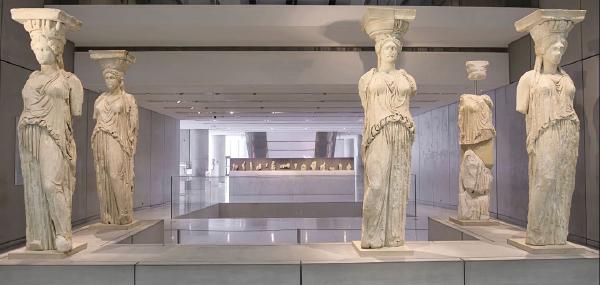
The first time I walked into the Acropolis Museum, I expected the usual museum experience — dimly lit rooms, roped-off displays, lots of squinting at tiny plaques. What I got instead was sunlight pouring through floor-to-ceiling glass, the actual Parthenon framed perfectly through the top-floor windows, and a 2,500-year-old marble girl smiling at me like she knew something I didn’t.
This museum doesn’t feel like a museum. It feels like someone cracked open the Acropolis and let you walk through its history in running shoes and air conditioning.