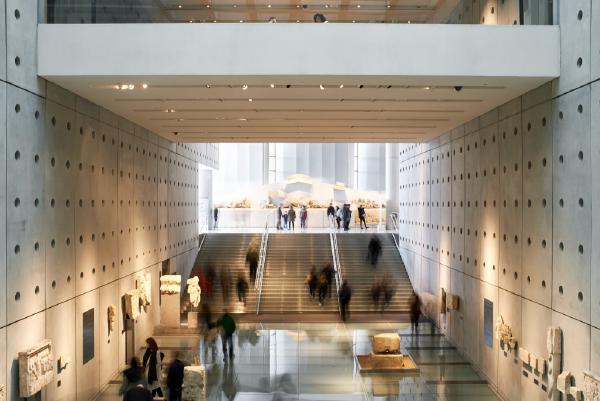
ℹ️ TL;DR: The two essential Athens museums in 2026: the Acropolis Museum (€15, 1.5-2 hours) and the National Archaeological Museum (€12, 2-3 hours) — both genuinely world-class. The Benaki Museum (€12, free Thursdays) is the best third option. There is no single city museum pass — buy individual tickets. Most state museums are free on the first Sunday of each month (November-March). Athens has over 80 museums. Nobody has time for 80 museums. The good news is that about a dozen of them are genuinely excellent, and the rest range from “interesting if you’re into this specific thing” to “why does this exist.”
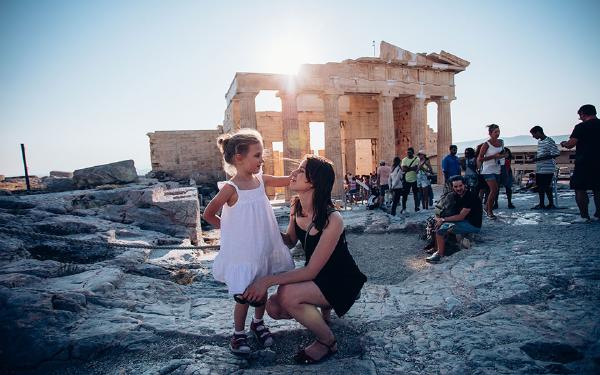
ℹ️ TL;DR: Athens is genuinely great for families in 2026 — the Acropolis (€30 combo ticket) becomes a mythology adventure with the right guide, the Acropolis Museum (€15, free for under-18s) has elevators and engaging exhibits, and Athenian Riviera beaches are a 30-minute tram ride away. Beat the heat with the golden rule: ancient sites at 8 AM, museums at midday, beach in the afternoon. When I first mentioned taking kids to Athens, a friend looked at me like I’d suggested bringing toddlers to a construction site. “Isn’t it just ruins and hills? In the heat? With no playgrounds?”
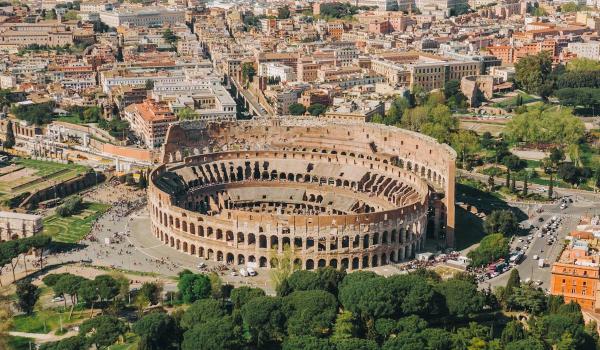
ℹ️ TL;DR: Athens vs Rome in 2026: Athens wins on budget (30-40% cheaper), beaches (35 min by tram), and fewer crowds. Rome wins on breadth of historical layers and international food reputation. Both are extraordinary. Athens is better if you’re on a budget or want Greek history and islands. Rome is better if you want a broader Mediterranean cultural sweep. Both cities in one trip (2 hours by plane) is very doable. I’ve spent a lot of time in both Athens and Rome. I love both cities. And I’m going to be honest with you upfront: there’s no wrong answer here. Both are extraordinary places with thousands of years of history, incredible food, and the kind of atmosphere you can’t find anywhere else.
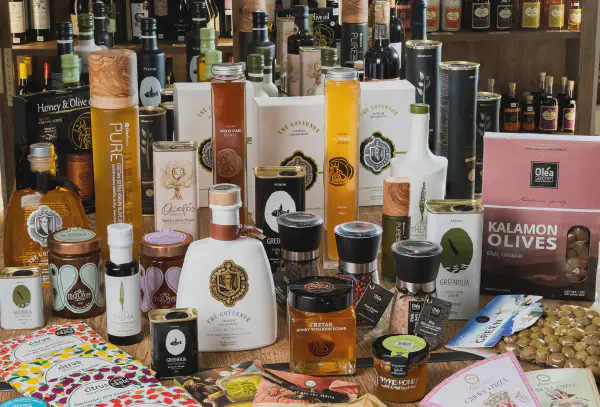
ℹ️ TL;DR: The best things to buy in Athens in 2026: extra virgin olive oil from the Central Market (€15-25 a bottle, dramatically better than exported versions), handmade leather sandals from Plaka workshops (€40-80), Greek spices and herbs, and natural cosmetics with mastiha and olive oil. Monastiraki Flea Market is best on Sundays for antiques and vintage. Avoid mass-produced souvenirs on Adrianou Street. I’m going to be honest: a lot of souvenirs in Athens are junk. Mass-produced “Greek” magnets made in China, €2 keychains that break in your suitcase, and olive wood salad servers that look identical in every shop on Adrianou Street. If you’re looking for that stuff, you don’t need a guide.
ℹ️ TL;DR: Athens is one of the safest European tourist cities in 2026 — violent crime against visitors is rare. The main risks: overpriced restaurants on Adrianou Street (walk one block for 30-50% better prices and food), taxi drivers taking long routes (use Bolt or Beat apps instead), and €3-5 friendship bracelet sellers who are persistent. The practical rule: if anyone approaches you aggressively, just walk away. Let me start with the good news: Athens is one of the safest major tourist cities in Europe. Violent crime against visitors is extremely rare. The scam scene here is tame compared to Rome, Paris, or Barcelona. Most visitors come and go without a single problem.
ℹ️ TL;DR: Athens nightlife in 2026 starts late — bars fill from 11 PM, clubs from 1 AM. Best rooftop bars: A for Athens and Couleur Locale (cocktails €12-15). Best neighborhoods: Psyrri for bars and live music, Gazi for clubs. Budget: beer €4-6, cocktails €8-14, club entry free before 1 AM then €10-15. The most important rule: don’t arrive anywhere before midnight. Athens doesn’t really wake up until midnight. That’s not an exaggeration — it’s a scheduling fact. Dinner at 10 PM is normal. Bars fill up around 11. Clubs don’t get going until 1 AM. If you’re standing in Psyrri at 9 PM wondering where everyone is, they’re still eating. Come back at midnight and those same streets will be packed.
ℹ️ TL;DR: Athens in winter 2026 is genuinely excellent — the Acropolis with 20 people instead of 2,000, hotel prices 30-50% lower, and mild weather (12-15°C during the day, occasional rain). Museums are uncrowded. The city’s cafe and nightlife culture runs year-round. Snow in the city is extremely rare. Winter is Athens’ best-kept secret for savvy travelers. Everyone visits Athens in summer. The Acropolis is packed, the marble is scorching, restaurant lines stretch down the street, and the heat is the kind that makes you reconsider your life choices around 2 PM.
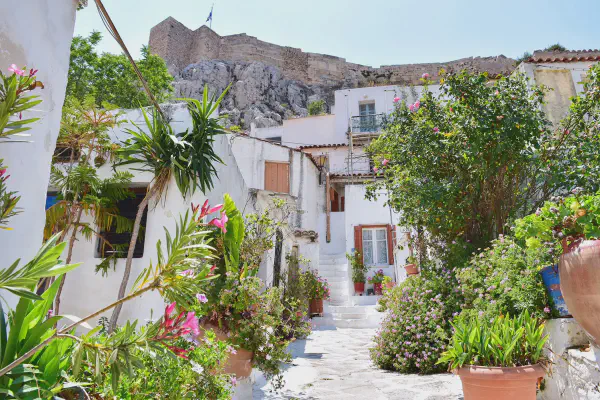
ℹ️ TL;DR: Athens’ best hidden gems in 2026: Anafiotika (a Cycladic island village built into the Acropolis slope — most visitors walk right past it), Areopagus Hill (free, dramatic Parthenon views, 5 minutes from the Acropolis), Philopappos Hill (free sunset viewpoint with fewer crowds than Lycabettus), and the neighborhoods of Koukaki, Pangrati, and Thissio where Athenians actually live. I love the Acropolis. Everyone should see it. But the Athens that made me fall in love with the city? That happened in a tiny bar behind a bookshelf door, on a rooftop nobody talks about, in a neighborhood with no TripAdvisor reviews, eating food at a place with no English menu.
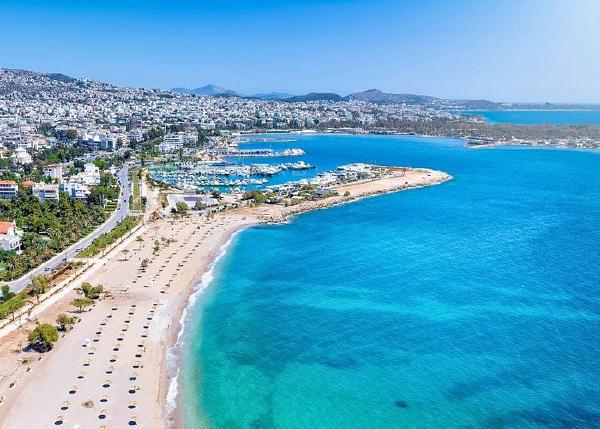
ℹ️ TL;DR: Athens has 30+ beaches on the Athenian Riviera in 2026, all reachable without a car. Closest: Glyfada (35 min by tram from Syntagma, organized beach from €5) and Voula (40 min, €5 entry). Best water: Vouliagmeni (45 min by bus, free or €6) and Limanakia (free, crystal-clear rocky coves). Lake Vouliagmeni stays warm at 22-25°C year-round — Athens’ only winter swimming spot. Here’s something most Athens guidebooks don’t emphasize enough: the city has a coastline. Not a “there’s a grey industrial port somewhere nearby” coastline — an actual riviera with clear blue water, sandy beaches, seaside restaurants, and sunset views that belong on a postcard.
ℹ️ TL;DR: Five days is the ideal amount of time in Athens in 2026. Day 1: Acropolis (€30 combo ticket for 7 sites) + Ancient Agora + Plaka. Day 2: neighborhoods, markets, and museums. Day 3: Peloponnese day trip (Mycenae + Nafplio). Day 4: island escape (Hydra or Aegina ferry). Day 5: markets, rooftops, and final meals. Budget €80-130/day for a comfortable trip. Five days is the magic number for Athens. Three days covers the essentials. One week and you start running out of must-sees. But five days? You get the ancient sites, the neighborhoods, the food scene, and two day trips that show you why Greece is so much more than just Athens.
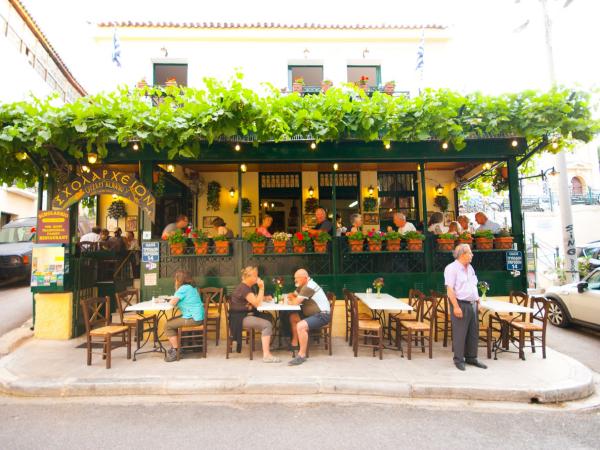
ℹ️ TL;DR: In 2026, eat like an Athenian by heading to Koukaki or Psyrri for authentic tavernas (€15-25/person with wine), Monastiraki for souvlaki (€3.50), and Kolonaki for upscale dining. Avoid the main tourist strip in Plaka — prices double, quality halves. Greeks eat dinner at 9-10 PM; arriving at 7 PM means empty restaurants and tourist-mode service. Athens ruined restaurant dining for me in the best possible way. After eating here — actually here, in the neighborhoods where Athenians eat, not the tourist strips — I find it hard to be impressed by Greek restaurants anywhere else. The ingredients are better, the prices are lower, and the experience of sharing a dozen meze plates with friends at 10 PM on a warm evening is just… hard to replicate.
ℹ️ TL;DR: The most important item to pack for Athens in 2026 is rubber-soled walking shoes with grip — the Acropolis marble is genuinely slippery and people fall daily. Also essential: high-SPF sunscreen (the Aegean sun is intense), a light scarf for church visits, and a crossbody bag for the metro. In summer: linen and cotton. In winter: layers — Athens can hit 10°C in January with rain. I learned what to pack for Athens the hard way — specifically, by wearing brand-new leather sandals to the Acropolis on a 37°C day. By noon I had blisters on both feet and was sliding around on marble like a newborn deer. Don’t be me.