The Ancient Agora is the part of Athens that tends to surprise people. Everyone arrives obsessed with the Acropolis, and fair enough, but the Agora is where the city starts to feel human instead of monumental. This is where Athenians traded, argued, voted, gossiped, worshipped, and tried to invent democracy while wearing sandals.
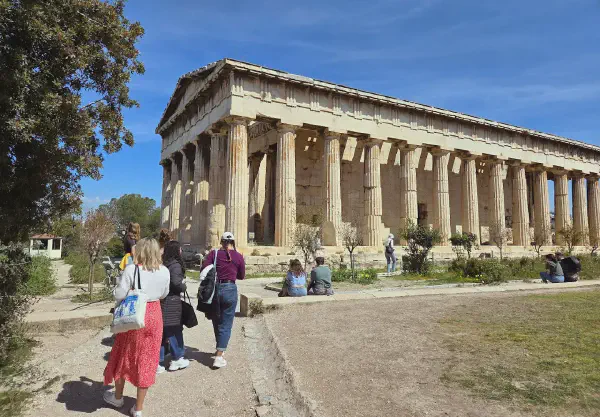
And unlike some archaeological sites that demand a lot of imagination, this one still gives you real architectural payoff: the Temple of Hephaestus is stunningly intact, the Stoa of Attalos has been reconstructed with unusual confidence, and the museum inside helps the whole place make sense.
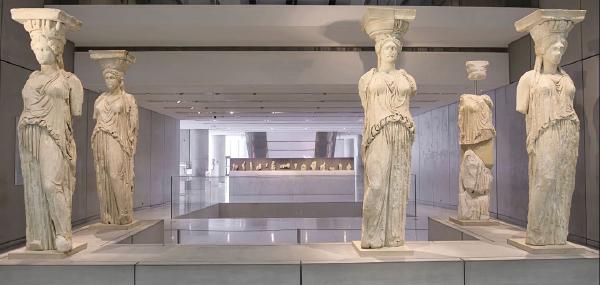
The first time I walked into the Acropolis Museum, I expected the usual museum experience — dimly lit rooms, roped-off displays, lots of squinting at tiny plaques. What I got instead was sunlight pouring through floor-to-ceiling glass, the actual Parthenon framed perfectly through the top-floor windows, and a 2,500-year-old marble girl smiling at me like she knew something I didn’t.
This museum doesn’t feel like a museum. It feels like someone cracked open the Acropolis and let you walk through its history in running shoes and air conditioning.
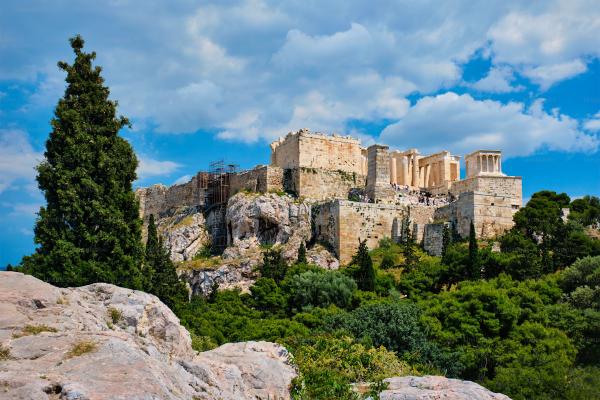
Let me be straight with you: the Acropolis ticket line in July can make you question every life choice that brought you to Athens at 11 AM without a plan. I’ve seen tourists wait over an hour in the sun only to walk in completely exhausted before they even started exploring.
A skip-the-line ticket fixes that. A good guided tour makes the whole thing actually memorable instead of just “we looked at some old columns.”