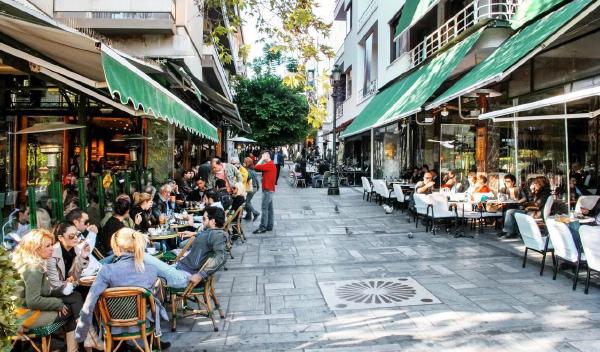
ℹ️ TL;DR: Kolonaki is Athens’ upscale neighborhood in 2026 — shaded cafe squares, boutique shopping, world-class museums (Benaki Museum, Museum of Cycladic Art), and the cable car up Lycabettus Hill. It’s pricier than other neighborhoods (€€€ for most things) but more affordable than comparable upscale districts in Western Europe. Excellent for a half-day or full day even if you’re based elsewhere in Athens. Kolonaki is the part of Athens that tends to win people over slowly.
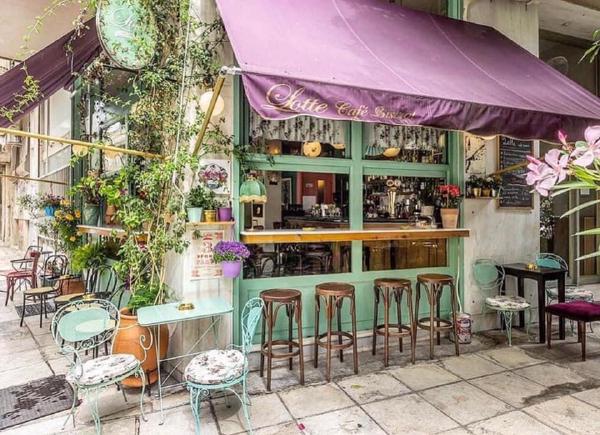
ℹ️ TL;DR: Athens has a thriving brunch scene in 2026 at genuinely good prices — €10-18/person for a full brunch spread (much cheaper than London or New York). Best neighborhoods: Koukaki (Lotte Cafe-Bistro), Monastiraki (Tailor Made), Kolonaki (Nice n Easy). Weekend brunch runs 9 AM to 4-5 PM. Pair food with a freddo cappuccino — the quintessential Athens coffee order. Here’s what nobody told me before my first Athens trip: this city didn’t really do brunch five years ago. Weekends meant a freddo cappuccino and maybe a koulouri from a street cart. Then something shifted — a wave of Melbourne-inspired cafes, a couple of New York expats, and a generation of Athenians who decided that eggs Benedict and a €6 bloody mary on a Sunday sounds pretty excellent.
ℹ️ TL;DR: Athens has one of Europe’s best cafe cultures in 2026. The signature drink: freddo cappuccino (cold espresso with thick cold foam, €3.50-5) — order one on Day 1. Traditional Greek coffee (ellinikos) is strong, served with grounds, and costs €2-3. Greek cafe culture means sitting for 2-4 hours on one order is completely normal. The best third-wave coffee shops are in Psyrri, Koukaki, and Monastiraki. I’ll say this upfront: Greeks don’t just drink coffee. They live coffee. My first week in Athens I sat down at a cafe around noon, ordered a freddo cappuccino, and fully intended to leave after twenty minutes. I left at 4 PM. Nobody batted an eye. Nobody brought me a check. I’d accidentally discovered the entire point of Greek cafe culture — there is no rush, and that’s by design.