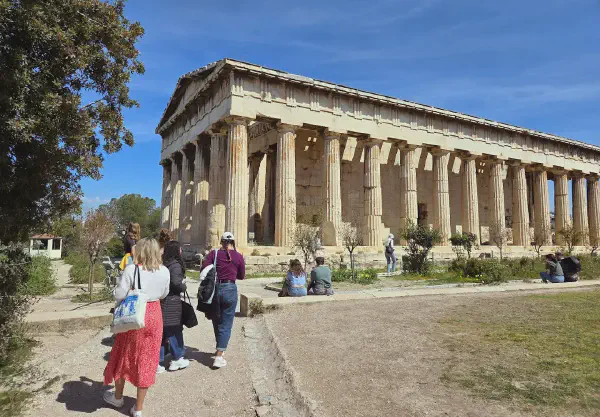
The Ancient Agora is the part of Athens that tends to surprise people. Everyone arrives obsessed with the Acropolis, and fair enough, but the Agora is where the city starts to feel human instead of monumental. This is where Athenians traded, argued, voted, gossiped, worshipped, and tried to invent democracy while wearing sandals.
And unlike some archaeological sites that demand a lot of imagination, this one still gives you real architectural payoff: the Temple of Hephaestus is stunningly intact, the Stoa of Attalos has been reconstructed with unusual confidence, and the museum inside helps the whole place make sense.
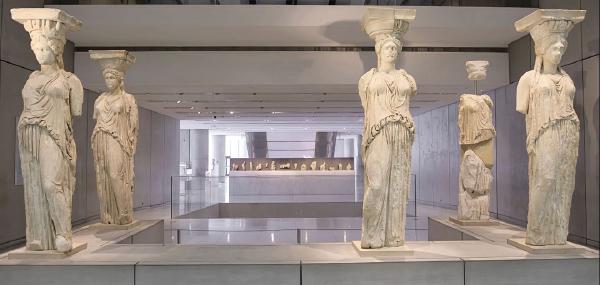
The first time I walked into the Acropolis Museum, I expected the usual museum experience, dimly lit rooms, roped-off displays, lots of squinting at tiny plaques. What I got instead was sunlight pouring through floor-to-ceiling glass, the actual Parthenon framed perfectly through the top-floor windows, and a 2,500-year-old marble girl smiling at me like she knew something I didn’t.
This museum doesn’t feel like a museum. It feels like someone cracked open the Acropolis and let you walk through its history in running shoes and air conditioning.
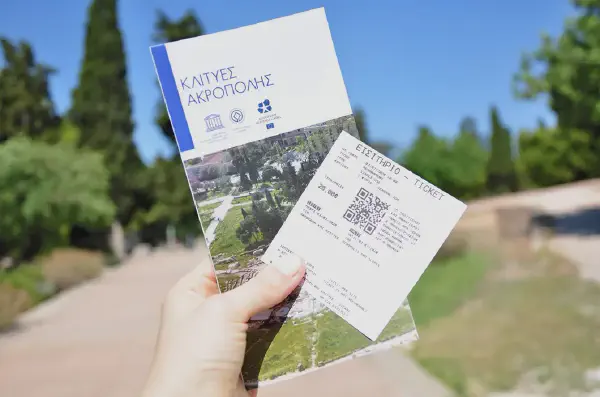
ℹ️ TL;DR: In 2026, an Acropolis ticket costs €30 for adults (€15 reduced) all year round, and timed entry is mandatory. Book online at tickets.hh.gr. The old €30 combo ticket for 7 sites was discontinued, so other sites like the Ancient Agora need separate tickets. Summer hours are 8 AM–8 PM (closing earlier from September); winter hours are 8 AM–5 PM. Arrive at 8 AM sharp to beat crowds and heat. Prices, hours and rules last checked against the official Hellenic Heritage site on November 4, 2026. I’m going to give you the practical, no-fluff version of everything you need to know about visiting the Acropolis, because I’ve made most of the mistakes so you don’t have to. I’ve been there in August heat (brutal), in January drizzle (slippery), and at 8 AM on a Tuesday in April (perfect). Here’s what I’ve learned.